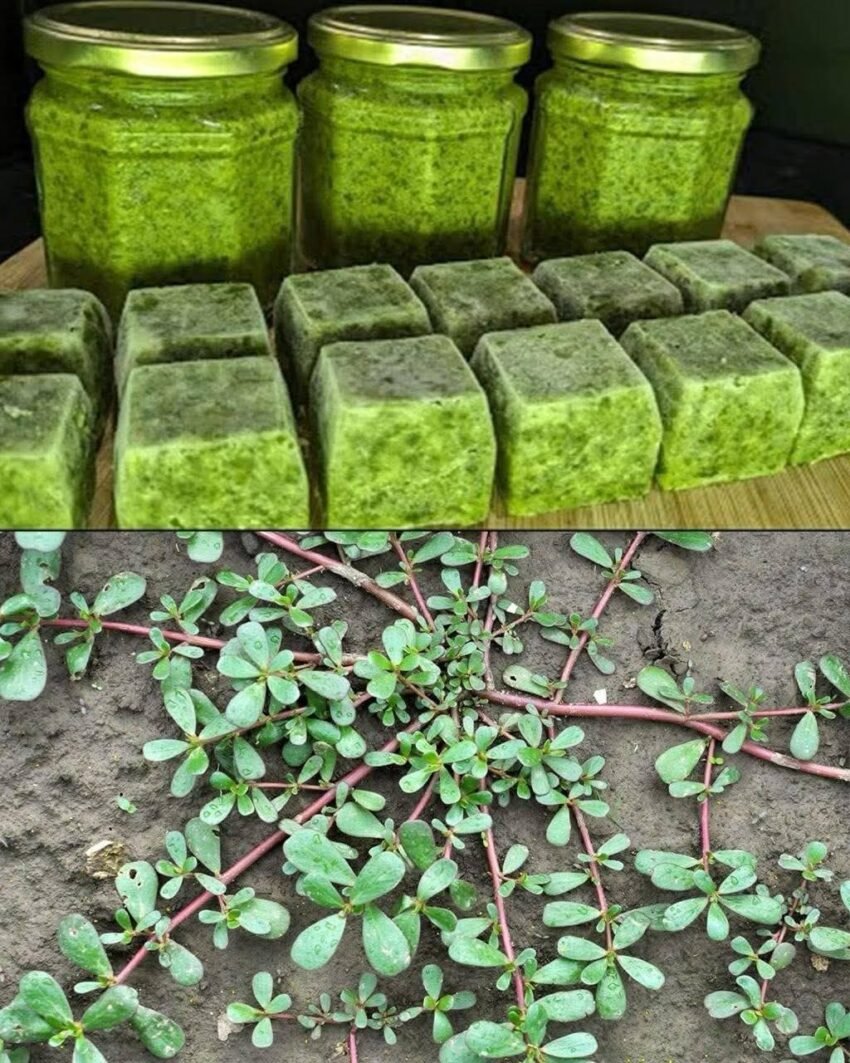
Purslane is a seriously underrated little plant 🌿—and eating it daily can be especially interesting (and helpful) after 60. Here’s what actually happens in your body, broken down in plain English.
🌱 First, what makes purslane special?
Purslane is one of the richest plant sources of omega-3 fatty acids (yes, from a leafy green!), plus it’s packed with:
- Magnesium
- Potassium
- Calcium
- Vitamin A, C, and E
- Antioxidants (betalains, flavonoids)
- Fiber
That combo matters more as we age.
❤️ Heart & Circulation: A Big Win After 60
Eating purslane regularly may:
- Help lower triglycerides
- Support healthy blood pressure
- Reduce inflammation in blood vessels
Omega-3s + potassium = better circulation and heart protection, which becomes more important as arteries naturally stiffen with age.
🧠 Brain & Memory Support
After 60, the brain benefits from:
- Omega-3s → support memory and cognitive function
- Antioxidants → protect brain cells from oxidative stress
People who eat omega-3-rich foods regularly tend to maintain sharper thinking longer. Purslane won’t replace fish entirely—but it does contribute.
🦴 Bones & Muscles
Purslane contains magnesium, calcium, and potassium, which help:
- Maintain bone density
- Reduce muscle cramps
- Support balance and strength
That’s especially helpful if you’re trying to stay active and prevent falls.
🩸 Blood Sugar Balance
Daily purslane may help:
- Improve insulin sensitivity
- Reduce blood sugar spikes after meals
This is useful for people with prediabetes or type 2 diabetes, which becomes more common later in life.
🦠 Gut & Digestion
Thanks to its fiber and mucilage:
- Supports healthy digestion
- Feeds good gut bacteria
- Can ease mild constipation
Gentle but effective—perfect for aging digestion.
✨ Skin, Eyes & Aging
Those vitamins A, C, and E:
- Support eye health
- Protect skin from dryness and thinning
- Help fight cellular aging
Some people notice better skin hydration when they eat it regularly.
⚠️ One Important Caution (Don’t Skip This)
Purslane is high in oxalates. If you:
- Have kidney stones
- Have kidney disease
👉 Eat it cooked (boiled and drained) and not every single day—or check with your doctor.
🥗 Best Ways to Eat It Daily
- Lightly sautéed with garlic and olive oil
- Added to soups or stews
- Mixed into eggs or omelets
- Chopped into yogurt or labneh (Mediterranean style)
Cooking reduces oxalates and makes minerals easier to absorb.
🌿 Bottom line
Eating purslane regularly after 60 can support heart health, brain function, bones, digestion, and healthy aging—as long as it’s prepared wisely and eaten in moderation.
If you want, tell me:
- Are you eating it raw or cooked?
- Any health conditions I should factor in?
I can tailor it exactly to you 😊
