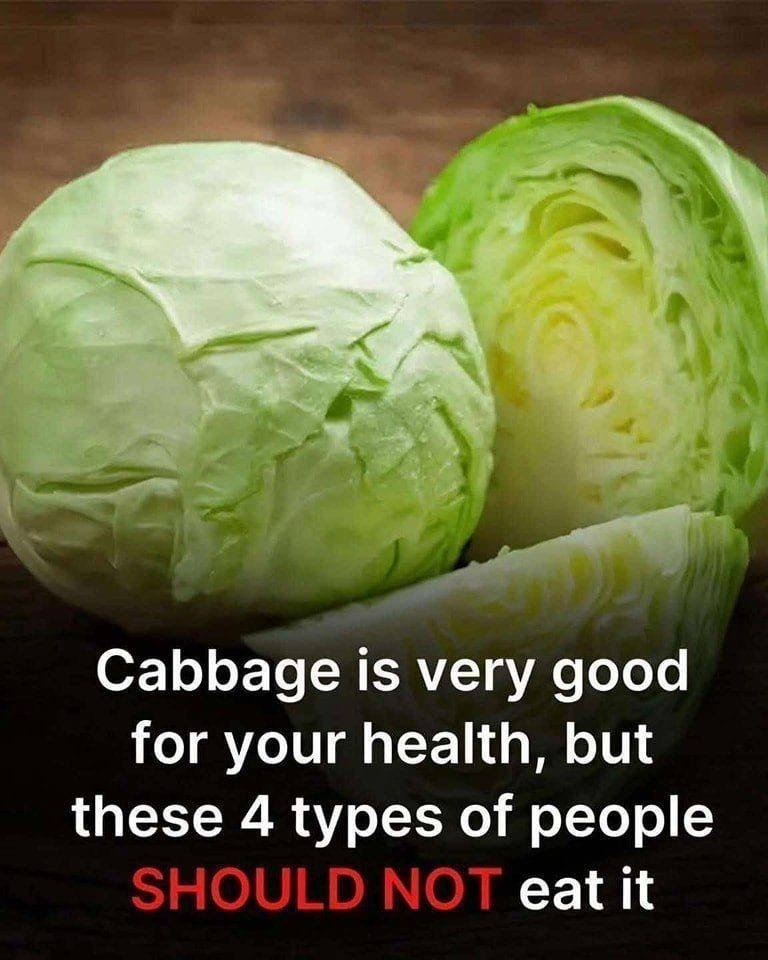
Here’s a comprehensive article on four types of people who should avoid eating cabbage, including reasons and explanations:
4 Types of People Who Should Avoid Eating Cabbage
Cabbage is widely regarded as a superfood due to its high content of vitamins, minerals, antioxidants, and dietary fiber. It can support digestion, improve immunity, and even reduce inflammation. However, despite its many benefits, cabbage is not suitable for everyone. Certain individuals may experience discomfort, adverse reactions, or health complications from consuming cabbage regularly.
Here are four types of people who should avoid or limit cabbage consumption:
1. People with Thyroid Problems
Cabbage belongs to the cruciferous vegetable family, which also includes broccoli, kale, and Brussels sprouts. These vegetables contain goitrogens, compounds that can interfere with iodine uptake in the thyroid gland. This may lead to impaired thyroid hormone production, especially in individuals with hypothyroidism (underactive thyroid).
Why it matters:
- Consuming raw cabbage in large amounts can worsen thyroid dysfunction.
- Cooking cabbage reduces goitrogenic activity, but those with thyroid conditions should still monitor intake.
Recommendation: If you have thyroid issues, enjoy cabbage in moderation and preferably cooked, rather than raw.
2. People with Digestive Disorders
Cabbage is high in fiber and contains complex sugars called raffinose that are difficult for some people to digest. This can lead to gas, bloating, and abdominal discomfort.
Who is affected:
- People with irritable bowel syndrome (IBS) may find cabbage triggers symptoms such as diarrhea, constipation, or cramping.
- Those with chronic gastritis or sensitive stomachs might experience increased acidity and discomfort.
Tip: Consider limiting raw cabbage or opting for fermented cabbage (like sauerkraut) in small amounts, as it may be easier to digest.
3. People on Blood-Thinning Medications
Cabbage is a rich source of vitamin K, which plays a critical role in blood clotting. While this is healthy for most people, it can interfere with blood-thinning medications such as warfarin.
Why it matters:
- Sudden increases in vitamin K intake can reduce the effectiveness of anticoagulants, increasing the risk of clotting.
- Conversely, inconsistent consumption of cabbage can make medication dosing unpredictable.
Advice: Those on blood-thinning therapy should monitor vitamin K intake carefully and consult their doctor before increasing cabbage in their diet.
4. People Prone to Kidney Stones
Cabbage contains oxalates, naturally occurring compounds that can bind with calcium to form kidney stones in susceptible individuals.
Who should be cautious:
- People with a history of calcium oxalate kidney stones.
- Individuals at risk of chronic kidney disease who need to limit oxalate intake.
Recommendation: Limit cabbage and other high-oxalate foods, and maintain proper hydration to reduce the risk of stone formation.
Conclusion
Cabbage is a nutritious vegetable with many health benefits, but it’s not suitable for everyone. People with thyroid problems, digestive disorders, those on blood-thinning medications, and individuals prone to kidney stones should avoid or carefully monitor cabbage consumption.
As with any food, moderation and personal awareness of your body’s response are key. If you fall into any of the categories above, consult a healthcare professional for tailored dietary advice before making cabbage a regular part of your diet.
If you want, I can also create a more detailed version with tips on safe cabbage alternatives for each of these four groups. This would make it almost like a guide for sensitive eaters.
Do you want me to do that?
