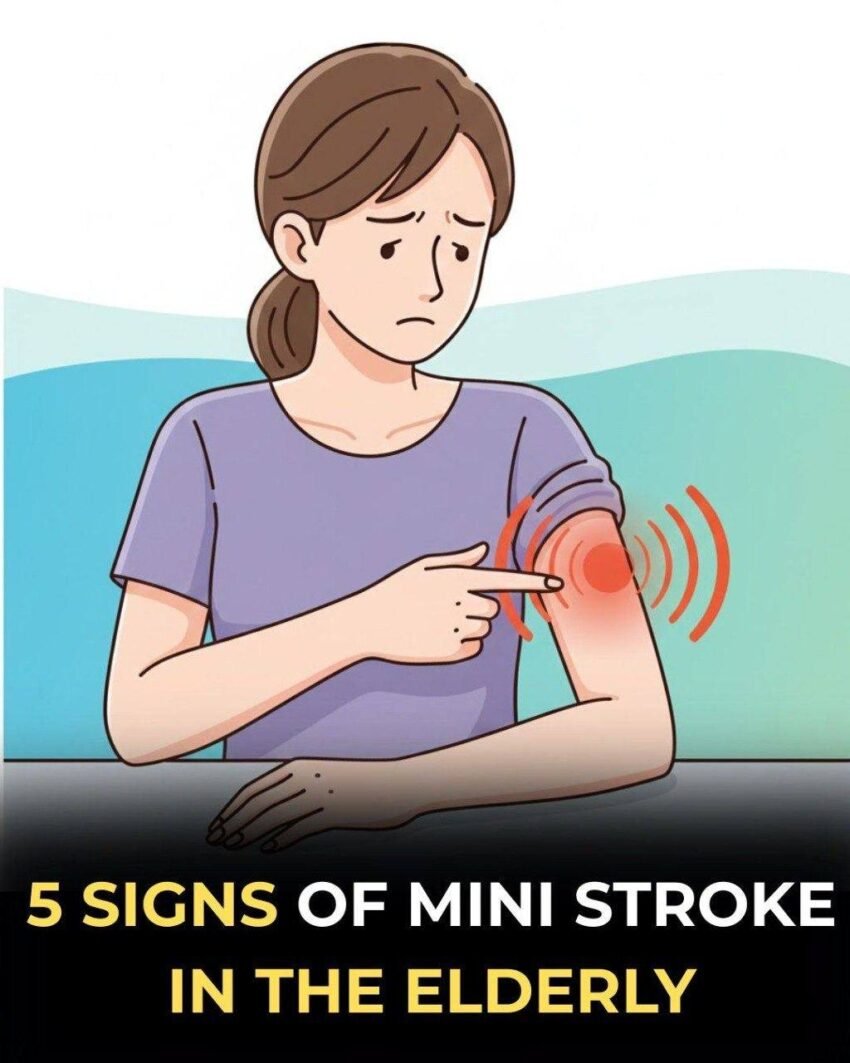
5 Signs of a Mini Stroke in the Elderly (TIA) – Full Guide
A mini stroke, medically known as a Transient Ischemic Attack (TIA), is a temporary blockage of blood flow to the brain. Unlike a major stroke, symptoms usually disappear within minutes to hours and do not cause permanent damage. However, a TIA is a serious warning sign — it often occurs days or weeks before a full stroke.
According to the American Stroke Association, nearly 1 in 3 people who experience a TIA will eventually have a stroke — many within the first year.
Early recognition is especially important in elderly individuals, as stroke risk increases with age.
1. Sudden Weakness or Numbness on One Side of the Body
One of the most common signs of a mini stroke is:
- Sudden numbness in the face, arm, or leg
- Weakness affecting one side of the body
- Drooping on one side of the face
An elderly person may suddenly struggle to lift one arm or may appear to have uneven facial expressions. This symptom usually comes on without warning.
⚠️ Even if the weakness goes away after a few minutes, it should never be ignored.
2. Slurred or Confused Speech
A mini stroke can affect the part of the brain responsible for speech and communication.
Warning signs include:
- Slurred speech
- Difficulty forming words
- Speaking in short or unclear sentences
- Trouble understanding others
Family members often notice the change before the individual does.
3. Sudden Vision Problems
Vision disturbances are another key sign. An elderly person may experience:
- Blurred vision
- Double vision
- Sudden loss of vision in one eye
- Darkness or “curtain-like” shadow over vision
These symptoms may last only a few minutes but signal reduced blood flow to areas of the brain controlling vision.
4. Dizziness or Loss of Balance
A mini stroke may disrupt coordination and balance, causing:
- Sudden dizziness
- Difficulty walking
- Loss of coordination
- Feeling like the room is spinning
In seniors, this is sometimes mistaken for vertigo or general weakness — but if it appears suddenly, it may be neurological.
5. Sudden Severe Headache
Though less common in TIAs than full strokes, some elderly individuals experience:
- A sudden, intense headache
- Head pain unlike anything experienced before
If a headache is abrupt and severe — especially with other symptoms — it requires immediate medical attention.
The FAST Method: Quick Stroke Check
Healthcare professionals use the FAST acronym:
- F – Face drooping
- A – Arm weakness
- S – Speech difficulty
- T – Time to call emergency services
Even if symptoms disappear, emergency evaluation is critical.
Why Mini Strokes Are Dangerous in the Elderly
Risk factors increase with age, including:
- High blood pressure
- Diabetes
- Heart disease
- High cholesterol
- Atrial fibrillation
- Smoking
A TIA is often a warning sign that a major stroke may occur soon — sometimes within 48 hours.
What To Do If You Suspect a Mini Stroke
- Call emergency services immediately.
- Do not wait for symptoms to improve.
- Note the time symptoms started.
- Seek hospital evaluation even if symptoms stop.
Doctors may order brain imaging, blood tests, and heart monitoring to determine the cause and prevent a future stroke.
Prevention Tips for Seniors
- Control blood pressure
- Manage diabetes
- Take prescribed medications
- Maintain a healthy diet
- Exercise regularly
- Avoid smoking
- Attend regular medical checkups
Final Thoughts
A mini stroke is not “mini” in importance. It is a medical emergency and a warning sign. Recognizing the symptoms early can prevent permanent brain damage or even save a life.
If you notice any sudden neurological changes in an elderly loved one — even if they last only minutes — seek immediate medical attention.
If you’d like, I can also provide:
- A version optimized for a health blog
- A simplified version for caregivers
- SEO-optimized article format
- Social media caption version
- Printable awareness flyer format
