7 Powerful Blood-Thinning Foods You Need to Know About
Blood thinning refers to the process of preventing blood clots from forming too easily, which can reduce the risk of heart disease, stroke, and deep vein thrombosis (DVT). While blood-thinning medications, such as aspirin and warfarin, are commonly prescribed to individuals at risk, certain foods also have natural blood-thinning properties. These foods can be added to your diet to help improve circulation and reduce the likelihood of dangerous blood clots forming.
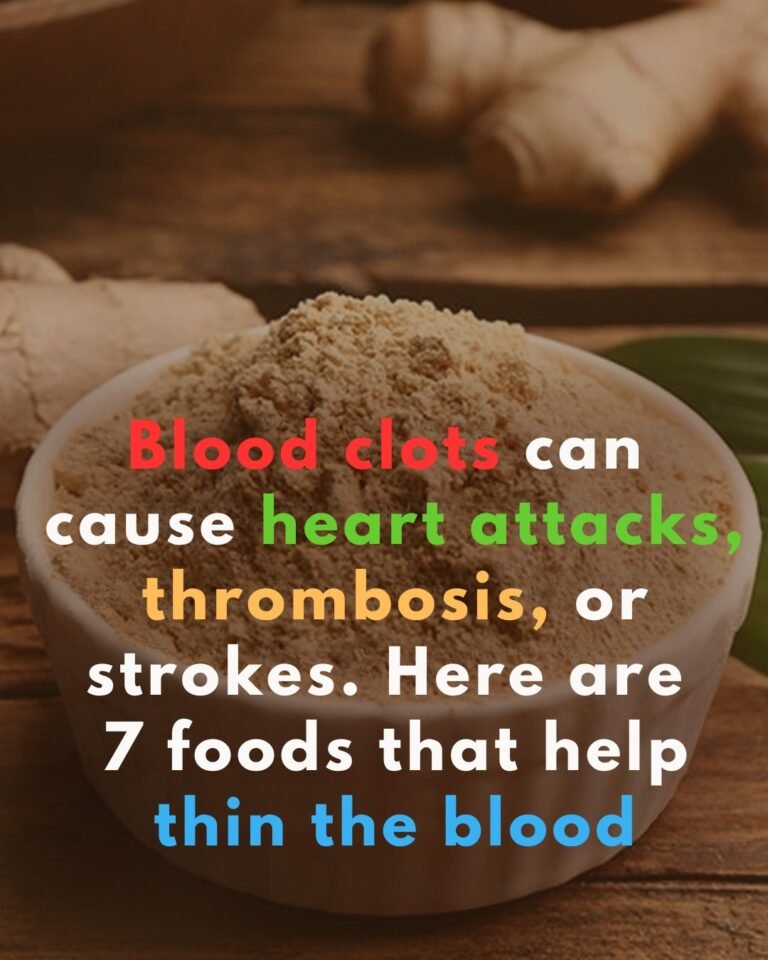
Here are seven powerful blood-thinning foods that you should know about:
1. Garlic
How it Helps:
Garlic is widely regarded as one of the most effective natural blood thinners. It contains allicin, a sulfur compound that not only has powerful antibacterial and antiviral properties but also helps in thinning the blood. Garlic has been shown to inhibit platelet aggregation (the process by which platelets in the blood clump together to form clots). This makes it a useful food for improving blood circulation and reducing clot risk.
Additional Benefits:
- Helps reduce blood pressure, which further supports heart health.
- Rich in antioxidants, which may reduce inflammation in the body.
How to Use:
You can consume raw garlic by adding it to salads, smoothies, or cooking dishes. However, raw garlic provides the most potent blood-thinning effects. If you don’t like the taste, garlic supplements are available as an alternative.
2. Ginger
How it Helps:
Ginger has been used for centuries for its medicinal properties, including its ability to thin the blood. Gingerol, a bioactive compound found in ginger, helps to inhibit the activity of thromboxane, a substance that promotes blood clotting. Ginger may also help reduce platelet aggregation, thus preventing the formation of blood clots.
Additional Benefits:
- Acts as a natural anti-inflammatory.
- May help with digestive issues and nausea.
How to Use:
You can add fresh ginger to smoothies, teas, or juices. Alternatively, ginger can be used in cooking or as a garnish. Fresh ginger is the most effective form, but powdered ginger also retains some of its beneficial properties.
3. Turmeric
How it Helps:
Turmeric contains curcumin, a potent antioxidant and anti-inflammatory compound that also has blood-thinning effects. Curcumin helps prevent platelet aggregation and reduces clotting by inhibiting certain clotting factors in the blood. It also promotes healthy circulation, which reduces the risk of clots.
Additional Benefits:
- Reduces inflammation in the body, which may lower the risk of chronic diseases.
- Supports joint health and digestive function.
How to Use:
You can add turmeric to curries, soups, and stews, or drink it in golden milk (turmeric mixed with warm milk or a plant-based alternative). It’s also available in supplement form, but combining it with black pepper helps increase curcumin absorption.
4. Cayenne Pepper
How it Helps:
Cayenne pepper contains capsaicin, which is known for its ability to improve blood circulation and reduce the risk of clot formation. Capsaicin works by stimulating blood flow and dilating blood vessels, which can prevent clots from forming and improve overall cardiovascular health.
Additional Benefits:
- Boosts metabolism and aids in weight loss.
- Reduces pain and inflammation due to its anti-inflammatory properties.
How to Use:
You can sprinkle cayenne pepper onto your meals or drink it in a spicy tea. A common recipe is to mix cayenne pepper with lemon juice and warm water for a morning health boost.
5. Berries (Strawberries, Blueberries, Raspberries)
How they Help:
Berries are rich in flavonoids, particularly anthocyanins, which have been shown to reduce the risk of blood clots. These antioxidants help relax blood vessels, reduce platelet aggregation, and improve overall blood circulation. Additionally, berries are packed with Vitamin C, which supports the immune system and strengthens blood vessels.
Additional Benefits:
- High in antioxidants, which help combat oxidative stress and inflammation.
- Promote heart health by reducing cholesterol levels and blood pressure.
How to Use:
Add fresh or frozen berries to your breakfast, smoothies, yogurt, or salads. Eating a variety of berries, including blueberries, strawberries, raspberries, and blackberries, ensures a broad spectrum of health benefits.
6. Olive Oil
How it Helps:
Olive oil is a cornerstone of the Mediterranean diet, and its health benefits are well-documented. Olive oil is rich in monounsaturated fats, which help reduce inflammation and improve circulation. It also contains oleocanthal, a compound that mimics the effects of nonsteroidal anti-inflammatory drugs (NSAIDs) by reducing platelet aggregation.
Additional Benefits:
- Supports heart health by reducing bad cholesterol (LDL) levels and increasing good cholesterol (HDL).
- Contains antioxidants that protect cells from oxidative damage.
How to Use:
Use extra virgin olive oil as a salad dressing or drizzle it over cooked vegetables, pasta, or grains. It’s a versatile oil that enhances the flavor of various dishes while offering health benefits.
7. Green Tea
How it Helps:
Green tea is rich in catechins, particularly epigallocatechin gallate (EGCG), which has strong antioxidant and anti-inflammatory properties. Studies have shown that green tea can help reduce platelet aggregation, lowering the risk of blood clots. Additionally, green tea helps lower LDL cholesterol levels, further supporting cardiovascular health.
Additional Benefits:
- Boosts metabolism and may assist in weight management.
- Helps regulate blood sugar levels and supports brain function.
How to Use:
Drink 2-3 cups of freshly brewed green tea daily for the best results. You can also find green tea supplements, but drinking the tea itself is often the most effective method for reaping its benefits.
Other Foods That Support Healthy Blood Flow
While the foods listed above are particularly well-known for their blood-thinning properties, there are other foods that also promote healthy circulation and reduce clotting risks:
- Pineapple: Contains bromelain, an enzyme that helps reduce inflammation and blood clot formation.
- Grapes: Rich in resveratrol, which has antioxidant properties that help prevent platelet aggregation and improve blood flow.
- Nuts and Seeds: Rich in healthy fats (such as omega-3 fatty acids), which can reduce inflammation and prevent clots.
- Chia Seeds and Flaxseeds: High in omega-3 fatty acids, which help to prevent clotting and reduce inflammation.
Important Considerations
While these foods can help thin the blood and improve circulation, they should not be used as a replacement for prescribed blood-thinning medications (like warfarin or aspirin) if you have been advised to take them. Always speak to your healthcare provider before making significant changes to your diet, especially if you are on blood thinners or other medications that affect clotting.
Additionally, moderation is key. Eating a wide variety of nutrient-dense foods ensures a balanced diet and maximizes the health benefits of each food.
Conclusion
Including these seven blood-thinning foods in your diet can provide significant cardiovascular benefits, help prevent blood clots, and support overall health. Whether you’re trying to improve circulation, reduce inflammation, or simply enhance your well-being, these foods offer a natural and delicious way to boost heart health.
