Here’s a clear, responsible, full-length health article written in an informative news/medical-education style.
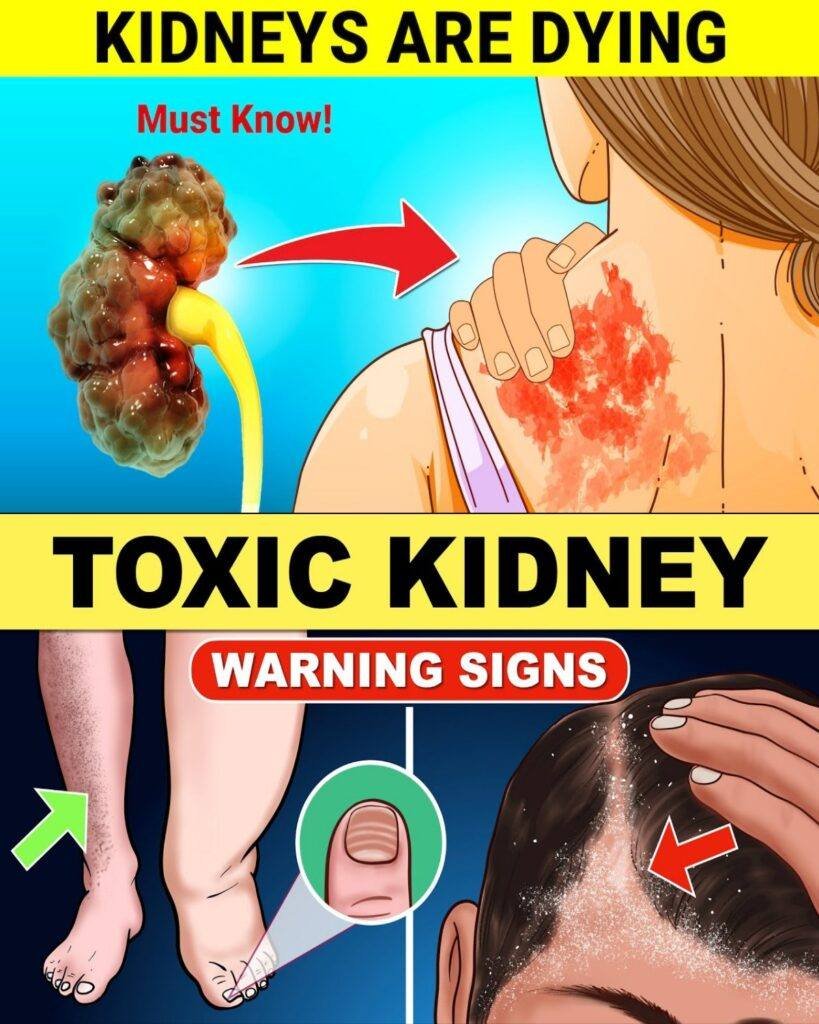
9 Warning Signs Your Kidneys Are Failing | Tests to Avoid Dialysis
Your kidneys quietly work around the clock to filter waste, balance fluids, regulate blood pressure, and support overall health. When they begin to fail, the body often sends warning signals — but many people ignore them until the damage is severe.
Doctors warn that early detection of kidney disease can slow or even prevent progression to dialysis. Recognizing the signs and getting the right tests at the right time can be life-saving.
Below are 9 warning signs of kidney failure and the key medical tests doctors use to help prevent dialysis.
What Is Kidney Failure?
Kidney failure (also called chronic kidney disease, or CKD) occurs when the kidneys gradually lose their ability to filter blood effectively. It often develops silently over months or years.
The most common causes include:
- Diabetes
- High blood pressure
- Long-term medication use (especially painkillers)
- Autoimmune diseases
- Inherited kidney disorders
9 Warning Signs Your Kidneys May Be Failing
1. Persistent Fatigue and Weakness
Failing kidneys allow toxins to build up in the blood, which can cause:
- Constant tiredness
- Brain fog
- Reduced concentration
Kidney disease can also lead to anemia, making fatigue worse.
2. Swelling in Feet, Ankles, Hands, or Face
Healthy kidneys remove excess fluid. When they don’t:
- Fluid builds up in tissues
- Swelling (edema) becomes noticeable, especially in the lower body
Morning facial puffiness is a common early clue.
3. Changes in Urination
Watch for:
- Frequent urination at night
- Very little urine output
- Foamy or bubbly urine (a sign of protein loss)
- Dark, bloody, or cloudy urine
These changes often appear before pain does.
4. Shortness of Breath
Kidney failure can cause breathlessness due to:
- Fluid buildup in the lungs
- Anemia reducing oxygen delivery
This symptom may worsen when lying down.
5. Loss of Appetite, Nausea, or Vomiting
Toxin accumulation in the bloodstream can affect digestion, leading to:
- Nausea
- Metallic taste in the mouth
- Unexplained weight loss
Many people mistake this for stomach problems.
6. Persistent Itching or Dry Skin
Kidneys help balance minerals in the blood. When they fail:
- Phosphorus levels rise
- Skin becomes itchy, dry, or irritated
This itching is often widespread and persistent.
7. Muscle Cramps
Electrolyte imbalances (especially calcium and potassium) can cause:
- Frequent leg cramps
- Muscle twitching
- Restless legs, especially at night
8. Trouble Sleeping
Kidney disease may disrupt sleep due to:
- Toxin buildup
- Muscle cramps
- Restless leg syndrome
- Frequent nighttime urination
Poor sleep further worsens fatigue and health.
9. High Blood Pressure That’s Hard to Control
Kidneys regulate blood pressure — and blood pressure damages kidneys.
Uncontrolled or suddenly worsening hypertension is both:
- A cause of kidney failure
- A sign of kidney damage
Critical Tests That Help Prevent Dialysis
Doctors emphasize that early testing is the most powerful tool to avoid dialysis.
1. Blood Creatinine Test
Measures waste levels in the blood.
High creatinine suggests reduced kidney filtration.
2. eGFR (Estimated Glomerular Filtration Rate)
This is the most important kidney function test.
- Normal: 90 or above
- Below 60 for 3 months or more indicates CKD
- Below 15 may require dialysis
3. Urine Albumin-to-Creatinine Ratio (ACR)
Detects protein leakage in urine.
Protein in urine is often the earliest sign of kidney damage.
4. Urinalysis
Checks for:
- Blood
- Protein
- Infection
- Abnormal particles
Simple, inexpensive, and extremely valuable.
5. Blood Pressure Monitoring
Strict blood pressure control dramatically slows kidney damage.
Home monitoring is often recommended.
6. Blood Sugar Testing
For people with diabetes or prediabetes, glucose control is essential to protect kidneys.
7. Kidney Ultrasound
Imaging helps identify:
- Kidney size changes
- Blockages
- Cysts or structural problems
How Doctors Help Delay or Avoid Dialysis
With early diagnosis, doctors may:
- Control blood pressure aggressively
- Manage blood sugar tightly
- Adjust medications that harm kidneys
- Recommend diet changes (low sodium, controlled protein)
- Treat anemia and mineral imbalances
Many patients never progress to dialysis when kidney disease is caught early.
Who Should Get Tested Regularly
You are at higher risk if you have:
- Diabetes
- High blood pressure
- Heart disease
- Family history of kidney disease
- Long-term painkiller use
- Age over 40
When to See a Doctor Immediately
Seek medical care if you notice:
- Sudden swelling
- Blood in urine
- Sharp decrease in urination
- Severe shortness of breath
Bottom Line
Kidney failure rarely happens overnight. Your body often warns you — quietly but clearly. Paying attention to symptoms and getting routine kidney tests can make the difference between managing the condition and needing dialysis.
Early action saves kidneys — and lives.
If you want, I can:
- Rewrite this into a short viral health article
- Make it SEO-optimized
- Simplify it for general or older readers
- Adapt it for YouTube narration or social media
Just tell me how you plan to use it.
