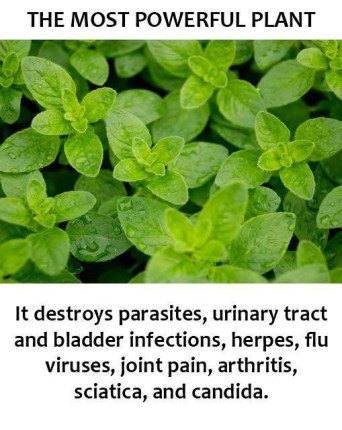
Absolutely! Let’s dive deep into oregano (Origanum vulgare)—why it’s considered one of the most powerful plants in the world, its properties, uses, and scientific backing. I’ll break it down clearly:
1. Botanical Overview
- Scientific name: Origanum vulgare
- Family: Lamiaceae (the mint family)
- Origin: Native to the Mediterranean region, now cultivated worldwide.
- Appearance: Small, aromatic, green leaves; purple or pink flowers.
2. Chemical Composition
Oregano’s power comes from its essential oils and phytochemicals, including:
- Carvacrol: Main active compound; has strong antimicrobial effects.
- Thymol: Antifungal and antibacterial properties.
- Rosmarinic acid: Potent antioxidant and anti-inflammatory.
- Flavonoids: Protect cells from oxidative damage.
- Other compounds: Terpenes, phenols, tannins.
3. Health Benefits
A. Antimicrobial Activity
- Oregano oil can fight bacteria, viruses, and fungi.
- Studies show it’s effective against E. coli, Salmonella, and Candida species.
- Can help prevent foodborne illnesses and infections.
B. Antioxidant Properties
- Rich in phenolic compounds, oregano neutralizes free radicals.
- Helps prevent cellular damage, aging, and chronic diseases like heart disease and cancer.
C. Anti-Inflammatory Effects
- Carvacrol and rosmarinic acid reduce inflammation.
- May help with arthritis, muscle pain, and inflammatory bowel diseases.
D. Respiratory Health
- Traditionally used for coughs, colds, and bronchitis.
- Can loosen mucus and fight respiratory pathogens.
E. Digestive Aid
- Stimulates bile flow, improving digestion.
- Helps combat intestinal parasites and reduces bloating.
F. Potential Anti-Cancer Effects
- Laboratory studies suggest oregano compounds can slow tumor growth and trigger apoptosis (programmed cell death) in cancer cells.
- Research is ongoing, but results are promising.
4. Culinary Uses
- Enhances flavor in Mediterranean and Italian dishes.
- Used fresh or dried in sauces, meats, salads, and pizza.
- Adds health benefits without extra calories.
5. Forms of Oregano
- Fresh leaves – milder flavor, lower concentration of active compounds.
- Dried leaves – stronger, longer-lasting flavor.
- Essential oil – extremely potent; must be diluted before use.
6. Safety and Precautions
- Generally safe in culinary amounts.
- Oregano oil can irritate skin or mucous membranes if undiluted.
- Avoid high doses during pregnancy or breastfeeding unless supervised by a doctor.
- Can interact with blood thinners and diabetes medications.
Summary
Oregano is more than a kitchen herb—it’s a natural antibiotic, antioxidant, and anti-inflammatory agent. Its essential oils, particularly carvacrol, make it a powerful plant with both medicinal and culinary value. Some researchers even call it a “natural superfood” because of its wide-ranging effects on health.
If you want, I can also make a visual chart showing oregano’s benefits, active compounds, and their effects—it’s a really clear way to see why it’s so powerful.
Do you want me to make that chart?
