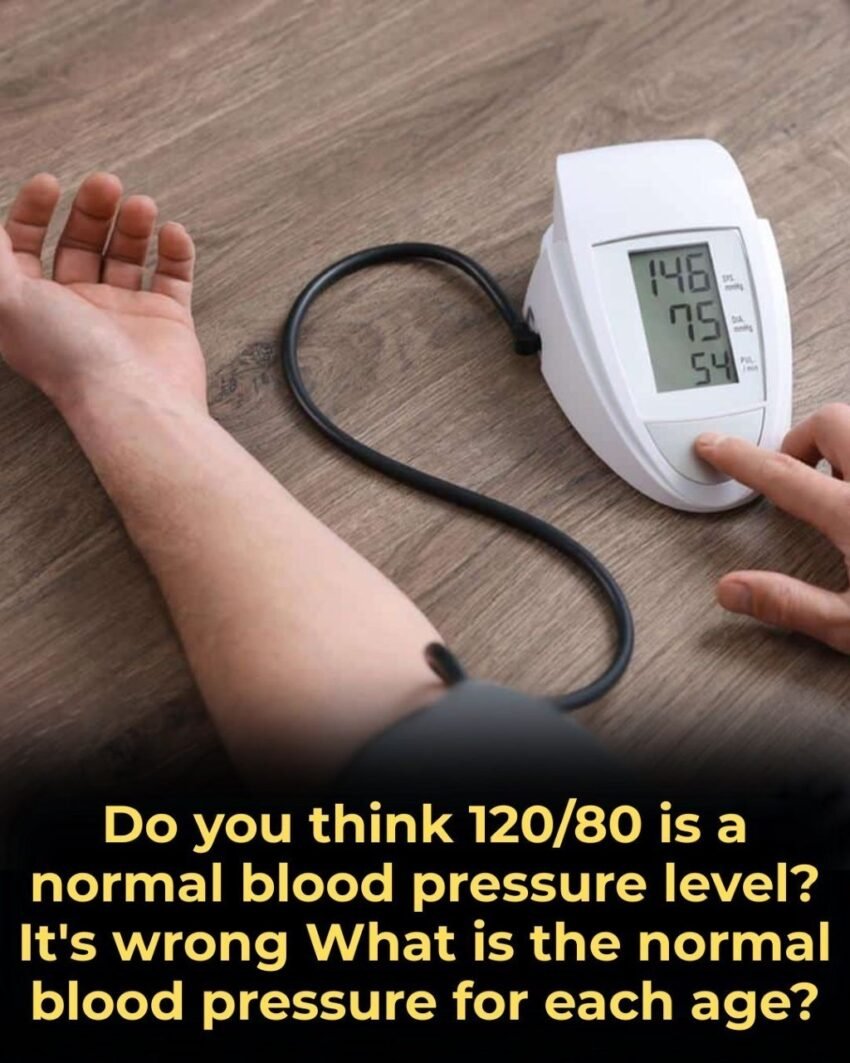
Here’s a well‑structured article‑style explanation of normal blood pressure by age, written clearly and supported by current medical standards.
Understanding Normal Blood Pressure Across Ages
Blood pressure (BP) is a vital sign that reflects the force of blood pushing against the walls of your arteries as your heart pumps. It’s recorded as two numbers — systolic (pressure during heartbeats) and diastolic (pressure between beats), expressed in millimeters of mercury (mmHg).
A “normal” blood pressure varies by age and body development. What’s normal for a child isn’t the same for an adult or older person. This article breaks it down by life stages.
Why Blood Pressure Changes With Age
- Children and teens are growing, with smaller hearts and vessels.
- Adults settle into more stable cardiovascular patterns.
- Older adults may have higher readings due to arteries becoming stiffer with age.
Because of these changes, doctors use age‑specific norms rather than one standard for all ages.
Normal Blood Pressure by Age Groups
🧒 Children (1–12 years)
Children’s blood pressure isn’t static — it rises gradually as they grow. Rather than a single number, clinicians refer to percentile ranges based on height and age.
- Ages 1–5 years: roughly 90–110 / 55–75 mmHg
- Ages 6–12 years: roughly 95–120 / 60–80 mmHg
In pediatric care, “normal” is often defined based on whether values fall below the 90th percentile for their age and height.
👦 Adolescents (13–18 years)
Teen blood pressure begins to resemble adult patterns but is still interpreted relative to age and body size.
- Generally around 110–120 / 65–80 mmHg
- Doctors use percentiles until adulthood to define normal versus elevated or high BP.
👨🦱 Adults (19–39 years)
For most adults without chronic health conditions:
- Normal: <120 / <80 mmHg
- Elevated: Systolic 120–129 & diastolic <80
- Hypertension Stage 1: Systolic 130–139 or diastolic 80–89
This classification is used by major health organizations such as the American Heart Association.
👨🦳 Middle‑Aged Adults (40–59 years)
Normal values remain similar to younger adults, but risk for high blood pressure increases due to lifestyle and aging changes.
- Normal: ~ <120 / <80 mmHg
- Readings between 120–129 systolic are still considered elevated, especially with other risk factors (diabetes, obesity, smoking).
👴 Older Adults (60+ years)
As people age, arteries can stiffen due to years of wear, increasing systolic pressure.
- Normal/acceptable range: roughly 130–140 systolic / 80–90 diastolic
- Doctors may tolerate slightly higher systolic levels if lowering BP is risky (e.g., falls, dizziness).
However, treatment decisions are personalized — not based solely on age.
How Doctors Determine “Normal”
✅ Standard Guidelines
Most age‑based norms come from:
- Large population studies
- Guidelines from heart health organizations
- Pediatric blood pressure percentile charts
📊 Percentiles in Children
Instead of one universal number, pediatric BP is considered normal if it’s below the 90th percentile for age, sex, and height.
💡 Age Isn’t the Only Factor
Other important influences include:
- Body weight
- Physical activity
- Genetics
- Salt intake
- Stress and sleep
- Chronic diseases (e.g., kidney disease, diabetes)
Symptoms of Abnormal Blood Pressure
Most people with high BP have no symptoms, which is why it’s called the “silent killer.” Routine checks are important.
Possible Signs of Very Low BP (Hypotension)
- Dizziness or fainting
- Blurred vision
- Fatigue
Possible Signs of High BP (Hypertension)
- Headaches
- Nosebleeds (uncommon but possible)
- Shortness of breath
(Often no symptoms — requires measurement)
How Often Should You Check?
| Age | Recommended Check Frequency |
|---|---|
| Children | With regular pediatric visits |
| Teenagers | At least once yearly |
| Adults 18–39 | Every 2–3 years if normal |
| Adults 40+ | At least yearly |
If you have risk factors or previous high readings, your doctor may recommend more frequent monitoring.
Takeaway
- Normal blood pressure varies by age, with children’s values rising with growth.
- For adults, <120/80 mmHg is considered ideal.
- Older adults may have slightly higher normal thresholds.
- Always interpret blood pressure in context of individual health and risk factors.
If you want, I can also include a visual chart or printable table you can reference easily — just let me know!
