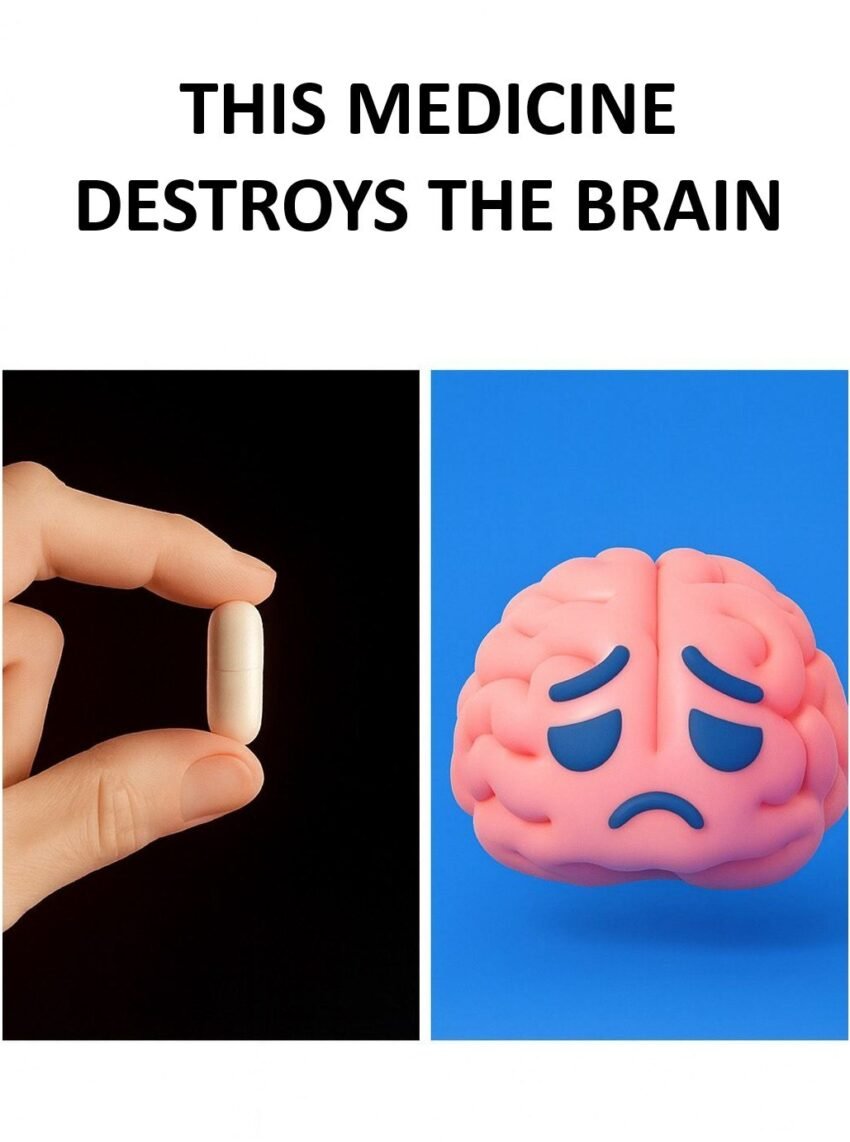
Here’s a research‑based look at medications that have been linked with a higher risk of dementia or worsening cognition, especially with long‑term use in older adults. Important note: association doesn’t prove direct cause, but many doctors monitor these closely because of the evidence. (GoodRx)
🚨 8 Drugs/Drug Classes Linked with Higher Dementia Risk
Remember: These links are mostly seen with long‑term use, higher doses, or in older adults, and do not mean everyone taking them will develop dementia. Always talk to your doctor before stopping any medication. (GoodRx)
1. Anticholinergic Medications
These block a brain neurotransmitter (acetylcholine), which plays a key role in memory and thinking. (GoodRx)
Common examples:
- Antihistamines used for allergies and sleep (like diphenhydramine – Benadryl)
- Tricyclic antidepressants (e.g., amitriptyline, nortriptyline)
- Bladder meds for incontinence (e.g., oxybutynin, tolterodine)
- IBS drugs (e.g., hyoscyamine, dicyclomine) (GoodRx)
Studies show higher cumulative doses of strong anticholinergics are tied to increased dementia risk. (GoodRx)
2. Proton Pump Inhibitors (PPIs)
Medications for acid reflux and heartburn have been associated with higher dementia risk in observational studies, possibly through effects on nutrient absorption or brain protein buildup. (GoodRx)
Common PPIs:
- Omeprazole
- Lansoprazole
- Esomeprazole
- Pantoprazole (GoodRx)
3. Benzodiazepines
Drugs often used for anxiety and insomnia can impair cognition and increase dementia risk when used long‑term. (GoodRx)
Examples:
- Diazepam (Valium)
- Lorazepam (Ativan)
- Alprazolam (Xanax)
- Clonazepam (Klonopin) (GoodRx)
4. Opioid Painkillers
Long‑term use of opioids is linked with cognitive decline and a slightly higher risk of dementia, though it’s hard to separate effects of chronic pain from the meds themselves. (GoodRx)
Examples:
- Morphine
- Hydrocodone
- Hydromorphone
- Fentanyl (GoodRx)
5. Certain Sleep Aids (“Z‑drugs”)
Non‑benzodiazepine hypnotics used for sleep (e.g., zolpidem) may be tied to cognitive side effects and risk, especially in older adults. (Medical News Today)
6. Antipsychotic Medications
Used for severe psychiatric symptoms, some antipsychotics may accelerate cognitive decline when misused or given to older people without psychotic disorders. (Medical News Today)
7. Some Antidepressants
Especially older tricyclic antidepressants with anticholinergic effects — these have been associated with increased dementia risk in long‑term use. (GoodRx)
8. Anticonvulsants/Neuropathy Medications
Some studies suggest medications for seizures or nerve pain may be linked to cognitive changes, though evidence is mixed and clinical context matters a lot. (NCBI)
🧠 Important Clarifications
❗ Risk ≠ Cause
These medications are associated with increased risk, not proven to cause dementia directly. Some may worsen symptoms in people who already have cognitive impairment. (GoodRx)
👵 Older adults are more vulnerable
Aging brains and polypharmacy (multiple medications) increase sensitivity to side effects. (Medical News Today)
🧑⚕️ Don’t stop meds suddenly
Never stop prescribed medicine without medical advice — doing so can be dangerous.
🧠 What to do if you’re concerned
✔ Ask your doctor or pharmacist to review your medications, especially if you’re over 65.
✔ Discuss alternatives with lower cognitive risk.
✔ Focus on lifestyle factors that protect brain health (exercise, healthy diet, social engagement, good sleep).
If you’d like, I can also give you a list of safer alternatives for common drug categories with lower dementia risk.
