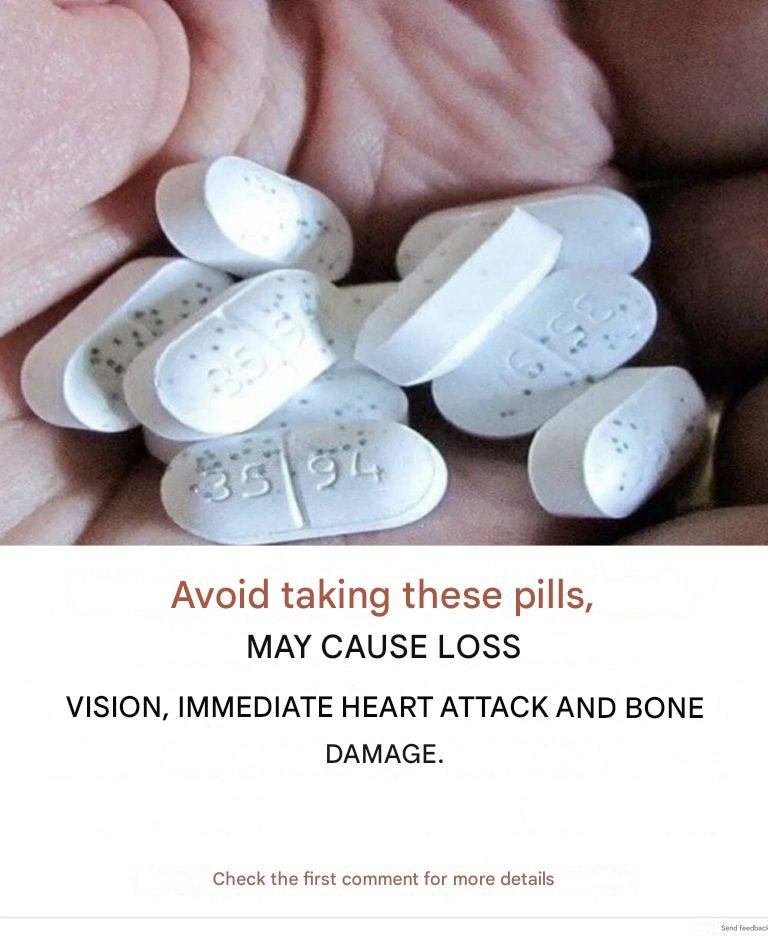
That warning isn’t wrong—but it’s often overly dramatic and missing context. Many medications can increase the risk of blood clots or heart problems, but usually only in certain people or situations.
Here’s a clear, fact-based breakdown so you understand what’s actually risky:
⚠️ Medications Linked to Blood Clots & Heart Risks
1. Hormonal Birth Control Pills
- Contain estrogen (e.g., combined oral contraceptives)
- Increase risk of Deep Vein Thrombosis and Pulmonary Embolism
- Higher risk if: Smoking, age >35, obesity
2. Hormone Replacement Therapy (HRT)
- Used during menopause
- Also raises clot risk due to estrogen effects
3. Certain Painkillers (NSAIDs)
- Examples: Diclofenac, Ibuprofen
- Linked to higher risk of Heart Attack and stroke
- Risk increases with long-term or high-dose use
4. Some Cancer Treatments
- Chemotherapy and targeted therapies can increase clotting tendency
- Cancer itself already raises risk
5. Erythropoiesis-Stimulating Agents
- Used to treat anemia
- Increase red blood cell production → thicker blood → higher clot risk
6. Certain Diabetes Medications
- Some older drugs (less commonly used now) linked to heart risks
- Modern options are generally safer
7. Steroids (Long-Term Use)
- Can increase blood pressure, cholesterol, and clotting tendency
8. COVID-Related Context
- COVID-19 itself significantly increases clot risk
- Some early vaccine concerns existed, but serious clot events are very rare and benefits outweigh risks
🚨 Important Reality Check
These medications don’t affect everyone equally
Risk depends on:
- Age
- Smoking
- Obesity
- Personal/family clotting history
- Conditions like Hypertension or diabetes
⚠️ Warning Signs of Dangerous Blood Clots
Seek urgent care if you notice:
- Swelling/pain in one leg
- Sudden chest pain or shortness of breath
- Sudden weakness or speech difficulty (possible stroke)
✅ How to Stay Safe
- ✔️ Don’t stop prescribed medication suddenly
- ✔️ Avoid smoking (huge risk multiplier)
- ✔️ Stay active—avoid long immobility
- ✔️ Discuss your personal risk with a doctor
- ✔️ Use the lowest effective dose for shortest duration
🧠 Bottom Line
Yes, some “tablets” can increase the risk of clots or heart attacks—but:
- The risk is usually small and manageable
- Benefits often far outweigh the risks when used properly
- The real danger comes from misuse or ignoring risk factors
If you want, tell me which specific tablets you’re referring to, and I can give a precise risk assessment for your situation.
