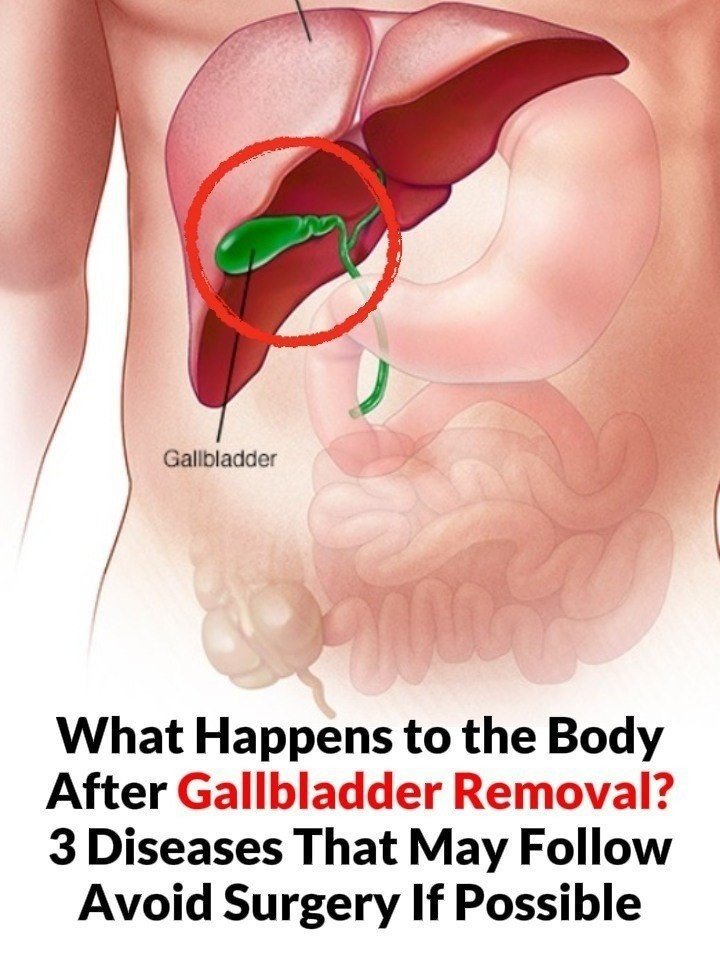
The idea that you should “avoid gallbladder removal whenever possible” is often based on fear-driven or oversimplified claims. In reality, a laparoscopic cholecystectomy (gallbladder removal) is one of the most common and safest abdominal surgeries, and it is usually recommended when gallstones or gallbladder inflammation are causing real complications.
That said, it’s also true that a minority of people can develop ongoing digestive or bile-flow related issues after surgery. These are usually grouped under a term called Postcholecystectomy Syndrome.
Here are 3 conditions sometimes associated with life after gallbladder removal:
1) Postcholecystectomy Syndrome (PCS)
This is an umbrella term, not a single disease.
People may continue to have or develop:
- Upper abdominal pain
- Bloating or indigestion
- Nausea after fatty meals
- Heartburn-like symptoms
PCS can happen due to:
- Residual or new bile duct stones
- Functional digestive changes
- Acid reflux or unrelated stomach conditions that were present before surgery
Importantly, many cases are treatable once the exact cause is identified.
2) Chronic Diarrhea (Bile Acid Diarrhea)
After gallbladder removal, bile flows continuously into the intestine instead of being stored and released in controlled amounts.
In some people, this leads to:
- Frequent loose stools
- Urgency after meals
- Worse symptoms after fatty foods
This is often called Bile Acid Diarrhea.
Why it happens:
- Excess bile acids reach the colon
- This irritates the bowel and draws water into stool
Treatment is usually effective (diet changes or bile acid-binding medications).
3) Sphincter of Oddi Dysfunction (SOD)
The sphincter of Oddi is a small muscular valve controlling bile and pancreatic juice flow.
After gallbladder removal, a small number of patients develop:
- Recurrent upper abdominal pain
- Episodes resembling gallbladder attacks
- Sometimes abnormal liver or pancreatic enzyme levels
This is known as Sphincter of Oddi Dysfunction.
It is uncommon, but can be difficult to diagnose and may require specialist care.
Important Reality Check
While these conditions are real, it’s equally important to understand:
- Most people do NOT develop serious long-term problems
- Many people feel significantly better after surgery
- Untreated gallstones can cause dangerous complications like:
- Gallbladder infection
- Pancreatitis
- Blocked bile ducts
- Sepsis in severe cases
So the decision is not “avoid surgery at all costs,” but rather:
Weigh the risks of surgery against the risks of leaving the gallbladder problem untreated.
Bottom line
Gallbladder removal is not something to avoid universally. It is usually recommended when medically necessary. A small percentage of patients may develop post-surgery digestive issues, but these are often manageable and far less dangerous than complications from untreated gallbladder disease.
If you want, I can break down:
- When doctors actually recommend gallbladder removal
- Or how to manage gallstones without surgery (when it’s safe to try)
