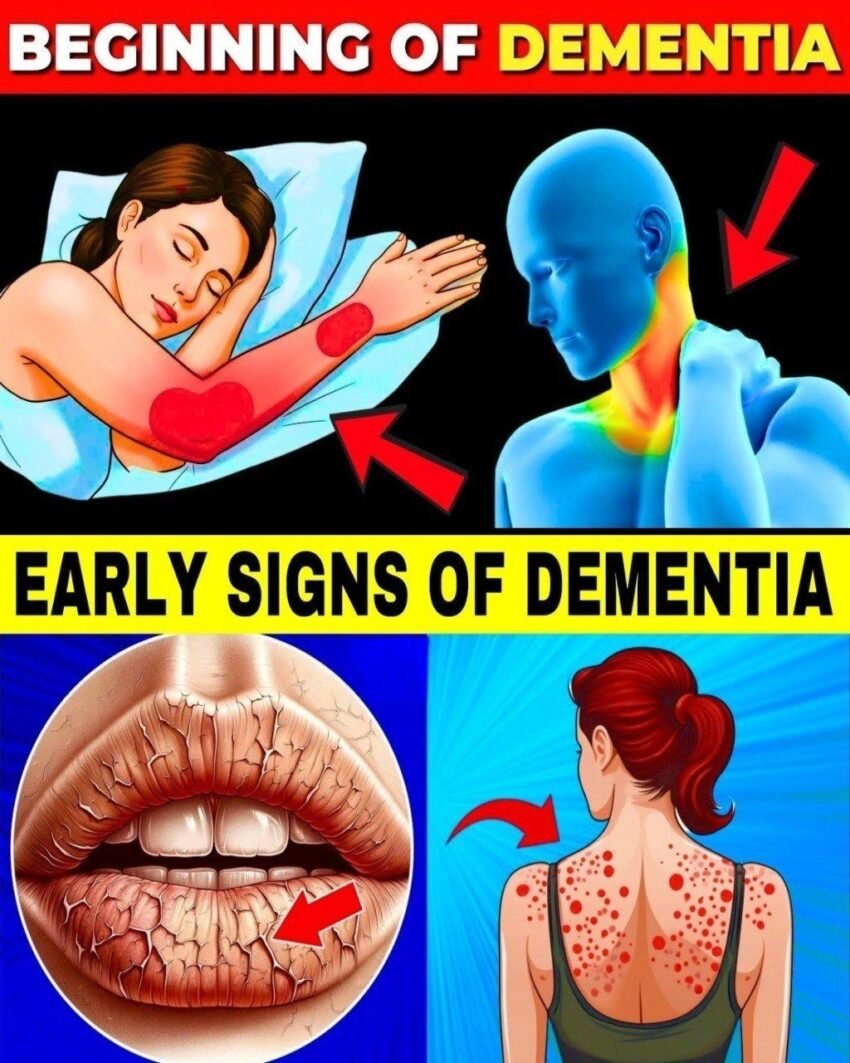
Here’s an evidence‑based, doctor‑oriented article‑style overview of the 10 early signs of dementia that you should never ignore — and how to tell when normal aging becomes concerning. These are based on medical sources including the Centers for Disease Control and Prevention (CDC) and the Alzheimer’s Association. (Alzheimer’s Association)
🧠 10 EARLY SIGNS OF DEMENTIA YOU SHOULD NEVER IGNORE
Dementia isn’t a normal part of aging. It’s a progressive decline in memory and thinking that interferes with daily life. Early detection matters — it allows doctors to assess cause, start treatments if appropriate, and help families plan. (CDC)
1. Memory Loss That Disrupts Daily Life
Forgetting recently learned information — like appointments, conversations, or events — and it doesn’t get better with reminders. That’s different from normal age‑related forgetfulness. (Alzheimer’s Association)
Red flag: Repeatedly asking the same questions or forgetting important plans. (Alzheimer’s Association)
2. Difficulty Planning or Solving Problems
Suddenly struggling to follow plans, manage money, or keep track of tasks like bills or recipes. (Alzheimer’s Association)
Normal aging vs. dementia: Occasional forgetfulness vs. inability to follow multi‑step tasks. (Alzheimer’s Association)
3. Trouble Completing Familiar Tasks
People with early dementia may find it hard to do routines they once handled easily — like cooking, driving a familiar route, or managing medications. (Alzheimer’s Association)
4. Confusion with Time or Place
Losing track of dates, seasons, or forgetting where they are and how they got there. (Alzheimer’s Association)
5. Difficulty Understanding Visual Images and Spatial Relationships
Even if eyesight is fine, problems judging distance or reading may appear. This can affect driving or navigating familiar environments. (Alzheimer’s Association)
6. New Problems with Words — Speaking or Writing
Struggling to follow or join a conversation, repeating themselves, or using the wrong words. (Alzheimer’s Association)
7. Misplacing Things and Inability to Retrace Steps
Occasionally misplacing keys is normal, but frequently losing items in inappropriate places and not remembering how they got there is concerning. (Alzheimer’s Association)
8. Decreased or Poor Judgment
This includes spotting poor decisions like giving money away to scams, paying less attention to hygiene, or making financial errors that weren’t typical before. (Alzheimer’s Association)
9. Withdrawal from Social or Work Activities
People may avoid social engagements, lose interest in hobbies, or stop activities they once enjoyed. (Alzheimer’s Association)
10. Changes in Mood and Personality
Mood shifts such as increased anxiety, sadness, irritability, or personality changes are common — especially if they differ from the person’s usual behavior. (Alzheimer’s Association)
🧠 IMPORTANT: How to Distinguish Dementia From Normal Aging
Many people dismiss early signs as “just part of getting older.” But normal age‑related memory changes don’t significantly interfere with daily functioning — for example:
- Occasional forgetting names but remembering them later
- Misplacing items then retracing steps to find them (CDC)
If the memory or thinking problems persist, worsen, or affect daily life, it’s worth a medical evaluation. (Alzheimer’s Association)
🩺 WHY EARLY DETECTION MATTERS
- Early diagnosis can help determine reversible causes (like B12 deficiency or thyroid problems). (CDC)
- Some dementia treatments may slow progression when started early. (CDC)
- It allows planning for care, safety, and legal decisions while the person can still participate. (CDC)
⚠️ When to See a Doctor
You should schedule a medical assessment if you or a loved one:
✔ Shows more than one of the signs above
✔ Struggles with daily activities
✔ Has symptoms that continue or worsen over time (Alzheimer’s Association)
🧠 Final Thought
Recognizing early signs of dementia can transform outcomes. What feels like “simple forgetfulness” may actually be a sign of something deeper — and being proactive never hurts. (CDC)
If you’d like, I can also provide tips on brain‑healthy habits and lifestyle changes that may support cognition — just ask! 😊
