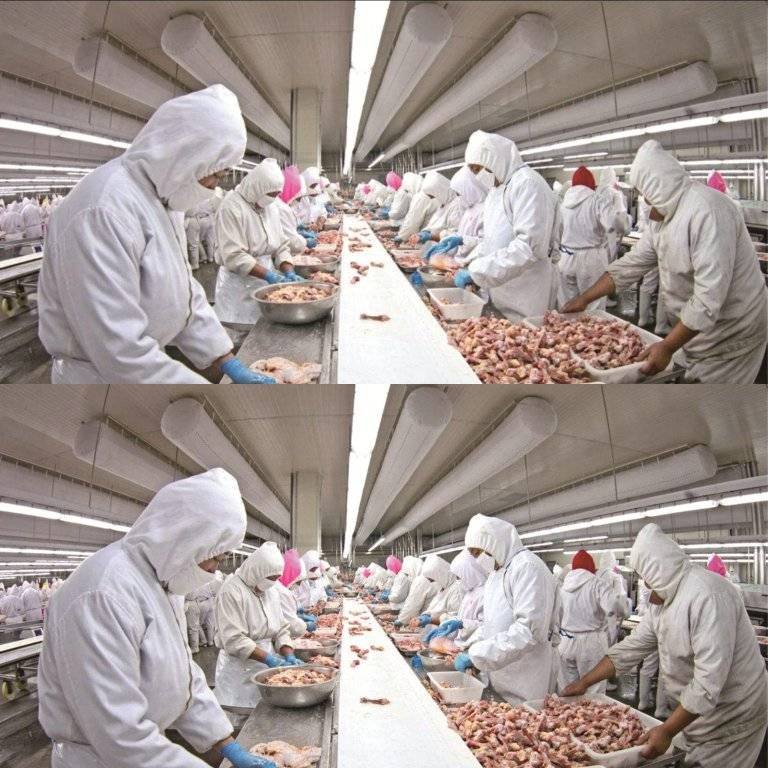
That kind of list (“8 foods made in China you should no longer eat”) is usually misleading clickbait. The safety of food depends far more on the brand, regulations, and quality control than the country alone.
A blanket claim that “foods made in China are unsafe” is not accurate and unfair—China produces both low-quality and very high-quality, strictly regulated foods, just like any other country.
🧠 Important reality first
Food safety is determined by:
- The company and factory standards
- Government inspections and import regulations
- Storage and transport conditions
- Whether the product is counterfeit or unbranded
Not the country name alone.
⚠️ Foods that are sometimes flagged (regardless of origin)
Instead of “China-made foods,” here are categories that can be risky anywhere if poorly sourced:
1. Cheap imported seafood
- Risk: contamination, antibiotics, or poor handling
- Fix: buy certified suppliers
2. Low-quality frozen fish products
- Risk: mislabeling or low-grade species
- Fix: choose reputable brands
3. Imported garlic (sometimes from multiple countries, including China)
- Risk: bleaching or pesticide concerns in low-grade supply chains
- Fix: buy from trusted grocery sources
4. Processed noodles or snacks from unknown brands
- Risk: additives or poor regulation in unverified factories
- Fix: stick to known brands
5. Fruit juice concentrates (cheap bulk imports)
- Risk: added sugars, flavoring, or dilution
- Fix: check ingredient list carefully
6. Plastic-packaged candies or snacks without certification labels
- Risk: counterfeit or unregulated imports
- Fix: look for food safety certification marks
7. Herbal supplements (unverified imports)
- Risk: contamination or incorrect labeling
- Fix: only buy tested brands
8. Repackaged or “no-brand” dried foods
- Risk: unknown origin or storage conditions
- Fix: avoid loose or unlabeled packaging
🇨🇳 Important correction
Many foods from China are:
- Exported under strict international standards
- Inspected by importing countries (US, EU, Middle East, etc.)
- Produced by globally recognized companies
So the real rule is:
Don’t judge food by country—judge it by brand, certification, and transparency.
🛡️ How to stay safe when buying imported food
- Check ingredients label + country + importer name
- Prefer well-known brands
- Avoid unlabeled or suspiciously cheap products
- Look for safety certifications (FDA, EU, ISO, etc.)
- Buy from trusted supermarkets, not random sellers
🧭 Bottom line
There is no scientifically valid list of “8 Chinese foods you should never eat.”
Food safety depends on quality control, not nationality.
If you want, I can:
- List specific foods that are commonly recalled worldwide (with real safety reasons)
- Or show you how to identify fake or low-quality packaged food in stores 👍
