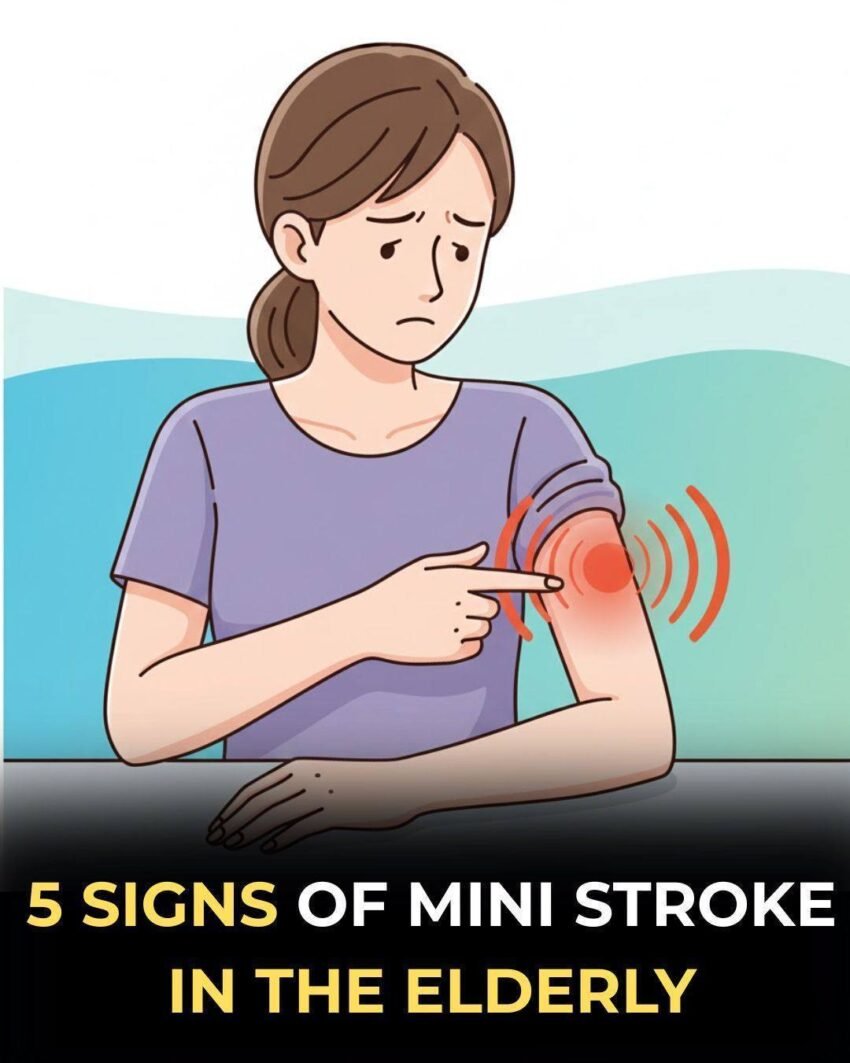
A “mini stroke” is the common term for a Transient Ischemic Attack (TIA). The key thing to understand is this:
👉 Symptoms are real but temporary—and they’re a major warning sign of a possible full stroke.
Even if signs disappear within minutes, they should be treated as a medical emergency.
🧠 5 key signs of a mini stroke in older adults
⚠️ 1. Sudden weakness or numbness (especially one side)
- Face, arm, or leg may feel weak or “heavy”
- Often affects only one side of the body
👉 Example: one arm drifts down when trying to raise both
😕 2. Facial drooping
- One side of the face may sag
- Uneven smile
👉 A classic early sign doctors look for
🗣️ 3. Speech difficulty
- Slurred speech
- Trouble finding words
- Saying words that don’t make sense
👁️ 4. Sudden vision problems
- Blurred or double vision
- Temporary loss of vision in one eye
🚶 5. Loss of balance or coordination
- Sudden dizziness
- Trouble walking
- Feeling unsteady
⏱️ Why TIAs are dangerous
Even though symptoms resolve:
- Up to 1 in 3 people may later have a full stroke
- Risk is highest within 48 hours
Related condition: Stroke
🚨 What to do immediately
Use the FAST rule:
- Face drooping
- Arm weakness
- Speech difficulty
- Time to act
👉 Call emergency services immediately, even if symptoms go away
🧠 Why elderly people are at higher risk
- High blood pressure
- Diabetes
- Cholesterol buildup
- Heart disease
These increase the chance of a Transient Ischemic Attack
✔️ Bottom line
A mini stroke is not “minor.”
👉 It’s a serious warning sign that the brain briefly lost blood flow—and a full stroke could follow.
If you want, I can also share early prevention strategies or help you assess risk factors for someone specific.
