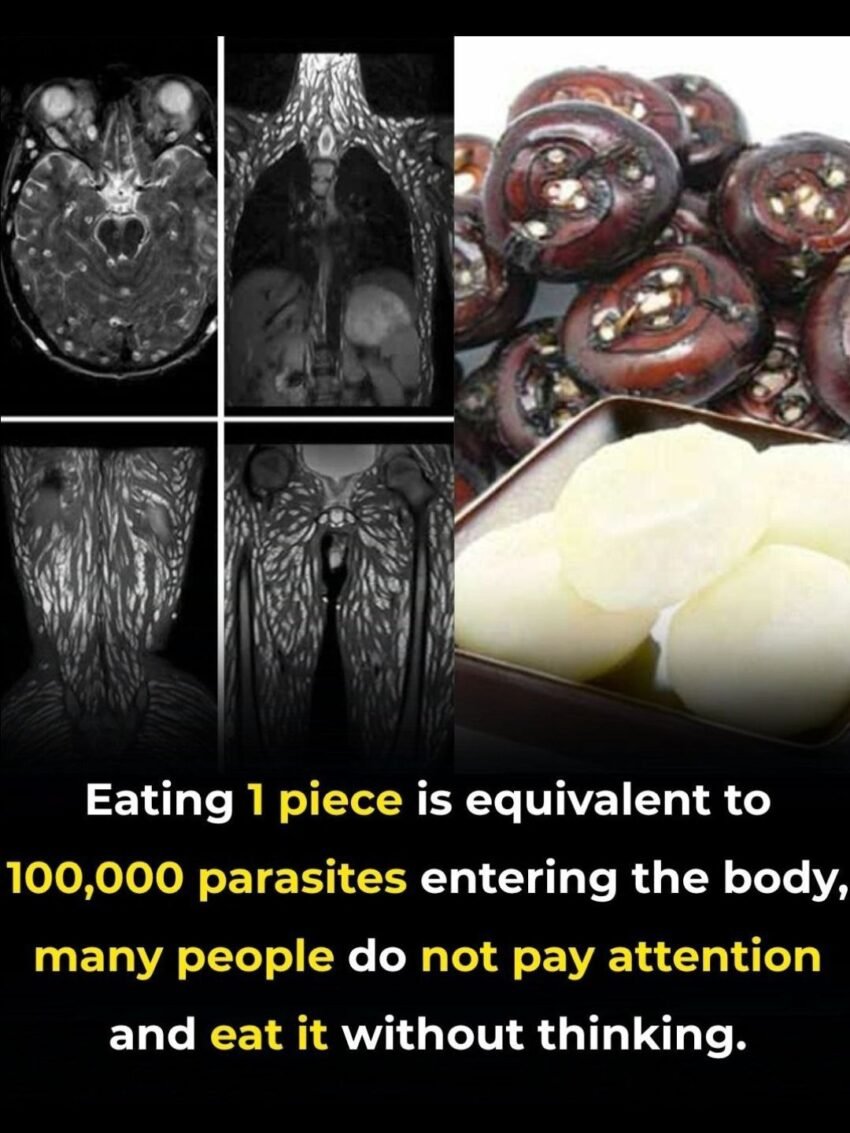
Absolutely! Foodborne parasites are a real, often overlooked health risk. Here’s a clear, thorough guide on how to protect yourself.
Even a Single Bite Can Be Harmful: How to Protect Yourself From Foodborne Parasites
Foodborne parasites are organisms that can live in your food and make you sick—even from just one contaminated bite. Unlike bacteria, parasites can survive in certain foods even if they look and smell fine, making awareness and proper food handling crucial.
Common Foodborne Parasites
| Parasite | Common Food Source | Illness Symptoms |
|---|---|---|
| Toxoplasma gondii | Undercooked meat (especially pork, lamb), contaminated produce | Flu-like symptoms, swollen lymph nodes, fatigue; dangerous for pregnant women |
| Trichinella spiralis | Undercooked pork or wild game | Muscle pain, fever, nausea, diarrhea |
| Giardia lamblia | Contaminated water or unwashed produce | Diarrhea, cramps, bloating |
| Tapeworms (Taenia spp.) | Undercooked beef or pork | Weight loss, abdominal pain, malnutrition |
| Anisakis | Raw or undercooked fish (sushi, ceviche) | Abdominal pain, nausea, allergic reactions |
How to Protect Yourself
1. Cook Food Thoroughly
- Meat: Use a food thermometer to ensure proper temperature:
- Pork, beef, lamb: 145–160°F (63–71°C) depending on cut
- Fish: 145°F (63°C)
- Avoid raw or undercooked meats unless verified safe (like sushi-grade fish).
2. Wash Produce Carefully
- Wash fruits and vegetables under running water—even if you peel them.
- For leafy greens, soak and rinse thoroughly.
3. Safe Water Practices
- Drink treated or filtered water.
- Avoid untreated lakes, rivers, or springs.
- For travel, boil or filter water before consumption.
4. Proper Storage
- Refrigerate perishable foods below 40°F (4°C).
- Avoid leaving food at room temperature for more than 2 hours.
- Freeze fish intended for raw consumption to kill parasites (check local guidelines).
5. Avoid Cross-Contamination
- Use separate cutting boards for meat and produce.
- Wash hands, utensils, and surfaces after contact with raw meat or fish.
6. Be Cautious with High-Risk Foods
- Raw or undercooked meat, fish, or shellfish
- Unpasteurized milk or cheese
- Unwashed fruits and vegetables
7. Special Considerations
- Pregnant women, young children, elderly, and immunocompromised individuals are at higher risk.
- Consult a doctor if you suspect parasite infection—early treatment is often very effective.
Key Takeaways
- Even one bite can transmit a parasite.
- Proper cooking, washing, and hygiene are the most effective defenses.
- Awareness is crucial—parasites often don’t change the taste, smell, or look of food.
If you want, I can also make a “Parasite Safety Cheat Sheet” for your kitchen—a quick reference of what to avoid, safe temperatures, and prep tips. That way, it’s super practical.
Do you want me to make that cheat sheet?
