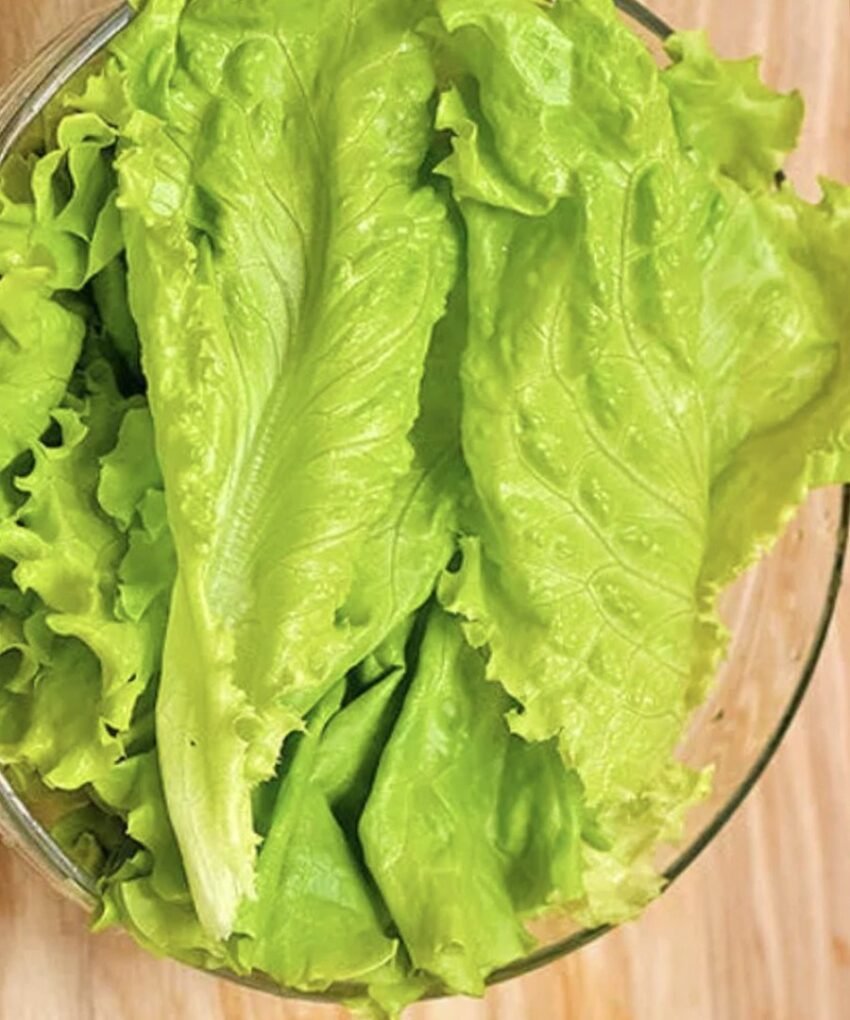
There’s no scientific evidence that eating lettuce in winter specifically causes a particular disease just because it’s winter* — but health experts and food safety authorities do warn about real risks that can be more significant in cold weather or with certain types of lettuce products. These warnings are about food safety and contamination, not a seasonal, universal toxic effect of winter lettuce itself. Here’s a comprehensive and medically grounded explanation:
🥬 1. Lettuce & Foodborne Illness — What Doctors Are Concerned About
🚨 Raw lettuce is often eaten uncooked
Because lettuce is usually consumed raw, any pathogens on the leaves are not killed by cooking. That makes lettuce a common vehicle for foodborne illness when contaminated. (Consumer Reports)
🦠 Common microbes linked to contaminated lettuce
Leafy greens including lettuce can harbor bacteria, parasites, and viruses that cause illness:
- E. coli (especially dangerous strains like O157:H7) — can cause severe cramps, bloody diarrhea, and kidney complications in serious cases. (VEGWORLD Magazine)
- Listeria monocytogenes — can grow even in refrigerated conditions and can be serious, especially for pregnant women, elderly, or immunocompromised people. (Consumer Reports)
- Salmonella, Norovirus, Cyclospora — other major causes of lettuce‑related infections (diarrhea, vomiting, fever). (Keep Food Safe)
Outbreaks have occurred internationally, including cases where people were hospitalized after eating contaminated lettuce. (ZME Science)
🧊 2. Why Risks May Seem Higher in Winter
The winter season itself doesn’t make lettuce harmful, but there are situational factors that can increase risk:
📦 Winter lettuce supply chain
- In many countries, much of the lettuce consumed in winter is imported or greenhouse grown far from where it’s eaten (e.g., Yuma lettuce in the U.S. winter). When contamination enters the supply chain early, it can spread widely because lettuce from multiple farms may be mixed. (New York Post)
🧊 Temperature & storage
- Pathogens can sometimes survive cold storage and may still cause illness when the lettuce is eaten raw. Refrigeration slows bacterial growth but doesn’t kill all bacteria already present. (Consumer Reports)
So the association of winter lettuce with past outbreaks (in places like the U.S.) has been linked to where the lettuce was grown and how it was handled in the supply chain, not the winter season intrinsically making the lettuce poisonous. (Food Logistics)
🍽 3. Nutritional Value vs. Risk
Lettuce contains water, fiber, and micronutrients like vitamins A and K. It can be part of a healthy diet year‑round. However:
The risks are NOT about nutrition, but contamination.
- Eating contaminated lettuce can lead to gastrointestinal symptoms like nausea, vomiting, diarrhea, cramps, fever, and dehydration. (Biology Insights)
🧠 4. Who Is Most Vulnerable?
Certain groups are at higher risk from contaminated lettuce:
- Elderly individuals
- Pregnant people
- Young children
- People with weakened immune systems
For them, infections like Listeria can be particularly dangerous. (Consumer Reports)
🥗 5. How to Reduce Risk (Food Safety Tips)
Doctors and food safety experts recommend the following to make eating lettuce safer:
🧼 Clean and prepare safely
- Wash your hands, utensils, and cutting boards before preparation. (CDC)
- Rinse whole lettuce leaves under running water; discard damaged outer leaves. (CDC)
🧊 Store properly
- Keep cut greens refrigerated at appropriate temperatures (below 4°C / 39°F). (CDC)
❌ Avoid wilted or slimy lettuce
- Deteriorated leaves are more likely to harbor bacterial growth.
📌 Summary
Eating lettuce in winter does not inherently cause illness—but eating raw lettuce that’s contaminated with bacteria or viruses can make many people seriously sick. The key issues doctors highlight are:
- Foodborne pathogens can hide on lettuce because it’s eaten raw. (Biology Insights)
- Contamination can occur at multiple points: farming, harvesting, processing, transport, or handling. (Keep Food Safe)
- Risks can be amplified by how lettuce is stored and distributed in winter supply chains. (New York Post)
So the concern isn’t “winter lettuce is toxic,” but rather safe handling and hygiene matter year‑round, especially for raw leafy greens.
If you want, I can explain how to safely wash and prepare lettuce at home to minimize these risks. Would you like a step‑by‑step guide?
