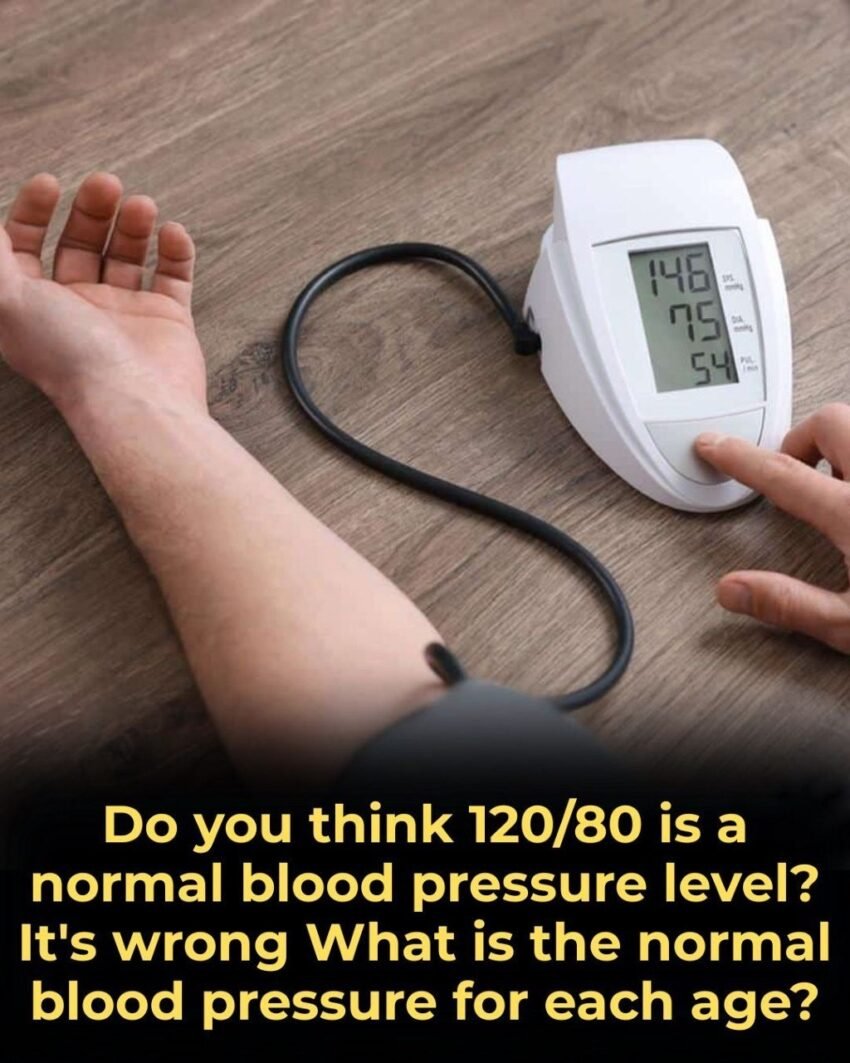
Blood pressure naturally changes with age, so “normal” values aren’t the same for a child, adult, or elderly person. Here’s a clear breakdown:
1. Children (age 1–12 years)
For children, normal blood pressure depends on age, sex, and height percentile, so it’s a bit more complex. Roughly:
| Age | Systolic (mmHg) | Diastolic (mmHg) |
|---|---|---|
| 1–3 yrs | 80–110 | 50–80 |
| 4–5 yrs | 85–115 | 55–80 |
| 6–9 yrs | 90–120 | 60–80 |
| 10–12 yrs | 95–125 | 60–85 |
(Pediatricians often use BP charts based on percentiles.)
2. Adolescents (13–17 years)
- Normal: < 120/80 mmHg
- Elevated: 120–129 / <80 mmHg
- Hypertension: ≥130/80 mmHg
3. Adults (18–59 years)
According to the American Heart Association (AHA):
| Category | Systolic (mmHg) | Diastolic (mmHg) |
|---|---|---|
| Normal | <120 | <80 |
| Elevated | 120–129 | <80 |
| Hypertension Stage 1 | 130–139 | 80–89 |
| Hypertension Stage 2 | ≥140 | ≥90 |
4. Older Adults (60+ years)
- Ideal: Often <130/80 mmHg
- Some guidelines: <140/90 mmHg is acceptable if no other health issues exist.
Blood vessels stiffen with age, so slightly higher pressures can be common.
💡 Key notes:
- Blood pressure varies with activity, stress, and time of day.
- Children need age/height/sex-specific charts; adults use fixed thresholds.
- Lifestyle (diet, exercise, salt intake) has a big effect at all ages.
If you want, I can make a single, easy-to-read chart showing “normal BP for every age from 1 year to 80+”, which is handy for quick reference. Do you want me to do that?
