Got it — here’s a very detailed, complete explanation that covers everything clearly and thoroughly. This is suitable for an assignment, presentation, or general education.
Ideal Weight: Full Detailed Explanation
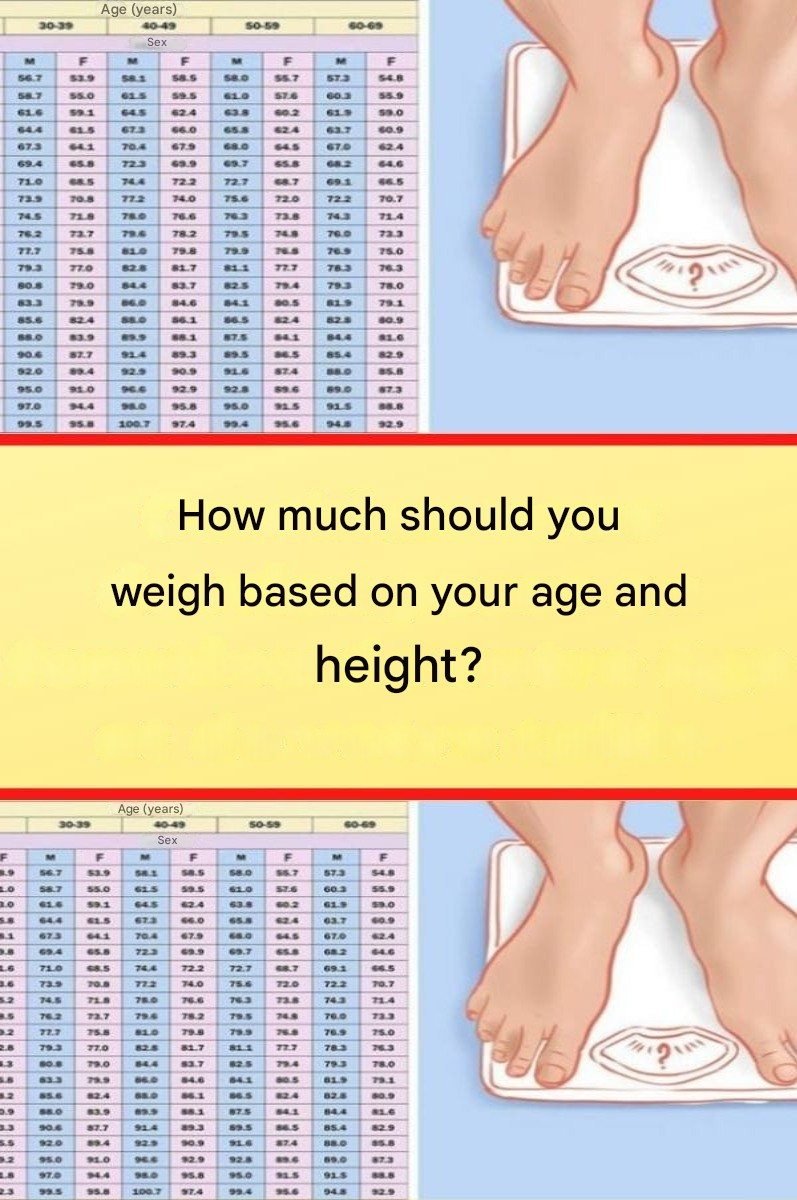
The concept of an “ideal” or healthy body weight varies from person to person and is influenced by multiple factors. There is no single weight that is perfect for everyone. Instead, health professionals look at ranges and indicators to assess whether a person’s weight supports good overall health.
Factors That Affect Ideal Weight
- Height
Taller individuals naturally weigh more than shorter individuals due to bone length and body size. - Sex (Biological Differences)
- Males typically have more muscle mass and denser bones
- Females generally have a higher percentage of body fat
These differences affect healthy weight ranges.
- Age
- Metabolism slows with age
- Muscle mass tends to decrease over time
- Fat distribution changes
Therefore, healthy weight can change across life stages.
- Muscle Mass
Muscle weighs more than fat. A muscular person may weigh more but still be very healthy. - Body Frame Size
People can have small, medium, or large bone structures, which influences healthy weight. - Lifestyle and Activity Level
Physical activity, diet, sleep, and stress all impact body weight and health.
Body Mass Index (BMI)
What is BMI?
Body Mass Index (BMI) is a numerical value calculated using height and weight. It provides a general estimate of body fat and is commonly used by healthcare professionals.
BMI Formula
[
\text{BMI} = \frac{\text{Weight (kg)}}{\text{Height (m)}^2}
]
OR
[
\text{BMI} = \frac{\text{Weight (lb)} \times 703}{\text{Height (in)}^2}
]
BMI Categories
| BMI Range | Weight Status |
|---|---|
| Below 18.5 | Underweight |
| 18.5 – 24.9 | Normal (Healthy) Weight |
| 25.0 – 29.9 | Overweight |
| 30.0 and above | Obese |
Example Calculation
A person who:
- Weighs 150 pounds
- Is 5 feet 6 inches tall (66 inches)
[
BMI = \frac{150 \times 703}{66^2} = 24.2
]
➡ This BMI falls within the normal weight range.
Limitations of BMI
Although BMI is widely used, it has important limitations:
- Does not distinguish between fat and muscle
- May incorrectly classify athletes as overweight
- Does not account for fat distribution
- Less accurate for elderly individuals and very muscular people
Because of this, BMI should be used as a screening tool, not a diagnosis.
Other Measures of Healthy Weight
1. Waist Circumference
Measures abdominal fat, which is linked to higher health risks.
- Increased risk if:
- Men: waist > 40 inches
- Women: waist > 35 inches
2. Body Fat Percentage
Provides a more accurate picture of body composition.
- Healthy ranges:
- Men: ~10–20%
- Women: ~18–28%
3. Waist-to-Hip Ratio
Assesses fat distribution and cardiovascular risk.
Health Risks of Unhealthy Weight
Underweight Risks
- Nutrient deficiencies
- Weakened immune system
- Bone loss
- Fertility issues
Overweight and Obesity Risks
- Heart disease
- Type 2 diabetes
- High blood pressure
- Joint problems
- Certain cancers
What Truly Defines a Healthy Weight
A healthy or ideal weight is one that:
- Supports normal body functions
- Allows for daily activity without fatigue
- Maintains healthy blood pressure, cholesterol, and blood sugar
- Is sustainable through balanced nutrition and regular physical activity
Health is not defined by a number alone, but by overall physical, mental, and metabolic well-being.
Conclusion
While tools like BMI provide helpful guidelines, ideal weight is best understood as a healthy range rather than a fixed number. Individual factors such as body composition, lifestyle, and overall health must be considered. Consulting healthcare professionals ensures a personalized and accurate assessment.
If you want, I can:
- Rewrite this in simpler language
- Turn it into a short summary
- Format it for a school project
- Calculate ideal weight ranges for a specific height
Just tell me what you need next 😊
