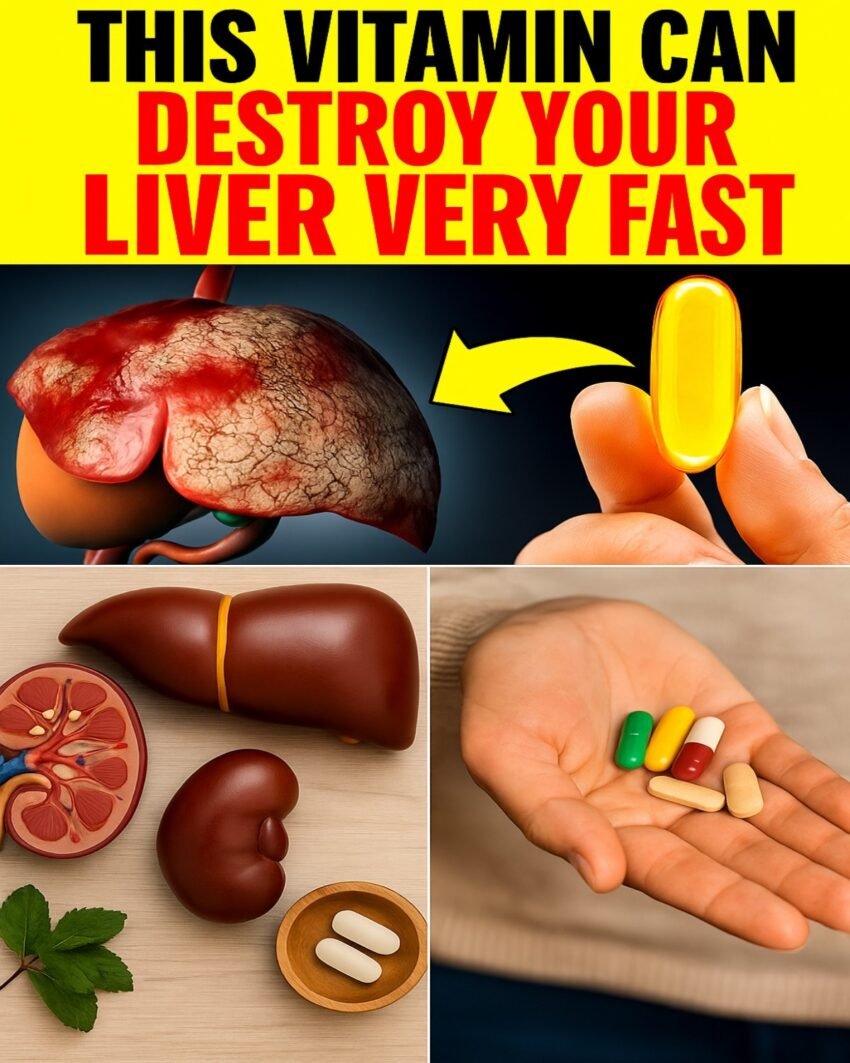
Below is a full article‑style breakdown of “9 Vitamins & Supplements That Can Harm Your Liver & Kidneys” — based on medical reporting and expert safety warnings. Supplements can be helpful when taken correctly, but many cause organ stress or even toxicity when misused, taken in high doses, or used without medical supervision. (The Times of India)
9 Vitamins & Supplements That Can Damage Your Liver & Kidneys
Your liver and kidneys are your body’s detox and filtration powerhouses — processing everything you eat, drink, and absorb. When vitamins or herbal supplements are taken in excess, combined carelessly, or are contaminated, they can overwhelm these organs and lead to serious injury. (The Times of India)
1. Green Tea Extract (High EGCG Concentrations)
Supplements with concentrated green tea extract are popular for weight loss and antioxidants — but when doses exceed safe limits (~800 mg of EGCG), they’ve been linked to liver enzyme elevations, inflammation, and even liver failure. (The Times of India)
Why it can harm: high catechin concentrations overwhelm the liver’s detox pathways.
Signs to watch for: fatigue, jaundice, nausea, abdominal pain.
2. Vitamin A (High‑Dose Retinol)
Vitamin A is essential for vision and immunity, but unlike water‑soluble vitamins, the fat‑soluble form accumulates in the liver. Excessive supplementation can lead to toxicity, inflammation, fibrosis, or liver failure. (The Times of India)
Risk also increases if you take multiple products with vitamin A or have existing liver issues.
3. Vitamin D (Excess Intake)
Vitamin D supports bone and immune health, but too much can cause hypercalcemia — elevated calcium in the blood — which can burden the kidneys, leading to stones, calcification of tissues, or impaired kidney function. (Doctor.ndtv.com)
Symptoms of toxicity: vomiting, weakness, frequent urination, kidney pain.
4. Excess Protein & Creatine Supplements
Protein powders and creatine are widely used by athletes, but overconsumption increases the workload of the kidneys by boosting nitrogenous waste they must filter. In people with borderline kidney function, this added stress can accelerate damage. (Doctor.ndtv.com)
Tip: Balance intake with hydration and dietary protein needs.
5. High‑Dose Vitamin C
While generally safe, very large doses of vitamin C (>2 g/day) can increase oxalate production. Oxalate binds with calcium to form kidney stones, and in rare cases can contribute to kidney injury. (Doctor.ndtv.com)
6. Niacin (Vitamin B3 in Pharmacologic Doses)
Niacin is sometimes used to manage cholesterol, but high doses (hundreds to thousands of mg) — especially sustained‑release forms — have been linked to liver inflammation and injury. (EatingWell)
7. Herbal Extracts with Known Toxicity
Some herbs contain natural toxins that can directly damage organs:
- Kava: Associated with liver damage and may affect kidney blood flow. (SheFinds)
- Comfrey: Contains pyrrolizidine alkaloids known to cause dangerous hepatic injury. (SheFinds)
- Black Cohosh: Linked in case reports to severe liver injury. (SheFinds)
- Aristolochic acid herbs: Strongly nephrotoxic and carcinogenic — linked to irreversible kidney failure and cancers historically. (The Times of India)
Warning: Natural doesn’t mean safe — some herbal components are potent toxins.
8. Licorice Root
Licorice contains glycyrrhizin, which in large amounts can cause hypokalemia (low potassium), high blood pressure, and kidney strain — especially dangerous for people with heart or kidney conditions. (Doctor.ndtv.com)
9. Fat‑Soluble Vitamin Combinations & Stacking Mistakes
Taking multiple supplements that share the same ingredients (e.g., vitamin A, iron, zinc) can push total intake well above safe limits, leading to organ accumulation of toxic levels — especially in the liver and kidneys. (The Times of India)
Why These Risks Matter
Unlike drugs, dietary supplements are not tightly regulated, so potency and purity vary. Some products may contain contaminants like heavy metals or unlisted compounds, increasing organ toxicity risk. (The Times of India)
Additionally, chronic supplement use often shows organ stress before symptoms become obvious — meaning damage can be happening silently. (The Economic Times)
Tips to Protect Your Liver & Kidneys
✅ Talk to a healthcare provider before starting supplements, especially if you have liver/kidney disease, take medications, or plan high doses.
✅ Get blood tests to check organ function (liver enzymes, kidney markers) before and during use.
✅ Avoid megadoses unless medically advised.
✅ Hydrate well — especially with protein or creatine.
✅ Read labels carefully and avoid stacking multiple products with overlapping nutrients.
Summary: Use With Caution
Supplements can support health when used appropriately, but these nine examples — from high doses of fat‑soluble vitamins to certain herbal extracts — have documented risks to the liver and kidneys. Always prioritize medical guidance and evidence‑based dosing over marketing claims. (The Times of India)
If you’d like, I can tailor this list to a specific group (e.g., weight‑loss supplements, bodybuilding stack, or everyday multivitamins) and explain which are safest — just let me know!
