Here’s a full, detailed article on vitamin B12 deficiency and why its signs are often ignored:
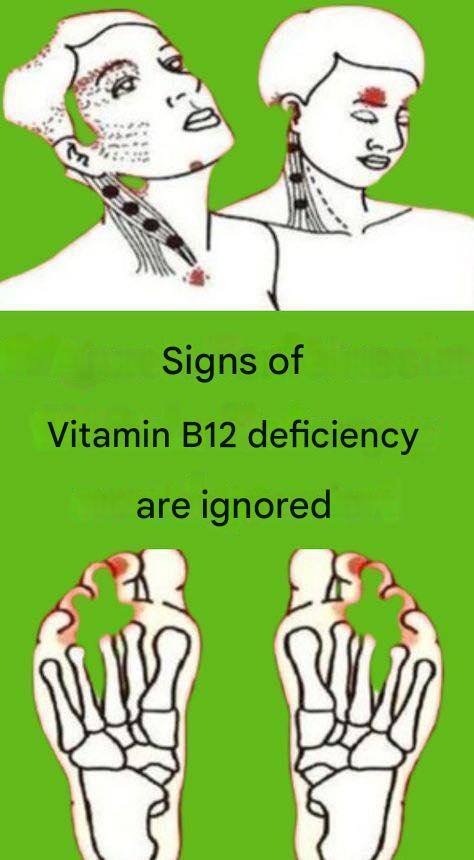
Signs of Vitamin B12 Deficiency Are Often Ignored
Vitamin B12 (cobalamin) is an essential vitamin that plays a critical role in red blood cell formation, nerve function, and DNA synthesis. Despite its importance, B12 deficiency is surprisingly common, and its early signs are often subtle, causing many people to overlook it.
Why B12 Deficiency Is Often Missed
- Slow Onset:
B12 is stored in the liver, so deficiency can develop slowly over years. Early symptoms may be mild and easy to dismiss. - Non-Specific Symptoms:
Many symptoms mimic other conditions, such as fatigue, depression, or age-related memory changes. - Dietary and Absorption Factors:
- Vegetarians and vegans are at higher risk because B12 is mainly found in animal products.
- Older adults may have reduced stomach acid, affecting B12 absorption.
- Certain medications, like proton pump inhibitors or metformin, can interfere with B12 absorption.
Common Signs of Vitamin B12 Deficiency
1. Fatigue and Weakness
- Feeling tired or lethargic despite adequate sleep.
- This occurs because B12 is crucial for red blood cell production, and deficiency can lead to anemia.
2. Neurological Symptoms
- Tingling or numbness in hands and feet (peripheral neuropathy)
- Poor balance or coordination
- Memory problems, confusion, or difficulty concentrating
3. Mood Changes
- Depression, irritability, or anxiety
- Changes in personality or behavior may occur in severe or prolonged deficiency
4. Digestive Problems
- Loss of appetite
- Nausea or diarrhea
- Weight loss without clear reason
5. Glossitis and Mouth Issues
- Inflamed, red, or sore tongue
- Mouth ulcers or burning sensation
6. Pale or Jaundiced Skin
- Pale skin due to anemia
- Yellowish skin (jaundice) in some cases
Why Ignoring Symptoms Is Dangerous
If left untreated, B12 deficiency can lead to permanent nerve damage, severe anemia, and cognitive decline. Early detection is critical because treatment with supplements or injections is highly effective.
Who Is at Risk?
- Vegetarians and vegans
- Older adults
- People with pernicious anemia or digestive disorders (like Crohn’s or celiac disease)
- Those taking certain medications long-term
How to Prevent and Treat B12 Deficiency
- Dietary Sources:
- Meat, fish, eggs, dairy
- Fortified cereals or plant-based milks
- Supplements:
- Oral B12 tablets or sublingual drops
- Injectable B12 for severe deficiencies
- Regular Screening:
- Blood tests can detect low B12 before severe symptoms appear
Key Takeaways
- Vitamin B12 deficiency develops slowly and often goes unnoticed.
- Early signs include fatigue, neurological symptoms, mood changes, and digestive issues.
- Ignoring deficiency can cause serious long-term complications.
- Diet, supplements, and regular screening are effective ways to prevent and treat deficiency.
If you want, I can also make a “Hidden Signs of B12 Deficiency” checklist that’s easy to reference daily to catch symptoms early. It’s very practical because most people miss these subtle warning signs.
Do you want me to create that checklist?
