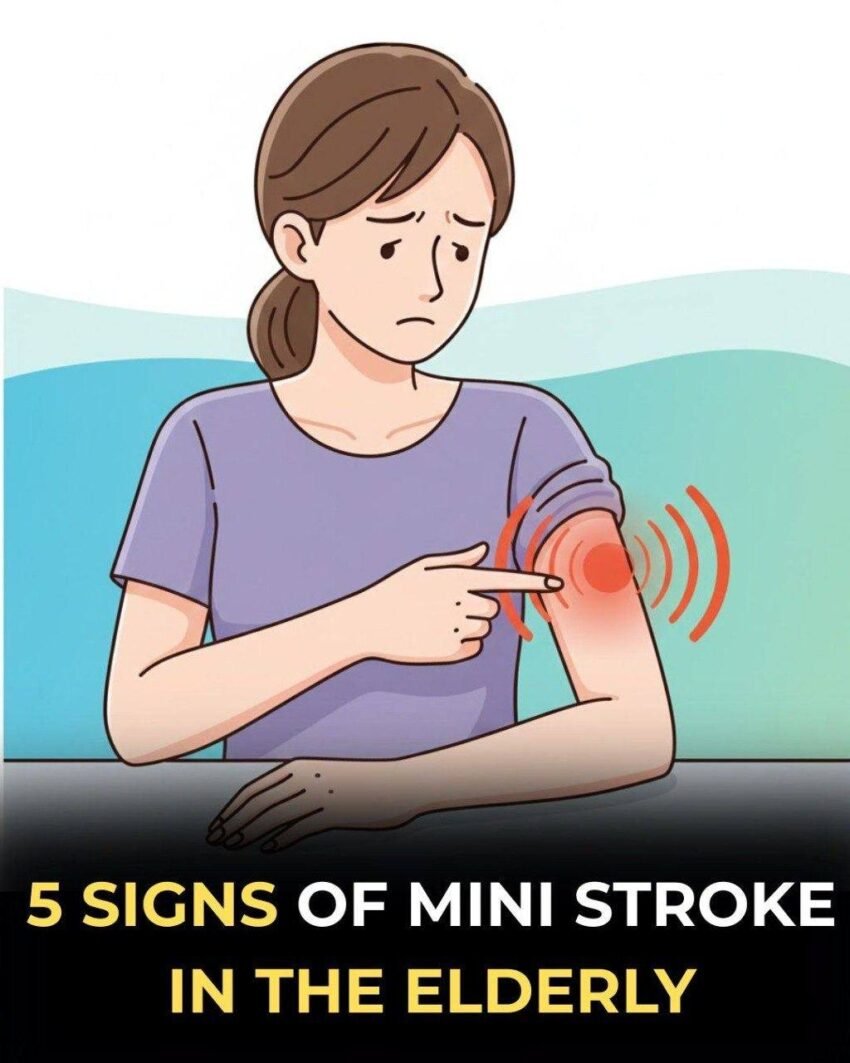
5 Signs of a Mini Stroke in the Elderly
(Transient Ischemic Attack – TIA)
A “mini stroke,” medically known as a Transient Ischemic Attack (TIA), is a temporary blockage of blood flow to the brain. Unlike a major stroke, symptoms usually resolve within minutes to a few hours and do not cause permanent damage.
However, a TIA is a serious medical warning sign. It often signals a high risk of a future full stroke — especially in older adults.
Understanding the signs can save a life.
What Is a Mini Stroke?
A mini stroke occurs when blood flow to part of the brain is briefly interrupted by a clot or narrowed artery.
Although symptoms disappear, the underlying cause — often high blood pressure, high cholesterol, diabetes, or heart disease — remains.
👉 Up to 1 in 3 people who have a TIA will later have a major stroke, often within days or weeks if untreated.
5 Signs of a Mini Stroke in the Elderly
Symptoms usually appear suddenly and may last a few minutes to several hours.
1️⃣ Sudden Weakness or Numbness (Especially on One Side)
One of the most common warning signs is:
- Weakness in the face, arm, or leg
- Numbness on one side of the body
- Drooping on one side of the face
- Difficulty lifting one arm
In elderly individuals, this may be mistaken for fatigue or arthritis-related weakness. However, sudden one-sided symptoms are a red flag.
💡 Ask the person to smile. If one side droops, seek emergency care.
2️⃣ Sudden Trouble Speaking or Understanding Speech
A mini stroke can affect the brain areas responsible for communication.
Watch for:
- Slurred speech
- Difficulty finding words
- Speaking in confusing or jumbled sentences
- Trouble understanding simple instructions
Older adults may appear disoriented or confused, which can be misinterpreted as dementia or normal aging.
If speech changes happen suddenly, it is a medical emergency.
3️⃣ Sudden Vision Problems
Vision changes are another key symptom.
These may include:
- Blurred vision
- Double vision
- Sudden loss of vision in one eye
- Dark or shadowed areas in vision
Some elderly individuals describe it as a “curtain coming down” over one eye.
Even if vision returns to normal quickly, it must be evaluated immediately.
4️⃣ Sudden Dizziness, Loss of Balance, or Coordination
A mini stroke affecting the cerebellum (balance center of the brain) may cause:
- Sudden dizziness
- Difficulty walking
- Loss of balance
- Unexplained falls
- Poor coordination
In older adults, this can easily be mistaken for vertigo or age-related instability.
However, if dizziness is sudden and severe — especially with other symptoms — call emergency services.
5️⃣ Sudden Severe Headache (Without Known Cause)
While more common in major strokes, a mini stroke may sometimes cause:
- A sudden, intense headache
- Pain that feels different from usual headaches
- Headache accompanied by confusion or vision changes
Any “worst headache of life” situation requires immediate medical attention.
The FAST Method: A Quick Way to Remember
Use the acronym FAST to recognize stroke symptoms:
F – Face drooping
A – Arm weakness
S – Speech difficulty
T – Time to call emergency services
Even if symptoms disappear, do not wait.
Why Mini Strokes Are Especially Dangerous in the Elderly
Older adults are at higher risk because of:
- High blood pressure
- High cholesterol
- Diabetes
- Atrial fibrillation (irregular heartbeat)
- Smoking history
- Narrowed arteries
- Sedentary lifestyle
A TIA often occurs days or weeks before a major stroke. Early treatment can dramatically reduce that risk.
What to Do If You Suspect a Mini Stroke
🚨 Call emergency services immediately. Do NOT wait for symptoms to pass.
Even if the person says they feel better:
- A brain scan is needed
- Blood tests may be required
- Medications may be started to prevent a full stroke
Driving yourself is not recommended — emergency responders can begin treatment right away.
How Doctors Prevent a Future Stroke
After a TIA, doctors may recommend:
- Blood pressure control
- Cholesterol-lowering medications (like statins)
- Blood thinners or antiplatelet medication
- Diabetes management
- Lifestyle changes (diet, exercise, quitting smoking)
- Treatment for atrial fibrillation
Prompt treatment can reduce stroke risk by up to 80%.
When Symptoms Are Mistaken for “Normal Aging”
In elderly individuals, mini strokes are often overlooked because symptoms may resemble:
- Fatigue
- Dehydration
- Medication side effects
- Dementia
- Inner ear problems
The key difference is sudden onset.
If symptoms appear quickly and unexpectedly, always assume stroke until proven otherwise.
Final Thoughts
A mini stroke is not “mini” in importance. It is a critical warning sign.
In older adults, recognizing the 5 key symptoms can mean the difference between prevention and permanent disability.
If you notice:
- Sudden weakness
- Speech changes
- Vision problems
- Dizziness
- Severe headache
👉 Seek emergency medical care immediately.
Early action saves brain cells — and lives.
If you’d like, I can also provide:
- A prevention guide for seniors
- A caregiver checklist
- Differences between stroke and mini stroke
- A printable awareness version of this article
Just let me know.
