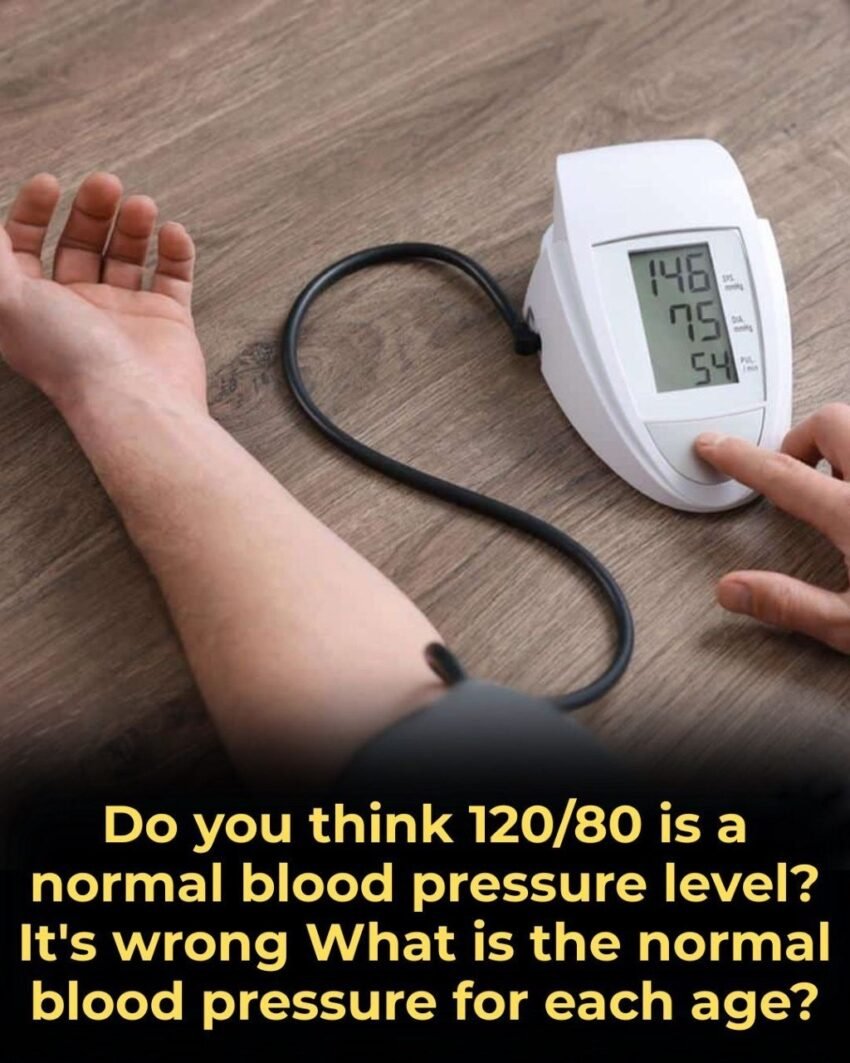
What Is Normal Blood Pressure for Each Age?
A Complete Guide by Age Group
Blood pressure (BP) is the force of blood pushing against the walls of your arteries. It’s one of the most important indicators of heart health. Blood pressure naturally changes with age, but “normal” ranges are more about overall cardiovascular risk than just your age.
Blood pressure is measured using two numbers:
- Systolic (top number): Pressure when the heart beats
- Diastolic (bottom number): Pressure when the heart rests between beats
Example: 120/80 mmHg
Understanding Blood Pressure Categories (Adults)
According to major heart health guidelines, blood pressure for adults (18+) is categorized as:
| Category | Systolic | Diastolic |
|---|---|---|
| Normal | Less than 120 | Less than 80 |
| Elevated | 120–129 | Less than 80 |
| High (Stage 1) | 130–139 | 80–89 |
| High (Stage 2) | 140+ | 90+ |
| Hypertensive Crisis | 180+ | 120+ |
For most adults, normal blood pressure is below 120/80 mmHg, regardless of age.
Normal Blood Pressure by Age
While the ideal target remains under 120/80, average readings tend to increase slightly with age due to stiffening arteries and other factors.
👶 Infants (0–12 months)
- Normal: 70–100 systolic
- Diastolic: 50–65
Blood pressure in infants varies widely depending on size and development.
👦 Children (1–12 years)
Normal blood pressure in children depends on:
- Age
- Height
- Sex
Approximate averages:
| Age | Average BP |
|---|---|
| 1–5 years | 80–110 / 50–80 |
| 6–12 years | 90–120 / 60–80 |
Doctors use percentile charts for children rather than a fixed number.
👩🎓 Teens (13–17 years)
- Normal: Less than 120/80
- Elevated begins similar to adult categories
By age 13, adult guidelines are typically applied.
👨 Adults (18–39 years)
- Ideal: Below 120/80
- Common average: Around 110–120 / 70–80
High blood pressure in this group is often linked to:
- Obesity
- Stress
- Smoking
- Sedentary lifestyle
👩 Adults (40–59 years)
- Ideal: Below 120/80
- Common average: 120–130 / 70–85
Risk of hypertension increases due to:
- Artery stiffening
- Hormonal changes
- Weight gain
👴 Older Adults (60+ years)
- Ideal target (generally): Below 130/80
- Common average: 130–140 / 70–90
Doctors may individualize targets for seniors depending on:
- Fall risk
- Kidney function
- Other medical conditions
Some older adults naturally have slightly higher systolic numbers due to reduced artery elasticity.
What Is Too Low?
Low blood pressure (hypotension) is typically:
- Below 90/60
It may cause:
- Dizziness
- Fainting
- Blurred vision
- Fatigue
However, some people naturally have low BP without symptoms and are healthy.
Why Blood Pressure Increases With Age
As you age:
- Arteries stiffen
- Plaque builds up
- Hormonal changes occur
- Physical activity often decreases
These factors raise systolic pressure over time.
When to See a Doctor
Seek medical care if you have:
- Consistent readings above 130/80
- Readings above 180/120 (emergency)
- Symptoms like chest pain, shortness of breath, severe headache, or vision changes
How to Maintain Healthy Blood Pressure
Regardless of age:
✔ Maintain a healthy weight
✔ Reduce salt intake
✔ Exercise regularly (150 minutes/week recommended)
✔ Limit alcohol
✔ Avoid smoking
✔ Manage stress
✔ Get regular checkups
Key Takeaways
- Normal adult blood pressure is less than 120/80 mmHg.
- Children have age- and height-based ranges.
- Blood pressure tends to rise gradually with age.
- Targets may vary slightly for seniors based on health status.
- Consistently high readings require medical attention.
If you’d like, I can also provide:
- A printable blood pressure chart
- Blood pressure by gender
- Blood pressure during pregnancy
- Or tips for lowering blood pressure naturally
