It sounds like you’re referring to a health warning when hands “fall asleep” (numbness, tingling, or pins-and-needles sensation). Here’s a detailed article explaining what it could mean:
If Your Hands Fall Asleep, It Could Be a Clear Sign That You Have…
Occasional “falling asleep” of the hands is usually harmless. Maybe you slept on your arm wrong or stayed in one position too long. But frequent or prolonged numbness, tingling, or weakness in the hands can indicate an underlying health issue that should not be ignored.
Common Causes of Hands Falling Asleep
1. Nerve Compression
Pressure on nerves can cause tingling or numbness:
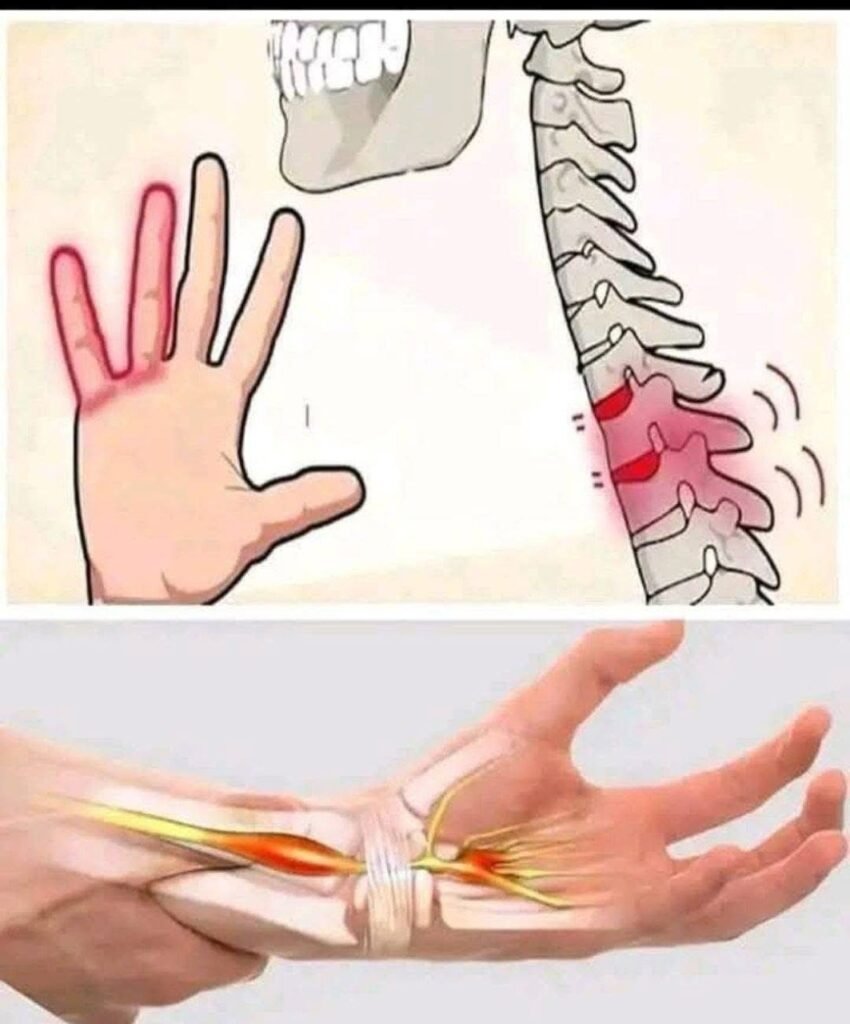
- Carpal Tunnel Syndrome – Compression of the median nerve in the wrist. Symptoms include numbness, tingling, or pain in the thumb, index, and middle fingers.
- Cubital Tunnel Syndrome – Compression of the ulnar nerve at the elbow, causing numbness in the pinky and ring fingers.
- Cervical Spine Issues – Herniated discs or bone spurs in the neck can compress nerves traveling to the hands.
2. Circulation Problems
Reduced blood flow can make your hands “fall asleep”:
- Peripheral Artery Disease (PAD) – Narrowed arteries can reduce blood flow to hands and fingers.
- Diabetes – Can lead to poor circulation and nerve damage (diabetic neuropathy).
3. Vitamin Deficiencies
Certain vitamins are essential for nerve health:
- Vitamin B12 deficiency – Can cause numbness, tingling, or a “pins and needles” sensation.
- Vitamin B6 excess or deficiency – Both too little and too much can affect nerves.
4. Repetitive Strain Injuries
Activities like typing, texting, or using vibrating tools can strain wrist and hand nerves. Over time, this can lead to persistent numbness or tingling.
5. Serious Conditions
Sometimes, hand numbness may indicate more serious issues:
- Stroke – Sudden numbness on one side of the body, often with weakness or facial drooping, is a medical emergency.
- Multiple Sclerosis (MS) – Can cause intermittent tingling, numbness, and muscle weakness.
- Peripheral Neuropathy – Nerve damage due to diabetes, autoimmune disorders, or toxins.
Warning Signs That Need Immediate Attention
Seek medical care if you experience:
- Sudden numbness or weakness in one hand or arm
- Difficulty speaking, facial drooping, or severe headache
- Persistent numbness lasting more than a few hours
- Pain, swelling, or color changes in the hand
How to Prevent Your Hands From Falling Asleep
- Maintain proper posture – Avoid resting elbows on hard surfaces for long periods.
- Take breaks from repetitive movements – Stretch your wrists and fingers regularly.
- Exercise and improve circulation – Regular cardio and strength training help maintain nerve and blood health.
- Eat a nutrient-rich diet – Include B vitamins, magnesium, and healthy fats.
- Avoid tight wrist accessories – Watches, bracelets, or gloves that compress nerves can worsen symptoms.
Bottom Line
While occasional numbness in your hands is usually harmless, frequent or prolonged “falling asleep” is a warning sign of nerve or circulation issues. Early detection and treatment are key to preventing long-term complications.
If these symptoms persist, consult a neurologist or primary care doctor for proper diagnosis.
If you want, I can also make a simple infographic showing 5 causes of hands falling asleep and what to do about each, which makes it easier to understand at a glance.
Do you want me to do that?
