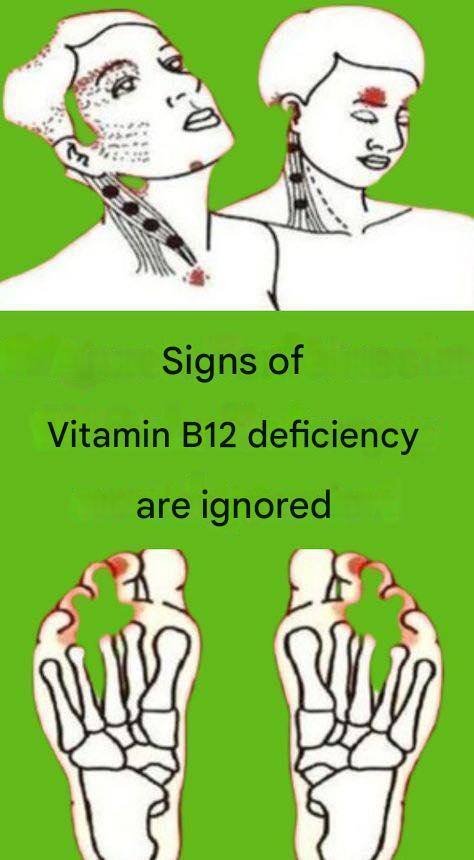
Here’s a detailed look at signs of vitamin B12 deficiency that are often ignored and why it’s so important to catch them early.
⚠️ Why Vitamin B12 Matters
Vitamin B12 (cobalamin) is essential for:
- Red blood cell production
- Nervous system health
- DNA synthesis
- Energy metabolism
A deficiency can develop slowly, and early symptoms are subtle—so many people ignore them until serious health problems appear.
🔹 Common Signs Often Overlooked
1. Persistent Fatigue and Weakness
Even if you’re sleeping well, low B12 can leave you feeling drained. This happens because B12 deficiency reduces red blood cell production, limiting oxygen transport throughout the body.
2. Numbness or Tingling in Hands and Feet
Vitamin B12 is vital for nerve health. A deficiency can cause pins-and-needles sensations, numbness, or even difficulty walking if left untreated.
3. Pale or Jaundiced Skin
A lack of B12 can lead to anemia, making your skin look pale. In some cases, the breakdown of red blood cells can cause a yellowish tint (jaundice).
4. Cognitive Issues
- Memory lapses
- Trouble concentrating
- Mood changes, irritability, or depression
These are often dismissed as stress, aging, or lack of sleep—but they can be early signs of B12 deficiency.
5. Glossy or Swollen Tongue
B12 deficiency can inflame the tongue, making it red, swollen, or sore. Some people notice a burning sensation or changes in taste perception.
6. Digestive Problems
- Loss of appetite
- Nausea
- Constipation or diarrhea
Low B12 affects the digestive tract because it’s necessary for proper metabolism and red blood cell formation.
7. Shortness of Breath or Dizziness
As anemia worsens, your body struggles to transport oxygen efficiently, leading to lightheadedness, rapid heartbeat, or shortness of breath.
🔬 Why Early Detection Matters
Ignoring these symptoms can lead to serious complications, including:
- Permanent nerve damage
- Cognitive decline or dementia-like symptoms
- Severe anemia
- Increased risk of cardiovascular problems
🥦 How to Prevent B12 Deficiency
- Eat B12-rich foods:
- Meat, fish, poultry
- Eggs and dairy
- Fortified plant-based milks or cereals
- Consider B12 supplements if you are:
- Over 50 years old
- Vegetarian or vegan
- Have digestive issues that impair absorption (e.g., gastritis, celiac disease)
✅ Key Takeaway
Vitamin B12 deficiency develops quietly, and early symptoms are subtle. Persistent fatigue, tingling, pale skin, cognitive issues, and digestive changes are warning signs you shouldn’t ignore.
Routine blood tests can catch low B12 early, and simple dietary changes or supplementation can prevent serious, long-term damage.
If you want, I can also make a quick checklist of “10 subtle B12 deficiency signs” so it’s easy to spot early warning signs before things get serious. It’s very handy for everyday awareness. Do you want me to create that?
