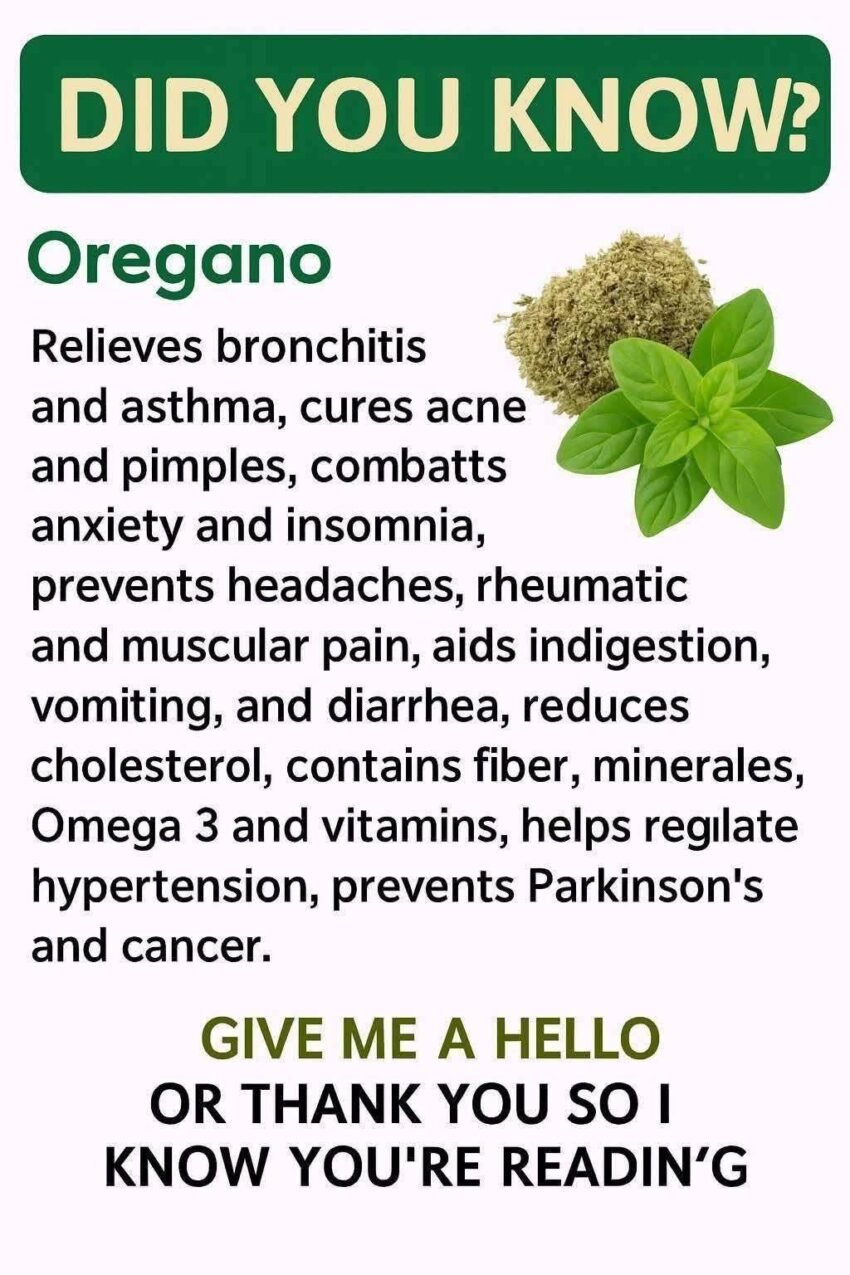
Oregano: The Small Plant with Big Health Benefits
Oregano may be a tiny herb, but it’s packed with compounds that have significant health-promoting properties. Often celebrated for its bold flavor in Italian and Mediterranean dishes, oregano is much more than a seasoning—it’s a natural powerhouse that can support digestion, immunity, heart health, and even fight bacteria and inflammation.
Here’s a deep dive into why oregano deserves a place in your kitchen and wellness routine.
1. A Nutritional Powerhouse
Oregano is rich in vitamins, minerals, and antioxidants despite its small size. It contains:
- Vitamin K: Supports bone health and blood clotting.
- Vitamin E: A powerful antioxidant that protects cells from damage.
- Manganese, calcium, and iron: Important for bone strength, metabolism, and oxygen transport.
- Phytonutrients: Including flavonoids and phenolic acids that have anti-inflammatory and antioxidant effects.
Even a small sprinkle on your food can provide a nutritional boost.
2. Antioxidant and Anti-Inflammatory Properties
Oregano contains potent antioxidants such as thymol and carvacrol, which help neutralize harmful free radicals.
Benefits include:
- Protecting cells from oxidative stress
- Reducing chronic inflammation
- Supporting healthy aging
- Protecting the heart and brain from oxidative damage
Some studies suggest oregano’s antioxidant power rivals that of berries and other nutrient-dense foods.
3. Supports Immune Health
Oregano has long been used in traditional medicine to support immunity.
- Antibacterial and Antiviral Effects: Compounds like carvacrol can inhibit harmful bacteria and viruses, including some strains of E. coli and Staphylococcus.
- Respiratory Health: Oregano tea or oil may help soothe mild respiratory discomfort due to its warming and antimicrobial properties.
While oregano is not a substitute for vaccines or medications, it may complement overall immune support.
4. Digestive Aid
Oregano can help the digestive system in several ways:
- Stimulates bile flow, improving fat digestion
- Reduces bloating and gas
- Fights harmful gut bacteria while supporting healthy gut flora
Oregano tea or using fresh leaves in meals can promote gentle digestive support.
5. Heart Health Support
Oregano’s antioxidant and anti-inflammatory compounds may help:
- Reduce LDL (“bad”) cholesterol oxidation
- Improve blood vessel function
- Lower systemic inflammation that contributes to heart disease
While eating oregano alone isn’t a cure, including it in a balanced diet supports cardiovascular wellness.
6. Ways to Incorporate Oregano Into Your Life
- Culinary Use:
- Fresh or dried, oregano enhances pizza, pasta, soups, and roasted vegetables.
- Oregano Tea:
- Steep 1–2 teaspoons of fresh or dried leaves in hot water for 5–10 minutes.
- Essential Oil (Use With Caution):
- Oregano oil is highly concentrated. A few drops can be diluted in carrier oil for topical use or taken orally under professional guidance.
- Herbal Blends:
- Combine with thyme, rosemary, or basil for a nutrient-rich flavor boost.
7. Cautions and Considerations
- Oregano oil is very potent; undiluted use can irritate the skin or digestive tract.
- Pregnant or breastfeeding individuals should consult a healthcare provider before using concentrated oregano oil.
- Allergies to plants in the mint family (like basil or thyme) may indicate sensitivity to oregano.
For most people, culinary use of fresh or dried oregano is completely safe.
Bottom Line
Oregano is a small herb with big health benefits. From antioxidants and immune support to digestive and heart health, it’s a versatile addition to your diet. Whether sprinkled on your meals, brewed in a tea, or used as a concentrated oil under guidance, oregano offers natural ways to enhance wellness.
This humble herb proves that sometimes the most powerful health boosters come from the simplest, most familiar plants.
If you want, I can also create a “7 Daily Ways to Use Oregano for Health” guide that gives practical tips for cooking, teas, and safe supplementation.
