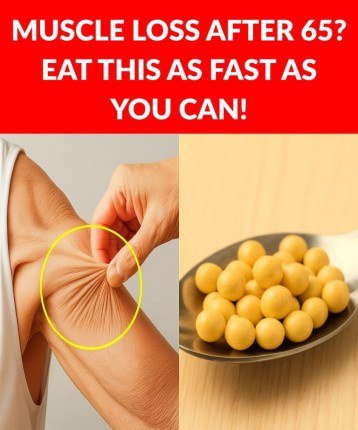
Here’s a detailed, comprehensive article on foods that help strengthen muscles in older adults:
Strengthening Muscles in Old Age: The Role of Nutrition
As we age, maintaining muscle mass and strength becomes critical for mobility, independence, and overall health. The natural decline in muscle, known as sarcopenia, can begin as early as the 40s and accelerates after 60. While regular resistance exercise is vital, nutrition plays an equally important role in preserving and building muscle. Choosing the right foods can help combat muscle loss and improve functional strength.
1. High-Quality Protein Sources
Protein is essential for muscle repair and growth. Older adults often require more protein than younger adults due to reduced protein synthesis efficiency.
Best Sources:
- Lean meats: Chicken, turkey, and lean cuts of beef or pork provide high-quality protein and essential amino acids.
- Fish: Salmon, mackerel, and sardines are rich in protein and omega-3 fatty acids, which may reduce inflammation and support muscle health.
- Eggs: Packed with complete proteins and nutrients like vitamin D and choline.
- Dairy products: Milk, Greek yogurt, and cheese offer protein, calcium, and vitamin D to support both muscles and bones.
- Plant-based proteins: Lentils, chickpeas, tofu, tempeh, and quinoa are excellent alternatives for vegetarians. Pairing plant proteins can ensure all essential amino acids are consumed.
2. Omega-3 Fatty Acids
Omega-3 fatty acids, found in fatty fish and some plant oils, may enhance muscle protein synthesis and reduce inflammation that can accelerate muscle loss.
Sources:
- Salmon, sardines, mackerel
- Flaxseeds, chia seeds, walnuts
- Fish oil supplements (if recommended by a healthcare provider)
3. Vitamin D-Rich Foods
Vitamin D is crucial for muscle function and balance. Deficiency is common in older adults and can contribute to muscle weakness.
Sources:
- Fatty fish (salmon, tuna, sardines)
- Fortified milk, yogurt, or orange juice
- Egg yolks
- Sunlight exposure also helps the body synthesize vitamin D
4. Calcium-Containing Foods
Calcium is necessary not just for bone health, but also for proper muscle contraction. Adequate calcium intake supports overall strength and reduces fall risk.
Sources:
- Dairy products (milk, cheese, yogurt)
- Leafy greens (kale, bok choy, collard greens)
- Fortified plant-based milk (soy, almond, or oat milk)
5. Foods Rich in Antioxidants
Oxidative stress contributes to muscle aging. Foods high in antioxidants can help protect muscle cells and improve recovery after exercise.
Sources:
- Berries (blueberries, strawberries, raspberries)
- Citrus fruits (oranges, grapefruits)
- Vegetables (spinach, broccoli, bell peppers)
- Nuts and seeds
6. Whole Grains and Complex Carbohydrates
Muscles need energy to function, especially during exercise. Whole grains provide complex carbohydrates for sustained energy, along with fiber and micronutrients.
Sources:
- Oats, quinoa, brown rice, barley
- Whole-grain bread and pasta
- Sweet potatoes
7. Hydration and Electrolytes
Dehydration can reduce muscle function and increase fatigue. Older adults should focus on adequate fluid intake throughout the day. Electrolytes such as potassium and magnesium are important for muscle contractions.
Sources:
- Water, herbal teas, and broths
- Bananas, oranges, spinach, and beans
- Nuts, seeds, and whole grains for magnesium
8. Practical Tips for Muscle-Friendly Nutrition in Old Age
- Eat Protein Throughout the Day: Divide protein intake across meals instead of one large serving.
- Pair Protein with Resistance Exercise: Combining strength training with protein-rich meals enhances muscle growth.
- Incorporate Variety: Include a mix of animal and plant proteins, healthy fats, fruits, vegetables, and whole grains.
- Consider Supplements if Needed: Vitamin D, protein powders, or omega-3s may be helpful under medical supervision.
- Limit Excess Sugar and Processed Foods: These can promote inflammation and reduce nutrient density.
Conclusion
Maintaining muscle mass and strength in old age is achievable with a combination of regular resistance exercise and a nutrient-dense diet. Prioritizing protein, omega-3s, calcium, vitamin D, antioxidants, and complex carbohydrates provides the building blocks for strong muscles. A balanced, colorful, and well-planned diet supports not only muscle health but also overall vitality and independence as we age.
If you want, I can also create a sample 7-day meal plan specifically designed for older adults to strengthen muscles, including exact protein portions and calorie targets.
Do you want me to make that?
