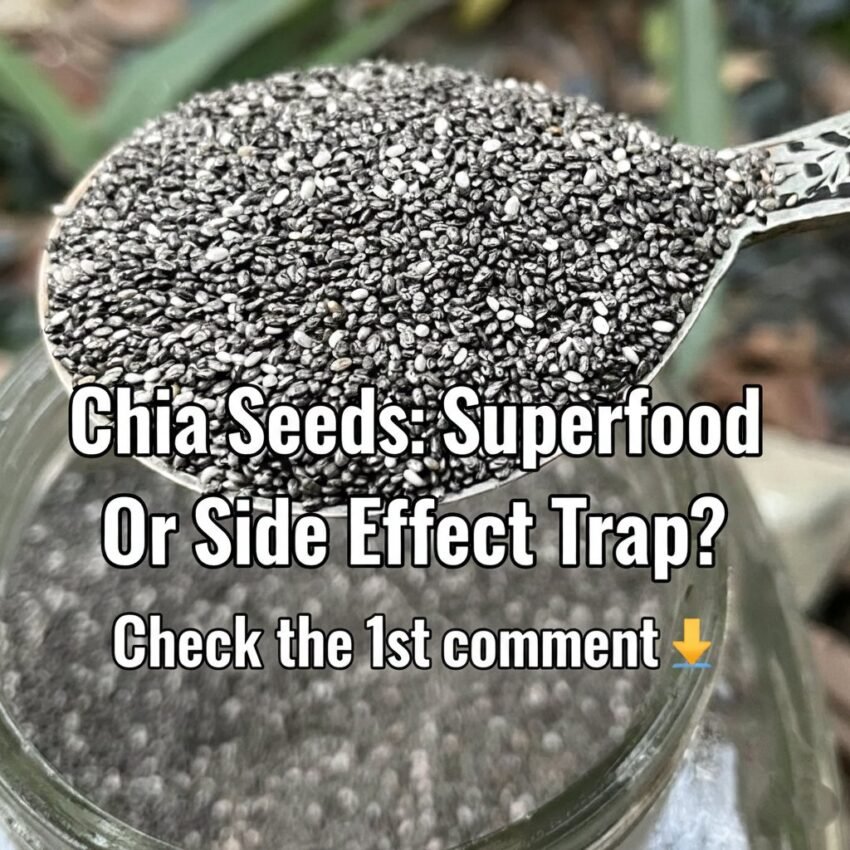
Here’s a comprehensive article on chia seed side effects:
6 Chia Seed Side Effects You Should Know About
Chia seeds have gained popularity as a “superfood” due to their high content of fiber, omega-3 fatty acids, protein, antioxidants, and minerals like calcium and magnesium. They are often added to smoothies, oatmeal, yogurt, and baked goods for a nutritional boost. However, despite their health benefits, chia seeds can cause certain side effects, especially when consumed in excess or without proper preparation.
1. Digestive Issues
Chia seeds are very high in soluble fiber. While fiber supports healthy digestion, too much can cause:
- Bloating
- Gas
- Abdominal discomfort
- Diarrhea or constipation
Tip: Start with small amounts (1–2 teaspoons) and gradually increase to allow your digestive system to adjust. Soaking chia seeds in water before eating can also help reduce digestive discomfort.
2. Choking Hazard
Dry chia seeds can absorb up to 12 times their weight in water. If eaten dry and then exposed to moisture in the throat, they can swell and become a choking hazard.
Tip: Always soak chia seeds for at least 10–15 minutes before consuming or mix them into wet foods like yogurt, smoothies, or puddings.
3. Blood Pressure and Blood Sugar Effects
Chia seeds may lower blood pressure and blood sugar levels. While this can benefit some people, it may cause problems in others:
- Individuals taking medications for hypertension may experience dangerously low blood pressure.
- People on diabetes medications may experience hypoglycemia (low blood sugar).
Tip: Consult your doctor if you have blood pressure or blood sugar issues before consuming large amounts of chia seeds.
4. Allergic Reactions
Although rare, some people may be allergic to chia seeds. Symptoms of an allergic reaction include:
- Rash or hives
- Itching
- Swelling of the lips, tongue, or throat
- Difficulty breathing
Tip: If you have a history of seed or nut allergies, try a small test amount first and monitor for any reactions.
5. Interaction with Medications
Chia seeds contain omega-3 fatty acids, which can have a mild blood-thinning effect. This may interact with:
- Anticoagulants (blood thinners like warfarin)
- Anti-platelet medications
- Certain blood pressure medications
Tip: Discuss chia seed consumption with your healthcare provider if you take these medications to avoid potential interactions.
6. Potential for Weight Gain if Overconsumed
While chia seeds are low in calories for their volume, they are calorie-dense and high in fats (healthy fats). Eating large amounts can contribute to excess calorie intake, potentially leading to weight gain if not balanced within your diet.
Tip: Stick to recommended servings—usually 1–2 tablespoons per day.
Conclusion
Chia seeds can be a nutritious addition to a balanced diet, offering fiber, protein, omega-3 fatty acids, and minerals. However, like any food, moderation is key. Proper preparation, gradual introduction, and awareness of personal health conditions can help you enjoy chia seeds safely while minimizing potential side effects.
If you want, I can also make a quick guide on how to eat chia seeds safely every day without side effects, including recipes and portion suggestions.
Do you want me to make that guide?
