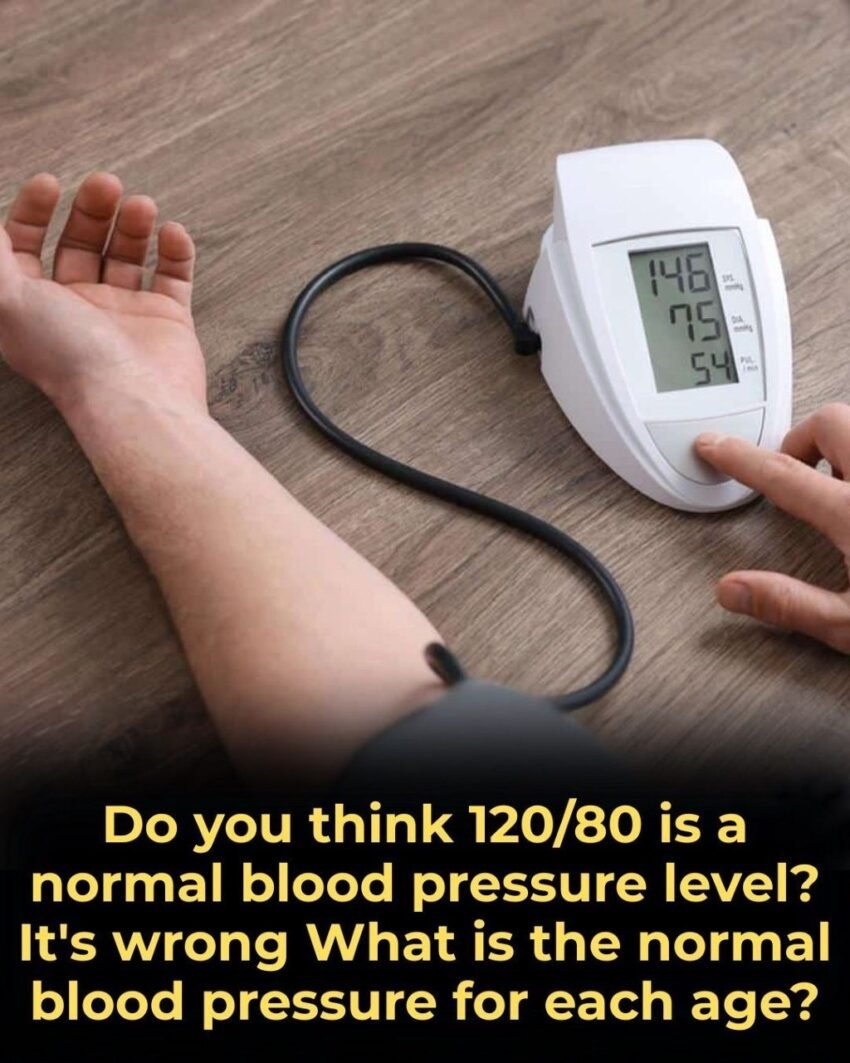
Normal blood pressure can vary slightly by age, but for most adults, anything under 120/80 mmHg is considered optimal.
Here’s a practical breakdown by age group (for healthy individuals):
🩺 Children & Teens
| Age | Normal Systolic | Normal Diastolic |
|---|---|---|
| 1–5 years | 80–110 | 50–80 |
| 6–12 years | 90–120 | 60–80 |
| 13–17 years | 100–130 | 65–85 |
👉 For children, “normal” depends on height, sex, and age percentiles, so pediatric charts are used.
🧑 Adults (18+ years)
| Category | Systolic (Top) | Diastolic (Bottom) |
|---|---|---|
| Normal | Less than 120 | Less than 80 |
| Elevated | 120–129 | Less than 80 |
| High (Stage 1) | 130–139 | 80–89 |
| High (Stage 2) | 140+ | 90+ |
These categories are based on guidelines from the American Heart Association.
👵 Older Adults (60+ years)
- Ideal target: Below 130/80 mmHg (if tolerated well)
- Some doctors may accept slightly higher readings depending on overall health.
Blood pressure naturally rises slightly with age due to stiffening arteries, but it should still generally stay below 130/80.
🚨 When to Seek Medical Help
- 180/120 mmHg or higher → Seek emergency care (possible hypertensive crisis)
- Consistent readings above 130/80 → Discuss with a healthcare provider
📌 Important Notes
- Blood pressure changes throughout the day.
- Stress, caffeine, pain, and exercise can temporarily raise it.
- Always measure after sitting quietly for 5 minutes.
If you’d like, tell me your age and recent readings, and I can help you understand what they mean.
