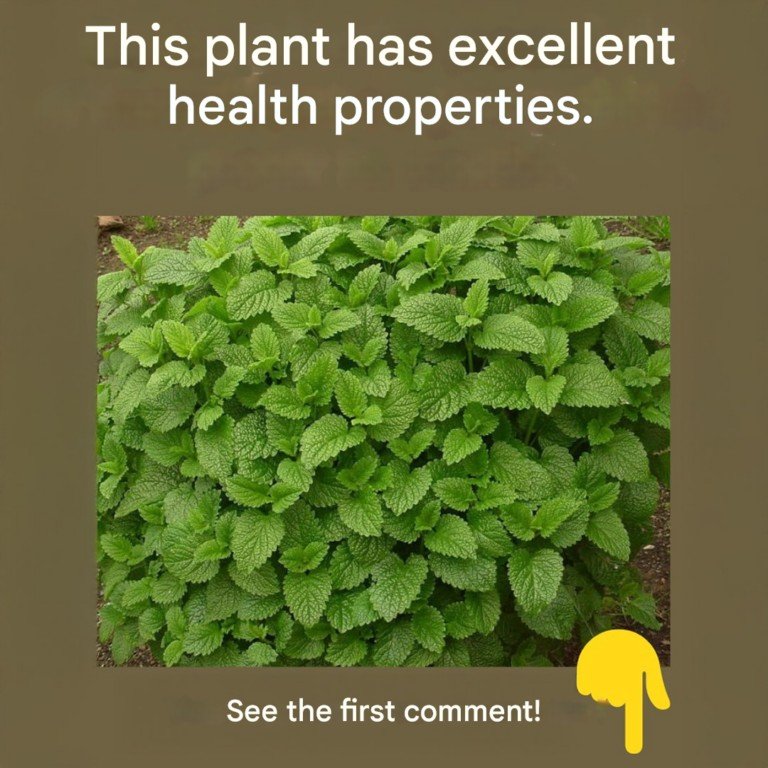
Melissa officinalis – A Treasure of Nature
In the quiet corner of many gardens grows a humble yet powerful plant: lemon balm. With its bright green leaves and fresh citrus fragrance, this ancient herb has earned a reputation as one of nature’s most comforting and versatile remedies. More than just a pleasant-smelling plant, lemon balm is truly a treasure of nature.
A Fragrant Gift from the Mint Family
Lemon balm belongs to the mint family (Lamiaceae), which explains its slightly textured leaves and vigorous growth. When you brush against it or gently crush a leaf between your fingers, it releases a soothing lemon scent that instantly refreshes the senses.
Native to southern Europe and the Mediterranean region, lemon balm has now spread across the world, thriving easily in gardens, pots, and even wild landscapes.
A History Rooted in Healing
For more than 2,000 years, lemon balm has been valued in traditional medicine. Ancient Greek physicians praised it for its calming properties, while medieval herbalists believed it could “gladden the heart.”
Throughout history, it has been used to:
- Ease stress and nervous tension
- Support restful sleep
- Soothe digestive discomfort
- Calm headaches
- Promote emotional balance
Its long-standing reputation as a gentle yet effective herb makes it one of the most trusted natural remedies in herbal traditions.
Natural Calm for the Mind
One of lemon balm’s most celebrated benefits is its ability to promote relaxation. Herbal teas made from its leaves are often used to reduce anxiety and restlessness.
Modern research suggests that compounds in lemon balm may help increase levels of calming neurotransmitters in the brain, supporting a more peaceful state of mind. Many people drink lemon balm tea in the evening to unwind after a long day.
Gentle Support for Digestion
Lemon balm is also known for soothing the digestive system. It may help relieve:
- Bloating
- Mild stomach cramps
- Indigestion
- Gas
Its mild antispasmodic properties help relax the digestive tract, making it especially helpful after heavy meals.
Immune and Antiviral Properties
Lemon balm contains natural antioxidants and antiviral compounds. It has traditionally been used topically to help with cold sores and minor skin irritations. Its antimicrobial properties make it a valuable addition to natural wellness routines.
Easy to Grow, Easy to Love
One of lemon balm’s greatest gifts is how effortlessly it grows. It:
- Thrives in partial sun
- Requires moderate watering
- Spreads generously if not trimmed
Gardeners often describe it as both a blessing and a plant that needs gentle control, as it can quickly take over a garden bed.
Ways to Use Lemon Balm
This versatile herb can be enjoyed in many forms:
- Fresh or dried herbal tea
- Infused oils
- Tinctures
- Aromatic sachets
- Culinary flavoring for salads and desserts
Its mild lemon flavor pairs beautifully with honey, mint, and chamomile.
A True Treasure of Nature
In a world filled with complex remedies and synthetic solutions, lemon balm stands out for its simplicity. It offers calm without heaviness, support without harshness, and fragrance without artificiality.
A simple bush of lemon balm in your garden is more than decoration — it is a living pharmacy, a natural mood-lifter, and a reminder that sometimes the most powerful remedies are the gentlest ones.
If you’d like, I can also provide a recipe for lemon balm tea, syrup, or calming sleep blend.
