Here is a clear, detailed guide you can use:
What Is the Normal Blood Pressure for Each Age?
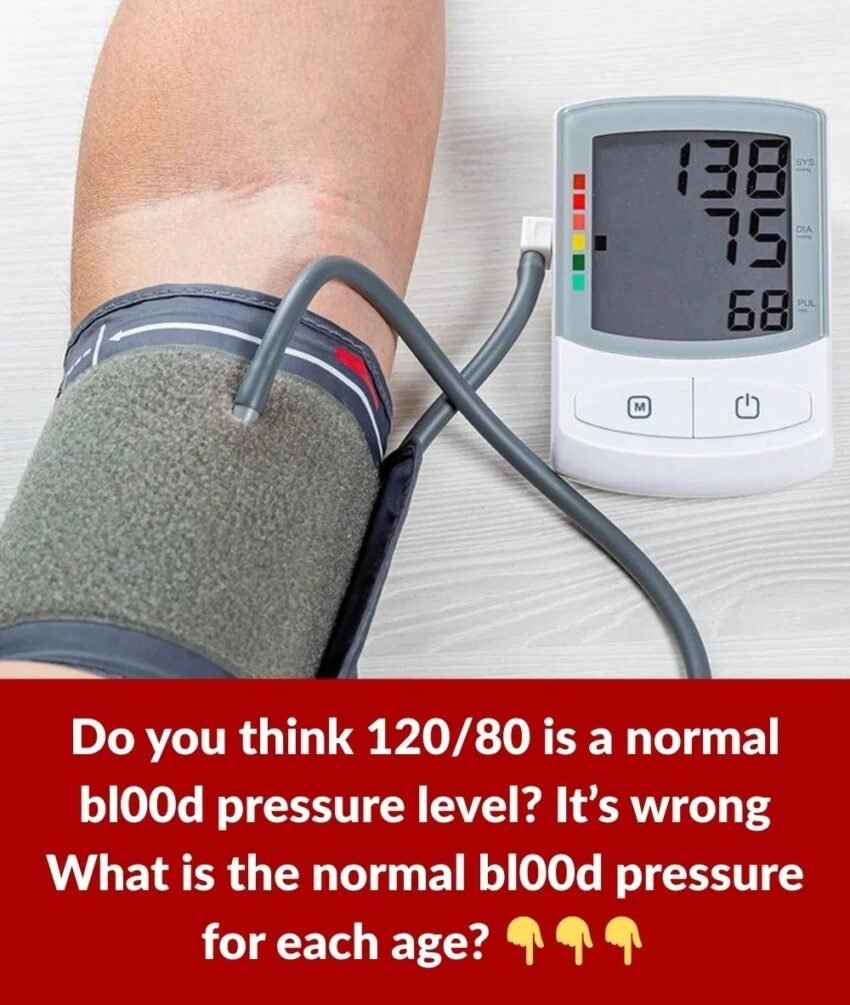
Blood pressure (BP) measures the force of blood pushing against artery walls. It’s written as:
Systolic / Diastolic
- Systolic (top number): Pressure when the heart beats
- Diastolic (bottom number): Pressure when the heart rests between beats
Blood pressure changes with age, but “normal” values do not increase dramatically just because you’re older. Healthy targets are generally similar for most adults, with slight flexibility in seniors depending on overall health.
General Blood Pressure Categories (Adults)
According to major heart health organizations:
- Normal: Below 120 / 80 mmHg
- Elevated: 120–129 / below 80
- High Blood Pressure (Stage 1): 130–139 / 80–89
- High Blood Pressure (Stage 2): 140+ / 90+
- Hypertensive Crisis: 180+ / 120+ (medical emergency)
Normal Blood Pressure by Age Group
While targets are similar, typical averages shift slightly with age.
Children (6–12 years)
- Normal: ~90–110 / 55–75
(Varies by height and gender)
Teenagers (13–18 years)
- Normal: ~95–120 / 60–80
Young Adults (19–39 years)
- Ideal: Below 120 / 80
- Average: Around 110–120 / 70–80
Adults (40–59 years)
- Ideal: Below 120 / 80
- Common average: 115–125 / 70–85
Risk of high blood pressure increases during this stage due to:
- Weight gain
- Stress
- Hormonal changes
- Reduced activity
Seniors (60+ years)
For healthy older adults:
- Target: Below 130 / 80 (if tolerated well)
- Acceptable range in some cases: Below 140 / 90
Doctors sometimes allow slightly higher systolic pressure in older adults to prevent dizziness and falls — especially in frail individuals.
Important Note About Seniors
As we age:
- Arteries stiffen
- Systolic pressure (top number) tends to rise
- Diastolic pressure may stay the same or decrease
This can cause isolated systolic hypertension, where:
- Top number is high
- Bottom number is normal
This is common after age 60 and still needs management.
What Is Considered Too Low?
Low blood pressure (hypotension) is typically:
- Below 90 / 60
It may cause:
- Dizziness
- Fainting
- Blurred vision
- Weakness
In seniors, very low blood pressure increases fall risk.
Factors That Affect Blood Pressure at Any Age
- Stress
- Salt intake
- Dehydration
- Obesity
- Lack of exercise
- Smoking
- Diabetes
- Kidney disease
- Medications
Blood pressure also fluctuates during the day and can rise temporarily due to anxiety (“white coat hypertension”).
Best Blood Pressure for Longevity
Research consistently shows the healthiest long-term range for most adults is:
Around 110–120 systolic
And 70–80 diastolic
Without symptoms of dizziness or weakness.
When to See a Doctor
Seek medical advice if:
- Readings are consistently above 130 / 80
- You experience headaches, chest pain, or shortness of breath
- You feel dizzy or faint frequently
- Your readings suddenly change
Quick Reference Table
| Age Group | Normal Blood Pressure |
|---|---|
| Children | 90–110 / 55–75 |
| Teens | 95–120 / 60–80 |
| 19–39 | Below 120 / 80 |
| 40–59 | Below 120–130 / 80 |
| 60+ | Below 130 / 80 (individualized) |
Final Thoughts
There is no drastically different “normal” blood pressure just because of age.
The goal at almost every adult stage of life is:
✔ Keep it below 120–130 systolic
✔ Keep diastolic below 80
✔ Avoid both very high and very low extremes
If you’d like, I can also explain:
- The difference between systolic and diastolic risks
- Best foods to lower blood pressure naturally
- Or a printable blood pressure tracking chart
