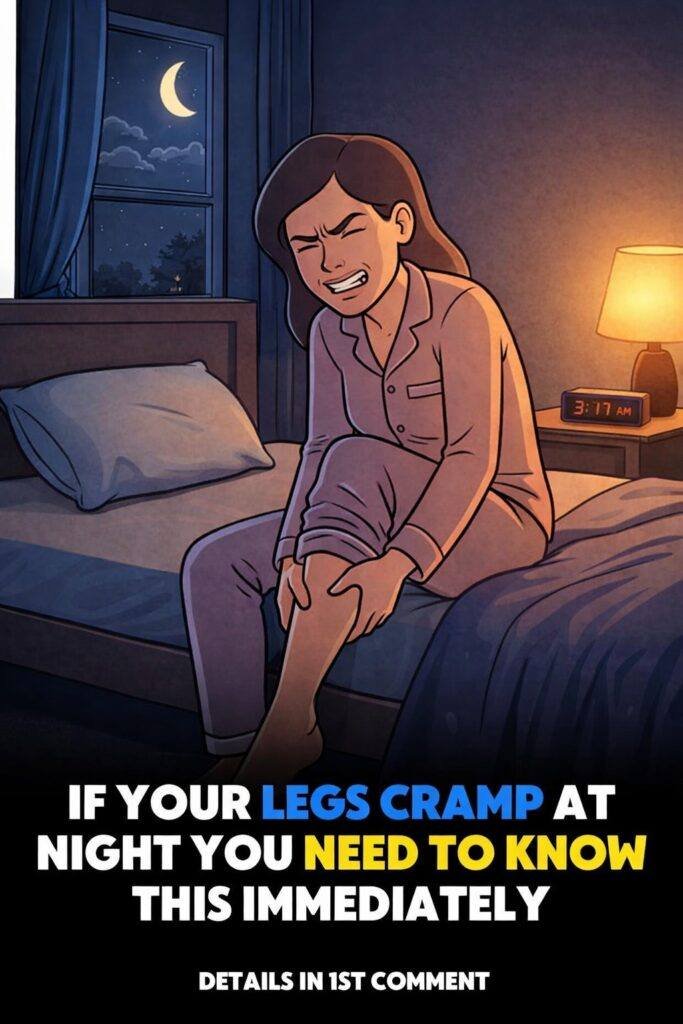
Here’s a comprehensive overview of who’s most at risk for night cramps (nocturnal leg cramps) — the painful, involuntary muscle spasms that often wake you from sleep. These don’t just happen randomly; certain factors and conditions can significantly raise your chances. (WebMD)
🧠 1. Age – The Biggest Risk Factor
The likelihood of nighttime leg cramps increases with age.
- Adults age 50+ experience cramps more often than younger people because muscles and tendons become less flexible and nerve signaling changes with age. (WebMD)
- Among people 65 and older, cramps can be even more frequent and intense due to reduced circulation and muscle degeneration. (huutri.org)
🤰 2. Pregnancy
Pregnant people are significantly more likely to experience nighttime leg cramps, especially in the second and third trimesters.
Possible contributors include:
- Increased weight putting pressure on leg muscles
- Changes in blood circulation
- Mineral imbalances (like lower magnesium or calcium)
Overall roughly 40–50 % of pregnant women report leg cramps at night. (WebMD)
💪 3. Muscle and Activity-Related Factors
These are lifestyle and activity patterns that make cramps more likely:
- Muscle fatigue or overuse — e.g., intense workouts without proper stretching. (Sleep Foundation)
- Prolonged standing or sitting — especially long shifts on hard floors or staying immobile during the day. (Sleep Foundation)
- Poor body positioning (feet pointed downward at night) can tighten calf muscles. (K Health)
🧂 4. Dehydration & Electrolyte Imbalances
Muscles need good hydration and a proper balance of electrolytes (potassium, magnesium, calcium, sodium) to contract and relax smoothly.
- Lack of fluids can upset this balance and cause spasms. (SPARSH Hospital)
- Imbalances may stem from diet, sweating, alcohol, or certain conditions. (SPARSH Hospital)
🩺 5. Chronic Health Conditions
Certain medical conditions are strongly linked to night cramps:
🔹 Diabetes
People with diabetes may experience cramps due to:
- Peripheral nerve damage (neuropathy)
- Poor blood flow (e.g., peripheral artery disease)
- Electrolyte shifts from fluctuating blood sugar
These can make cramps more frequent and severe. (WebMD)
🔹 Kidney Disease
Kidney dysfunction affects electrolyte balance and may cause cramps. (Mayo Clinic)
🔹 Thyroid Disorders
Both hypothyroidism and hyperthyroidism can alter muscle and nerve function. (Mayo Clinic)
🔹 Peripheral Neuropathy & Circulatory Problems
Nerve compression, spinal stenosis, or vascular disease reduces signal transmission and muscle oxygen, increasing cramp risk. (Mayo Clinic)
🔹 Liver Disorders
Conditions like cirrhosis may also be linked to cramps (often with broader symptoms). (Mayo Clinic)
💊 6. Medications That Can Trigger Cramps
Several drugs list leg cramps as a known side effect:
- Diuretics (“water pills”)
- Statins (cholesterol–lowering drugs)
- Some antidepressants
- Sleep aids
- Certain asthma meds
- Pain medications
You may notice cramps increase after starting or changing these medications. (WebMD)
💓 7. Less Common but Relevant Factors
These include:
- Alcohol use — especially in older adults. (Sleep Foundation)
- Inactivity or long periods seated — reduces blood flow and nerve signaling. (Sleep Foundation)
- Flat feet or foot/ankle structural issues — change how muscles work. (Best Practice Advocacy Centre)
📌 Summary — Who’s Most Vulnerable?
You’re at higher risk for night cramps if you:
✔ Are older (especially over 50–60)
✔ Are pregnant
✔ Have diabetes, thyroid or kidney issues
✔ Take certain medications
✔ Are dehydrated or have electrolyte imbalance
✔ Sit or stand for long periods
✔ Have poor circulation or nerve disorders
If you want, I can also give you practical steps to reduce night cramps — including things you can do before bed and lifestyle changes that help prevent them. Just let me know!
