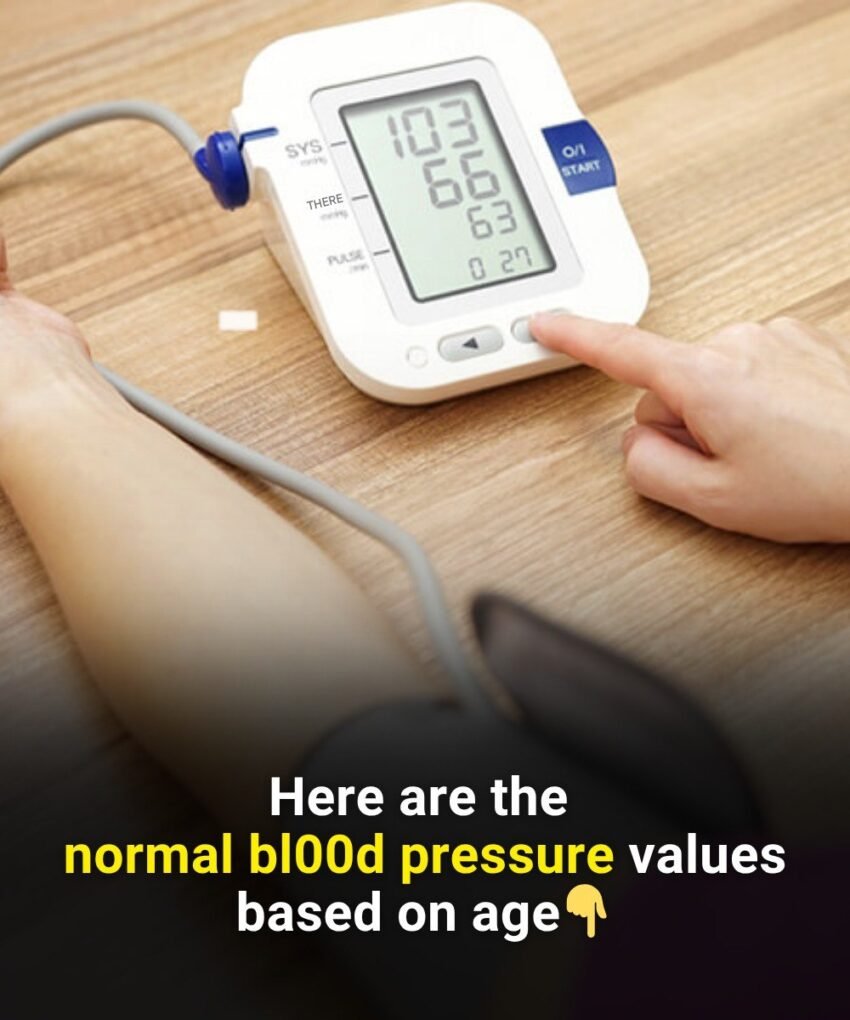
Blood pressure changes throughout life. What’s considered “normal” for a teenager isn’t the same as for someone in their 60s. Below is a complete, easy-to-understand guide to normal blood pressure values by age, including what the numbers mean and when to be concerned.
🩺 What Do Blood Pressure Numbers Mean?
A blood pressure reading has two numbers, measured in millimeters of mercury (mmHg):
- Systolic (top number): Pressure when the heart beats
- Diastolic (bottom number): Pressure when the heart rests between beats
Example: 120/80 mmHg
📊 Blood Pressure Categories for Adults (18+)
According to the American Heart Association, blood pressure is classified as:
| Category | Systolic | Diastolic |
|---|---|---|
| Normal | Less than 120 | Less than 80 |
| Elevated | 120–129 | Less than 80 |
| High (Stage 1) | 130–139 | 80–89 |
| High (Stage 2) | 140 or higher | 90 or higher |
| Hypertensive crisis | 180+ | 120+ |
⚠️ A hypertensive crisis requires immediate medical attention.
👶 Normal Blood Pressure by Age
🍼 Infants (0–12 months)
- Systolic: 70–100
- Diastolic: 50–65
👦 Children (1–12 years)
Normal BP depends on height, age, and sex, but general averages:
- Toddlers (1–3 years): 80–110 / 50–80
- Preschool (4–5 years): 85–115 / 55–80
- School age (6–12 years): 90–120 / 60–80
🧑 Teenagers (13–17 years)
- Similar to adults
- Normal: Less than 120/80
👨 Adults (18–39 years)
- Ideal: Below 120/80
- Slight increases may occur with lifestyle factors
👩 Adults (40–59 years)
- Often slightly higher due to arterial stiffening
- Aim for below 130/80
👴 Adults (60+ years)
- Many doctors aim for below 130–140 / 80–90, depending on overall health
- Treatment targets may vary based on frailty or medical conditions
📈 Why Blood Pressure Increases With Age
As we age:
- Arteries become less flexible
- Plaque buildup narrows vessels
- The heart works harder
This mainly raises systolic pressure.
🚨 When to See a Doctor
Seek medical advice if you have:
- Consistent readings above 130/80
- Readings below 90/60 with symptoms (dizziness, fainting)
- A single reading over 180/120
High blood pressure (hypertension) increases risk of:
- Heart disease
- Stroke
- Kidney disease
❤️ Tips to Maintain Healthy Blood Pressure
- Reduce salt intake
- Exercise regularly (150 minutes/week moderate activity)
- Maintain healthy weight
- Limit alcohol
- Stop smoking
- Manage stress
- Monitor at home if recommended
🔎 Important Notes
- Blood pressure varies during the day.
- One high reading does not mean you have hypertension.
- Always measure after 5 minutes of rest, seated upright.
- Use a properly fitted cuff for accuracy.
If you’d like, I can also provide:
- A printable BP chart
- Blood pressure ranges by gender
- Low blood pressure (hypotension) guide
- Blood pressure targets for specific conditions (diabetes, pregnancy, etc.)
