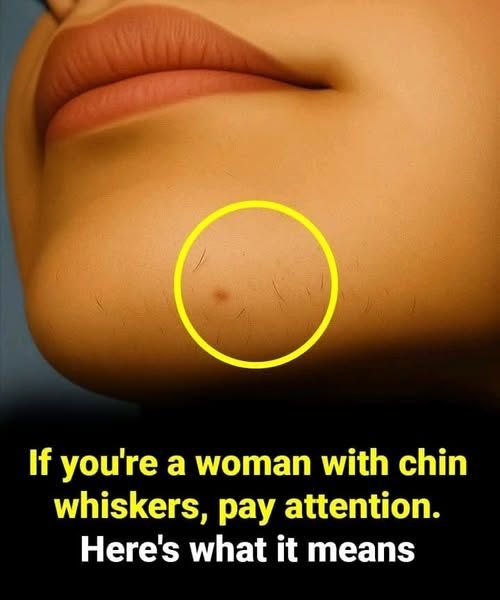
If you’re a woman noticing chin whiskers, it’s often more than just a cosmetic concern—it can signal hormonal, genetic, or lifestyle factors. Here’s a detailed breakdown of what you should know:
1. Why Women Get Chin Hair
a) Hormonal Imbalance
- Androgens (male hormones) like testosterone can increase facial hair growth.
- Causes include:
- Polycystic Ovary Syndrome (PCOS) – the most common cause in women of reproductive age
- Menopause – declining estrogen shifts the hormone balance
- Certain medications – steroids, hormone therapy, or birth control changes
b) Genetics
- Family history plays a big role. Some women naturally have more facial hair due to inherited traits.
c) Age & Menopause
- After 40–50, declining estrogen can make fine hair darker and more noticeable.
- This is completely normal but sometimes rapid changes warrant a check-up.
d) Other Medical Conditions
- Rare conditions like adrenal or ovarian tumors can raise androgen levels.
- Sudden, excessive hair growth (hirsutism) should be evaluated by a doctor.
2. What Chin Hair Can Signal
- Mild, gradual growth: Usually normal aging or genetics.
- Rapid or thick growth: May indicate hormonal imbalance (PCOS, thyroid issues, medication side effects).
- Accompanied by other symptoms: Irregular periods, acne, weight changes, or hair growth elsewhere should prompt a medical consultation.
3. Safe Ways to Manage Chin Hair
- Temporary removal:
- Tweezing
- Waxing
- Depilatory creams (patch test first)
- Longer-term:
- Electrolysis (permanent)
- Laser hair removal (works best on dark hair)
- Hormonal treatment:
- Birth control pills or anti-androgen medications may help in cases of PCOS or hormonal imbalance (prescribed by a doctor)
4. Lifestyle & Skincare Tips
- Maintain healthy weight and blood sugar – can improve hormonal balance.
- Gentle exfoliation and skincare reduce irritation from hair removal.
- Avoid harsh chemicals or repeated aggressive plucking, which can thicken hair over time in some cases.
⚠️ When to See a Doctor
- Rapid onset of coarse chin or facial hair
- Irregular menstrual cycles or sudden changes in weight
- Other signs of hormonal imbalance (acne, thinning scalp hair, mood changes)
A simple blood test for androgens, thyroid, and glucose can identify underlying causes.
✅ Bottom Line
- Chin whiskers in women are common, especially with age, genetics, or mild hormonal shifts.
- Sudden or excessive hair growth can indicate a hormone imbalance or health condition and should be evaluated.
- Safe management includes temporary removal, long-term treatments, and addressing underlying hormones if necessary.
If you want, I can also give a step-by-step daily routine and natural tips to reduce chin hair growth and prevent irritation without harsh chemicals.
Do you want me to make that guide?
