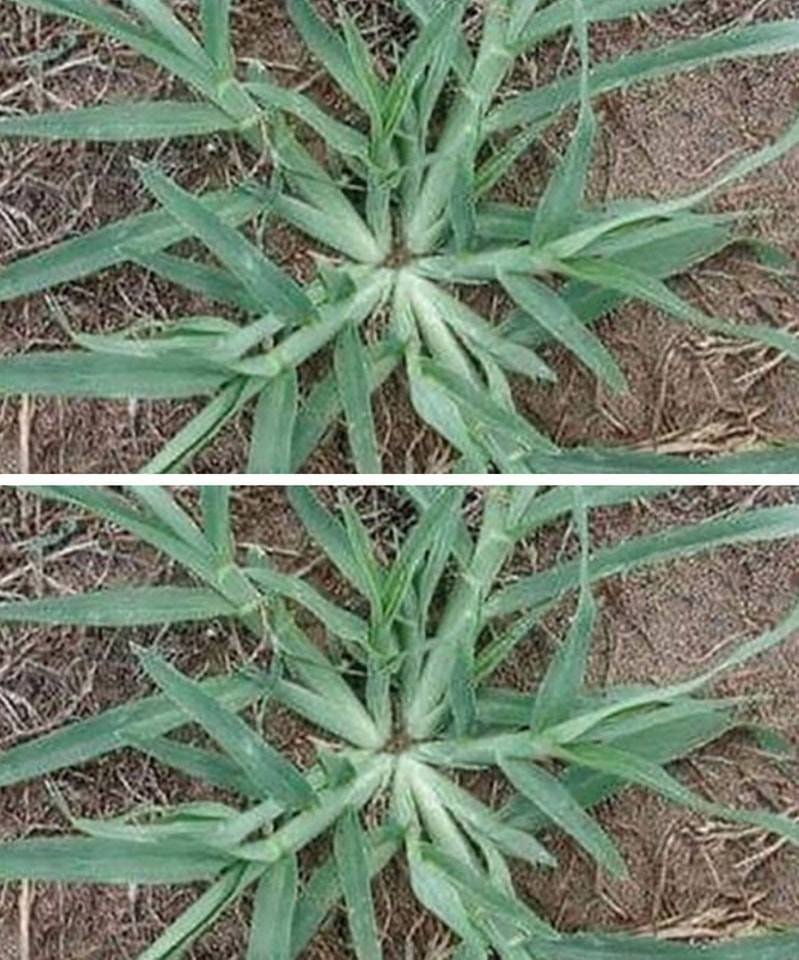
You’re talking about Portulaca oleracea, commonly known as purslane — and you’re absolutely right: many people pull it out as a weed without realizing how valuable it is.
It’s also nicknamed “cat’s tongue” and sometimes called “ephemeral” because it grows quickly and thrives in tough conditions.
🌿 Why You Shouldn’t Uproot Purslane
1️⃣ It’s Highly Nutritious
Purslane is actually considered a superfood. It contains:
- High levels of Omega-3 fatty acids (rare for plants!)
- Vitamins A, C, and E
- Magnesium, potassium, and iron
- Powerful antioxidants
In fact, it has more omega-3s than many leafy greens.
2️⃣ It Has Traditional Medicinal Uses
In traditional herbal medicine, purslane has been used to:
- Support heart health
- Help reduce inflammation
- Soothe digestive issues
- Aid wound healing (topically)
Some cultures also use it as a cooling herb during hot weather.
3️⃣ It’s Completely Edible
Leaves, stems, and even flowers are edible.
How it tastes:
Slightly tangy and lemony, with a crisp texture.
Ways to use it:
- Toss raw into salads
- Add to smoothies
- Sauté like spinach
- Mix into omelets
- Add to soups or stews
It’s popular in Mediterranean and Middle Eastern cuisine.
⚠️ Important: Don’t Confuse It With Spurge
Purslane is often mistaken for spurge, which is toxic.
How to tell the difference:
- Purslane has thick, succulent leaves and smooth reddish stems.
- When broken, purslane does NOT produce white milky sap.
- Spurge releases a white milky sap when snapped.
If you’re unsure, don’t consume it.
🌱 Bonus: It Improves Soil
Purslane:
- Helps prevent soil erosion
- Retains moisture
- Can act as a living ground cover
So next time you see this “weed” in your garden, you might actually be looking at one of the most nutrient-dense wild plants around.
If you’d like, I can also show you how to prepare it safely or share a simple purslane salad recipe.
