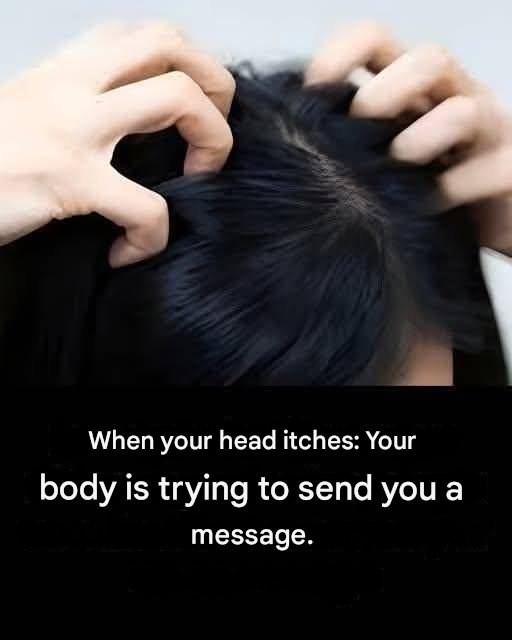
An itchy scalp is common and usually harmless — but sometimes it signals an underlying condition. Here’s a clear breakdown of the main causes, what they look like, and when to take action.
1) Dandruff (Seborrheic Dermatitis)
The most common cause of scalp itching.
- White or yellowish flakes
- Red, greasy patches
- Itchiness that worsens in cold weather or stress
It’s linked to an overgrowth of yeast (Malassezia) and excess oil production. Medicated shampoos with ketoconazole, zinc pyrithione, or selenium sulfide usually help.
2) Dry Scalp
Different from dandruff.
- Small, dry white flakes
- Tight, dry-feeling skin
- Often worse in winter
Caused by cold air, harsh shampoos, or overwashing. Switching to a moisturizing shampoo and reducing wash frequency can improve symptoms.
3) Psoriasis
An autoimmune skin condition.
- Thick, silvery scales
- Clearly defined red patches
- May extend beyond the hairline
Scalp psoriasis is related to Psoriasis, a chronic inflammatory condition. It often requires prescription treatments.
4) Contact Dermatitis (Allergic Reaction)
Triggered by hair dyes, shampoos, or styling products.
- Intense itching
- Redness or rash
- Burning sensation
A common trigger is para-phenylenediamine (PPD) in hair dye. Symptoms usually improve after stopping the offending product.
5) Head Lice
More common in children but possible at any age.
- Persistent tickling sensation
- Intense itching behind ears and at the nape
- Visible lice or tiny white eggs (nits)
Infestation with Pediculosis capitis requires medicated treatment.
6) Fungal Infection (Ringworm of the Scalp)
- Patchy hair loss
- Scaly, inflamed areas
- Possible swelling
Known medically as Tinea capitis, this condition needs oral antifungal medication.
7) Stress or Nerve-Related Itch
Sometimes there’s no visible rash.
Stress can worsen inflammatory skin conditions and trigger itch sensations even without obvious signs.
When to See a Doctor
Seek medical advice if you notice:
- Severe itching that doesn’t improve
- Hair loss
- Bleeding or crusting sores
- Signs of infection (swelling, pus, fever)
If you’d like, I can also provide:
- A quick self-check guide
- Treatment options by cause
- Natural remedies that may help
- Or help you figure out which cause best matches your symptoms
