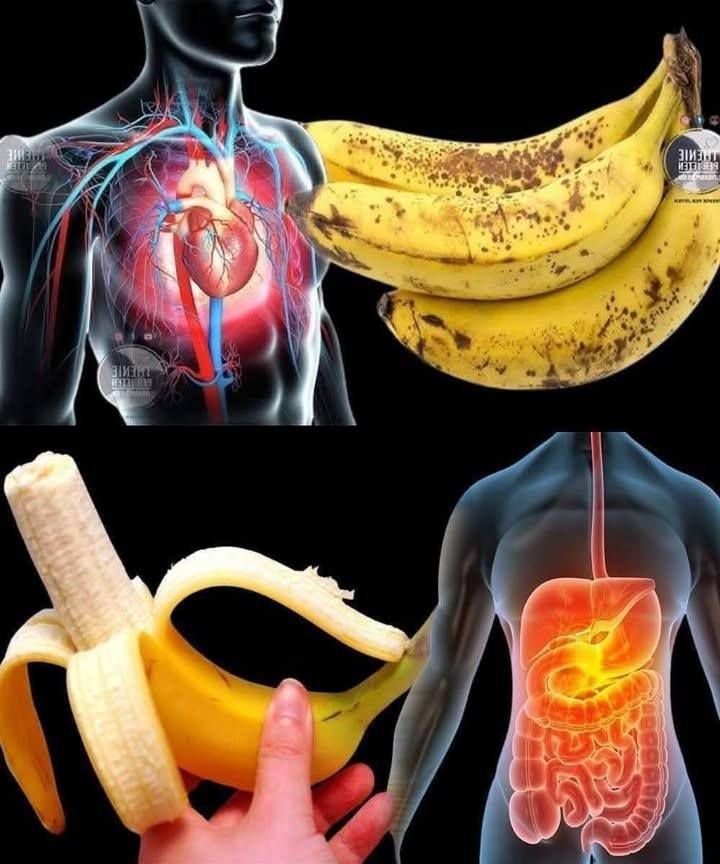
“Did you know that eating bananas increases…?” — these viral teasers usually leave out the full story.
Here’s what eating bananas can actually increase (based on real evidence):
1) Potassium Levels (A Good Thing)
Bananas are rich in potassium.
Higher potassium intake helps:
- Support heart function
- Regulate blood pressure
- Balance fluids
- Support muscle and nerve function
Adequate potassium may help reduce the risk of Hypertension.
2) Energy
Bananas contain natural sugars (glucose, fructose, sucrose) plus fiber.
This combination:
- Provides quick energy
- Sustains energy release
- Makes bananas popular before workouts
3) Blood Sugar (Temporarily)
Yes, bananas can increase blood sugar — like all carbohydrate foods.
However:
- They have moderate glycemic impact
- Riper bananas raise blood sugar more than green ones
- The fiber helps slow absorption
For most healthy people, this is normal and not harmful.
4) Fiber Intake
Bananas increase dietary fiber, which can:
- Improve digestion
- Support gut bacteria
- Help prevent constipation
In some people, eating too many may cause temporary bloating.
5) Serotonin Production (Indirectly)
Bananas contain tryptophan, which the body uses to produce serotonin (a “feel-good” neurotransmitter).
However, eating bananas does not directly cause a dramatic mood boost — that claim is often overstated.
What Bananas Do NOT Automatically Increase
- Belly fat
- Dangerous blood sugar spikes (in healthy people)
- Mucus production (a common myth)
- Weight gain by themselves
Weight gain depends on overall calorie balance, not one food.
When to Be Cautious
People with advanced kidney disease should monitor potassium intake because very high potassium levels can be dangerous.
If you want, tell me what claim you saw — I can fact-check that specific version for you.
