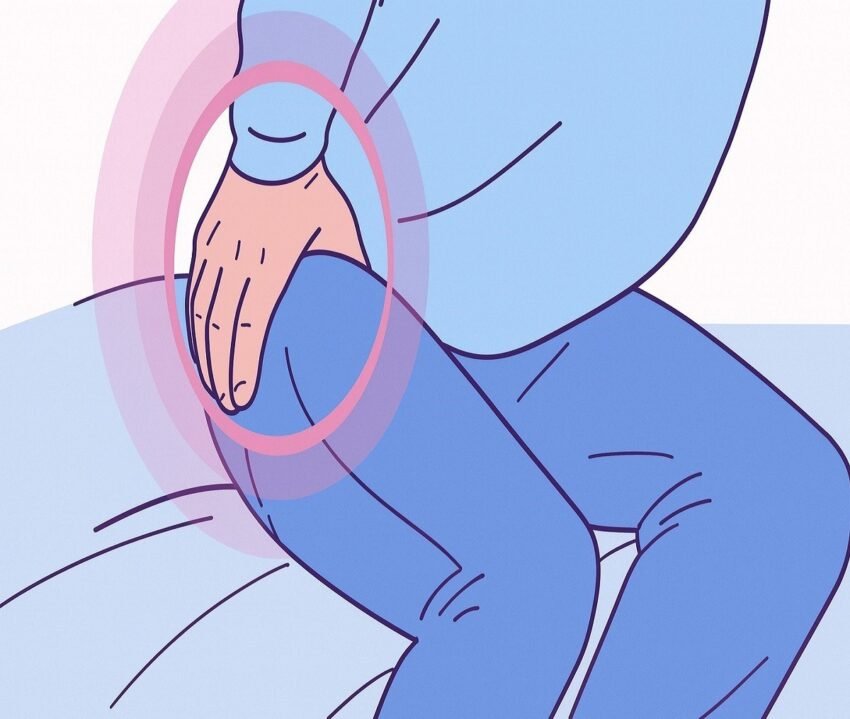
If you have hip pain, it’s a clear sign that something in or around your hip joint is irritated, inflamed, or under stress. Hip pain can have many causes, and understanding the source is key to treatment. Here’s a breakdown:
Common Causes of Hip Pain
- Arthritis
- Osteoarthritis or rheumatoid arthritis can wear down cartilage, leading to stiffness, swelling, and pain in the hip joint.
- Bursitis
- Inflammation of the fluid-filled sacs (bursae) that cushion the hip joint. Causes pain, especially when lying on the affected side or walking.
- Tendinitis or Muscle Strain
- Overuse or sudden movements can strain tendons and muscles around the hip, causing sharp or aching pain.
- Hip Fractures or Injury
- Common in older adults or after trauma. Immediate pain, swelling, and difficulty bearing weight are typical.
- Labral Tear
- The labrum is cartilage that stabilizes the hip joint. Tears can cause clicking, locking, or deep groin pain.
- Referred Pain
- Sometimes knee, lower back, or sciatic nerve issues can cause pain that feels like it’s coming from the hip.
Red Flags to Watch For
Seek medical attention if hip pain is accompanied by:
- Sudden severe pain or inability to walk
- Swelling, redness, or warmth over the joint
- Fever or signs of infection
- Numbness, tingling, or weakness in the leg
General Advice
- Rest and avoid activities that worsen pain
- Apply ice or heat to reduce inflammation
- Gentle stretching and low-impact exercise (like swimming) can improve mobility
- Maintain a healthy weight to reduce stress on the hip joint
Hip pain is a sign that your joint or surrounding tissues need attention. While mild discomfort can sometimes be managed at home, persistent, worsening, or severe pain should be evaluated by a healthcare professional to prevent long-term damage.
If you want, I can make a quick guide matching types of hip pain to likely causes and remedies, so you can tell at a glance what might be happening. That makes it very actionable.
Do you want me to make that guide?
