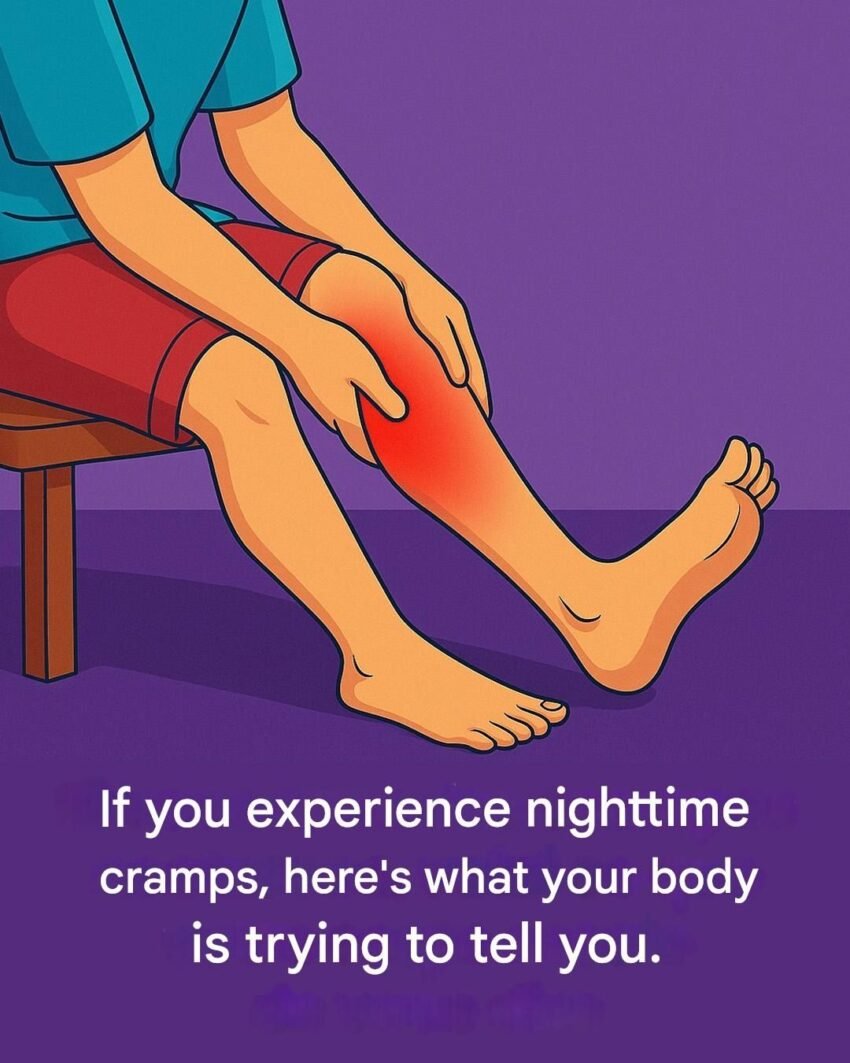
Night cramps (often called nocturnal leg cramps) are sudden, painful muscle contractions—most commonly in the calves or feet—that happen during sleep. They can last from a few seconds to several minutes and may leave the muscle sore afterward.
Why do night cramps happen?
There isn’t always one single cause, but common triggers include:
1. Muscle fatigue or overuse
Long days on your feet, intense workouts, or even unaccustomed activity can irritate muscles and make them more prone to cramping at night.
2. Prolonged sitting or poor circulation
Sitting for long periods or sleeping with feet pointed downward can shorten calf muscles and increase the chance of a cramp.
3. Dehydration
Low fluid levels can disrupt normal muscle contraction and relaxation.
4. Mineral imbalance
Low levels of:
- Magnesium
- Potassium
- Calcium
- Sodium
can contribute to abnormal muscle firing (though true deficiencies are less common than people think).
5. Nerve issues
Conditions affecting nerves (e.g., lumbar spine compression) can increase cramp frequency.
6. Certain conditions or life stages
- Pregnancy
- Diabetes
- Peripheral artery disease
- Thyroid disorders
- Aging (more common over 50)
7. Medications
Some diuretics, statins, and other medications may increase risk.
How to Prevent Night Cramps Naturally
Here are evidence-based, practical strategies:
1. Gentle stretching before bed
Especially calf stretches:
- Stand facing a wall, one leg back, heel on the floor.
- Hold 20–30 seconds per side.
- Repeat 2–3 times.
Regular stretching is one of the most effective preventive measures.
2. Stay hydrated
Drink fluids consistently throughout the day (not just before bed).
If you sweat heavily, consider electrolyte balance—not just plain water.
3. Magnesium (if appropriate)
Some people benefit from magnesium glycinate or citrate in the evening.
Always check with a healthcare professional if you:
- Have kidney disease
- Take medications
- Are pregnant
4. Light evening movement
A short walk or gentle cycling before bed improves circulation and reduces muscle stiffness.
5. Adjust sleep position
- Avoid tightly pointing toes downward.
- Try sleeping on your back with a pillow under your calves.
- Loosen tight blankets that push your feet downward.
6. Warm bath or heat
Heat relaxes muscles and improves blood flow before sleep.
7. Improve overall circulation
- Avoid long periods of immobility.
- Elevate legs briefly in the evening if you sit all day.
- Regular moderate exercise helps long term.
What to Do If a Cramp Happens
- Immediately stretch the muscle (flex foot upward toward your shin).
- Massage the area.
- Stand and put weight on the leg if safe.
- Apply heat after it releases.
When to See a Doctor
Seek medical advice if:
- Cramps are severe or very frequent.
- They’re only on one side with swelling/redness (could indicate a clot).
- You have muscle weakness or numbness.
- They started after a new medication.
If you’d like, tell me:
- Your age
- Any medications you take
- How often it happens
- Where the cramps occur
I can help you narrow down the most likely cause in your case.
