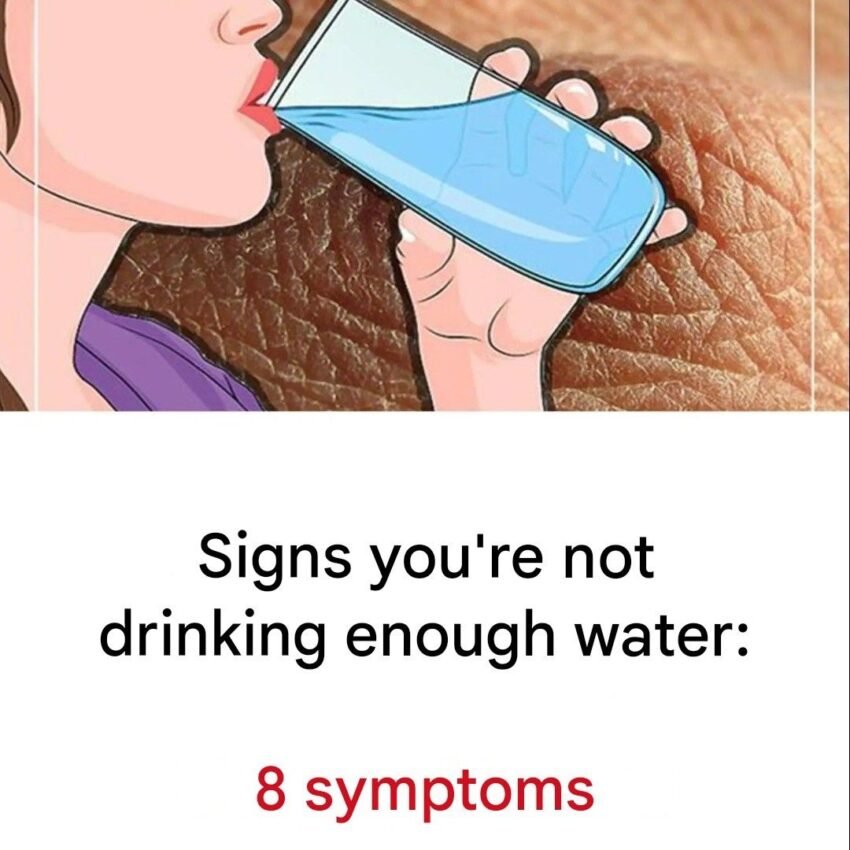
Not drinking enough water—dehydration—can affect nearly every system in your body. Even mild dehydration can make you feel off, and severe dehydration can become dangerous. Here’s a breakdown of what happens:
1. Immediate Effects
- Thirst and Dry Mouth: Your body signals you to drink by making you feel thirsty and causing dry lips and mouth.
- Decreased Urine Output: Kidneys conserve water, producing darker, more concentrated urine.
- Fatigue and Dizziness: Blood volume drops slightly, lowering blood pressure and reducing oxygen delivery to muscles and brain, causing tiredness or lightheadedness.
2. Digestive System
- Constipation: Lack of water slows down digestion and makes stool harder.
- Reduced Saliva Production: Digestive enzymes in saliva decrease, affecting food breakdown.
3. Circulatory System
- Lower Blood Volume: Blood thickens, making the heart work harder to pump oxygen and nutrients.
- Potential Drop in Blood Pressure: Can lead to dizziness or fainting in severe cases.
4. Brain and Nervous System
- Cognitive Impairment: Dehydration can affect concentration, memory, and alertness.
- Mood Changes: Even mild dehydration can make you irritable or anxious.
- Headaches: Reduced fluid in the brain and changes in blood flow can trigger headaches or migraines.
5. Muscles and Joints
- Muscle Cramps: Electrolyte imbalance due to water loss can cause cramping.
- Joint Discomfort: Synovial fluid (which cushions joints) decreases, leading to stiffness.
6. Kidneys and Urinary System
- Kidney Stress: Low water intake makes it harder for kidneys to remove waste, increasing the risk of kidney stones and urinary tract infections (UTIs).
7. Skin and Temperature Regulation
- Dry Skin: Less water reduces skin elasticity and hydration.
- Overheating: Sweating is impaired, making it harder to regulate body temperature during heat or exercise.
⚠️ Severe Dehydration
- Rapid heartbeat
- Very low blood pressure
- Confusion or delirium
- Fainting
- Shock or organ failure (if untreated)
💡 Tips to Stay Hydrated
- Drink water consistently throughout the day, not just when thirsty.
- Eat water-rich foods like cucumber, watermelon, oranges, and soups.
- Monitor urine color: pale yellow usually indicates adequate hydration.
- Increase intake during exercise, hot weather, or illness.
If you want, I can make a visual chart showing how dehydration affects each organ system—it’s surprisingly eye-opening! Do you want me to make that?
