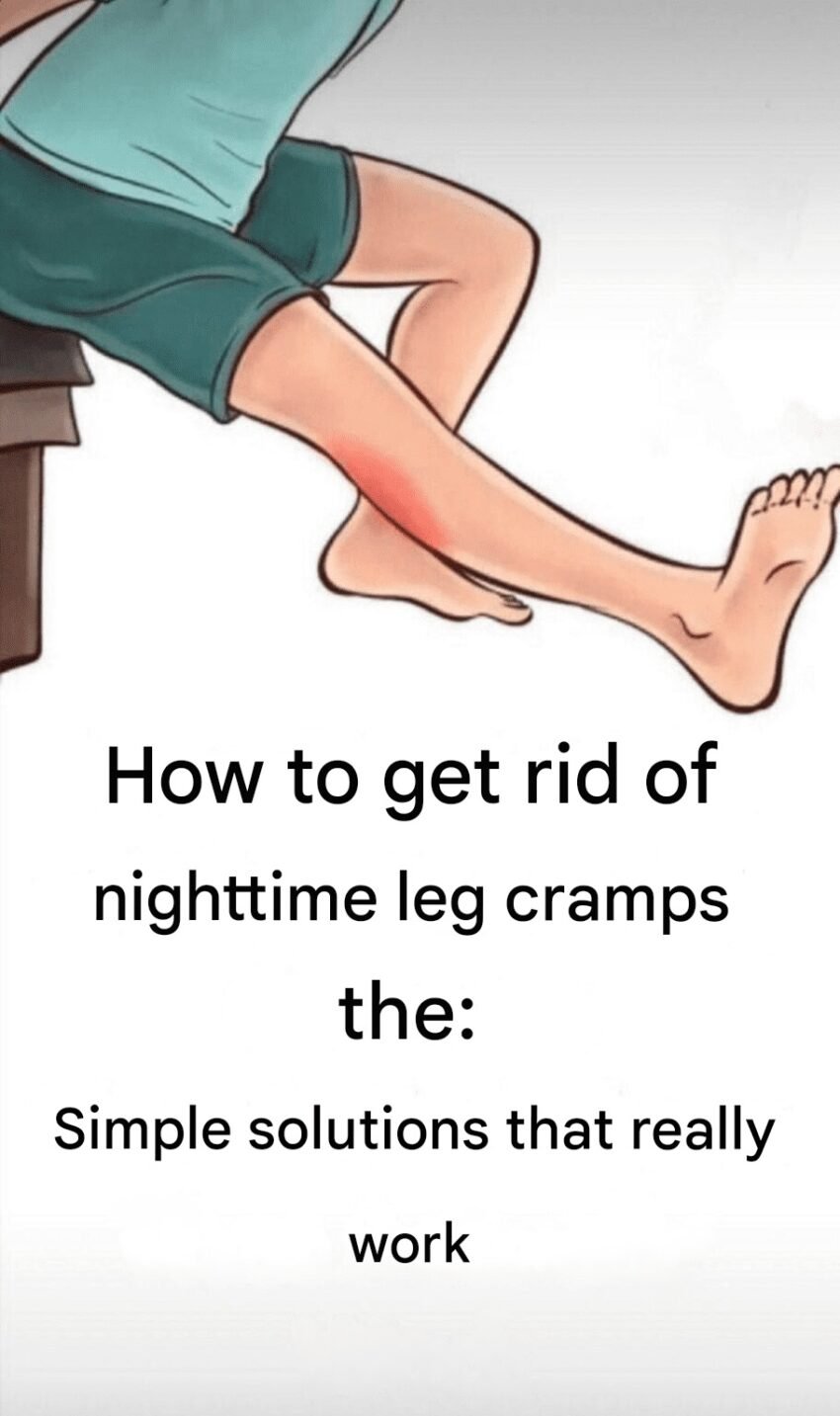
Here’s a full, practical article on managing nighttime leg cramps:
How to Get Rid of Nighttime Leg Cramps: Simple Solutions That Really Work
Waking up in the middle of the night with a sudden, painful leg cramp can be frustrating and disruptive. Nighttime leg cramps, also called nocturnal leg cramps, often affect the calves, thighs, or feet, and can last from a few seconds to several minutes. While the exact cause isn’t always clear, there are effective strategies to prevent and relieve them.
1. Stretch Before Bed
Tight muscles are a common trigger for cramps. Try gentle calf and hamstring stretches before sleeping:
- Stand facing a wall, place your hands on it, and step one leg back, keeping it straight. Press the heel down to stretch the calf.
- Sit on the floor with your legs straight, and reach toward your toes for a hamstring stretch.
Holding each stretch for 20–30 seconds can reduce nighttime cramp frequency.
2. Stay Hydrated
Dehydration can contribute to muscle cramps. Drink enough water throughout the day and consider hydrating with electrolyte-rich drinks if you’ve been sweating heavily.
3. Maintain Balanced Electrolytes
Low levels of magnesium, potassium, and calcium may increase cramp risk. Include foods such as:
- Bananas, oranges, and sweet potatoes (potassium)
- Leafy greens, nuts, and seeds (magnesium)
- Dairy products and fortified plant milks (calcium)
Supplements can help in some cases, but it’s best to consult a doctor before starting them.
4. Avoid Prolonged Sitting or Standing
Sitting or standing in one position for long periods can tighten muscles. Take short breaks to stretch or walk during the day to keep leg muscles relaxed.
5. Use Heat or Massage
Applying a warm compress or heating pad to your calves before bed can relax muscles. During a cramp, gentle massaging or stretching the affected muscle often brings immediate relief.
6. Wear Supportive Footwear
Proper footwear during the day supports leg muscles and prevents strain that can contribute to cramps at night. Avoid walking barefoot on hard surfaces for prolonged periods.
7. Adjust Your Sleeping Position
Avoid sleeping with your toes pointed downward, which shortens the calf muscles and may trigger cramps. Instead, try:
- Sleeping on your back with a pillow under your knees
- Sleeping on your side with legs slightly bent
8. Light Exercise and Strengthening
Regular low-impact exercise such as walking, swimming, or cycling can improve circulation and reduce cramp frequency. Strengthening exercises for the calves and hamstrings may also help.
9. Consider Medications (If Necessary)
In rare cases, persistent leg cramps may require medical evaluation. Your doctor may suggest medications if cramps are frequent and severe, especially if related to underlying conditions such as diabetes, nerve disorders, or circulatory issues.
10. Quick Relief During a Cramp
If a cramp strikes at night:
- Straighten your leg and gently flex your foot upward toward your knee.
- Massage the cramped muscle.
- Walk around or stand to stretch the muscle.
- Apply heat after the cramp subsides.
Conclusion
Nighttime leg cramps can be painful and disruptive, but with simple lifestyle adjustments—stretching, hydration, proper nutrition, and supportive sleeping positions—you can significantly reduce their frequency and severity. Being proactive and consistent with these strategies often makes a noticeable difference in comfort and sleep quality.
If you want, I can also make a “7-Step Quick Fix Guide for Nighttime Leg Cramps”, which is even shorter and reader-friendly, ideal for sharing online.
Do you want me to make that guide version too?
