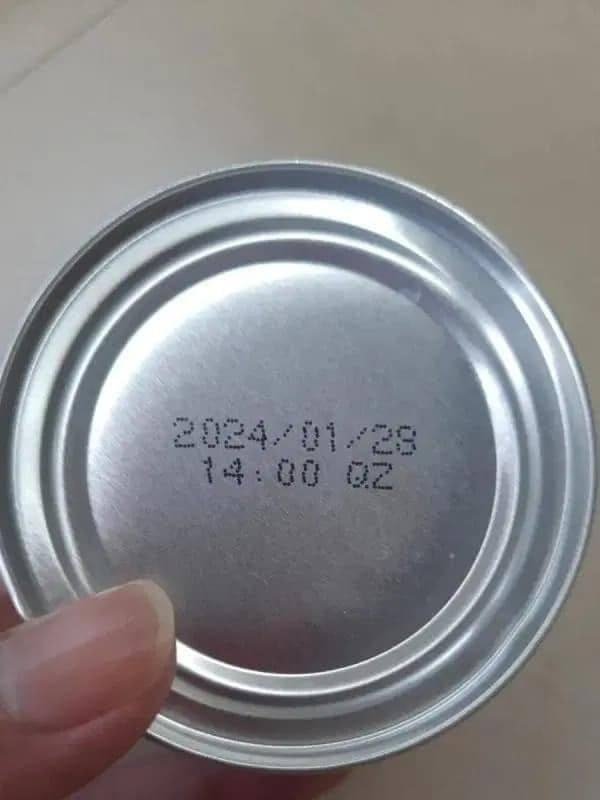
Here’s What You Need to Know About Food Expiration Dates
Food expiration dates can be confusing. Many people assume that once the date printed on a package passes, the food is no longer safe to eat. In reality, those dates are often misunderstood and do not always mean the food has spoiled or become dangerous. Understanding what these labels actually mean can help you make better decisions, reduce food waste, and save money.
Different Types of Date Labels
Food packages may include several different types of date labels, and each one has a different meaning.
“Best if Used By” or “Best Before”
This date refers to the quality of the product rather than safety. It indicates when the food will be at its best flavor, texture, or freshness. After this date, the product may gradually lose quality, but it is often still safe to consume if stored properly.
“Sell By”
This date is mainly intended for retailers. It tells stores how long they should display the product for sale to ensure customers receive it at peak quality. Consumers can usually still use the product after this date if it has been kept refrigerated or stored correctly.
“Use By”
This is typically the last date recommended for the best quality of the product. It is often found on more perishable items such as dairy products or prepared foods. While it may sometimes relate to safety, it still generally refers to quality unless specified otherwise.
Why Expiration Dates Exist
Manufacturers place these dates on food to help ensure customers experience the product at its best. Factors such as packaging, storage conditions, and ingredients influence how long a food will remain fresh. However, these dates are usually estimates based on testing, not exact deadlines when food suddenly becomes unsafe.
Foods That Often Last Longer Than the Date
Many foods remain safe well past the printed date if stored properly. Examples include:
- Dry goods like rice, pasta, and cereal
- Canned foods, which can last for years if the can remains sealed and undamaged
- Frozen foods, which can remain safe indefinitely when kept frozen, though quality may slowly decline
Signs That Food Has Actually Spoiled
Instead of relying solely on the printed date, it’s important to use your senses. Food that has spoiled often shows clear signs, such as:
- A sour or unpleasant smell
- Changes in color or texture
- Visible mold or unusual growth
- Bulging or leaking packaging
If any of these signs are present, it’s best to discard the food.
How to Make Food Last Longer
Proper storage can greatly extend the life of many foods. A few helpful tips include:
- Keep refrigerators at or below 4°C (40°F)
- Store dry foods in airtight containers
- Freeze items you won’t use soon
- Avoid leaving perishable foods at room temperature for long periods
Reducing Food Waste
Misunderstanding expiration dates contributes significantly to food waste worldwide. Millions of tons of edible food are thrown away each year simply because the date on the package has passed, even though the food is still safe to eat. Learning the difference between quality dates and safety warnings can help households reduce waste and make the most of their groceries.
The Bottom Line
Expiration dates are helpful guidelines, but they are not always strict safety deadlines. By understanding what these labels mean and paying attention to how food looks, smells, and tastes, you can make smarter decisions in the kitchen while avoiding unnecessary waste.
