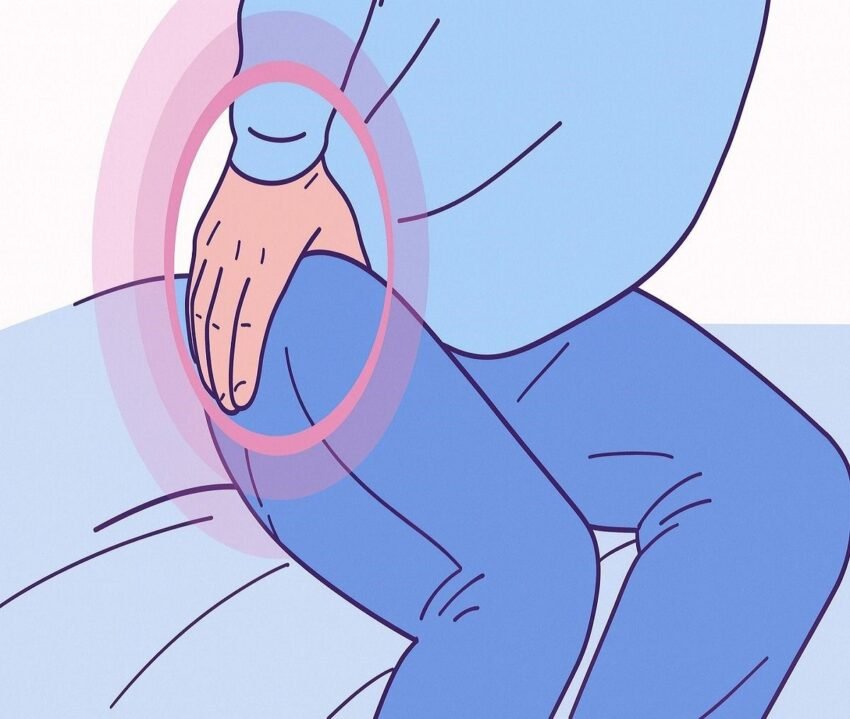
Here’s a detailed, medically informed explanation for hip pain and what it can indicate:
If You Have Hip Pain, It Could Be a Sign That…
Hip pain is common, especially as we age, and it can stem from many causes—from minor strains to serious underlying conditions. While occasional soreness isn’t always a major concern, persistent or severe hip pain should be evaluated by a doctor.
1. Arthritis or Osteoarthritis
One of the most common causes of hip pain, especially in adults over 50, is Osteoarthritis. This occurs when the cartilage in the hip joint wears down over time, causing:
- Pain during movement or after activity
- Stiffness in the morning or after sitting
- Reduced range of motion
Hip osteoarthritis often develops gradually and can affect daily activities like walking, climbing stairs, or bending.
2. Bursitis
Hip bursitis happens when the small fluid-filled sacs (bursae) that cushion your joints become inflamed. Signs include:
- Pain on the outside of the hip
- Discomfort when lying on the affected side
- Pain that worsens with activity
It’s often caused by repetitive motion, prolonged standing, or overuse.
3. Tendinitis or Muscle Strain
Tendons and muscles around the hip can get strained from exercise, sudden movement, or injury. Symptoms may include:
- Sharp pain with movement
- Swelling or tenderness
- Pain radiating to the thigh or groin
Athletes, gardeners, or people who lift heavy objects may be more prone to this.
4. Hip Fractures
In older adults, especially those with Osteoporosis, a minor fall can cause a hip fracture. Warning signs include:
- Sudden, severe hip or groin pain
- Difficulty or inability to walk
- Swelling or bruising
Hip fractures require immediate medical attention.
5. Referred Pain From the Lower Back
Sometimes hip pain isn’t from the hip at all. Conditions like Sciatica or herniated discs can cause pain that radiates to the hip and thigh. Symptoms include:
- Tingling or numbness down the leg
- Pain worsened by sitting or bending
- Weakness in the leg or foot
6. Infections or Inflammatory Conditions
Less commonly, hip pain can be caused by:
- Infections in the joint (septic arthritis)
- Inflammatory conditions like rheumatoid arthritis or lupus
These often come with additional symptoms such as fever, swelling, or redness.
When to See a Doctor
Seek prompt medical attention if you experience:
- Severe or sudden hip pain
- Pain after a fall or injury
- Inability to walk or bear weight
- Fever, redness, or swelling in the hip
- Persistent pain lasting more than a few weeks
A doctor may recommend X-rays, MRI, or blood tests to determine the cause and best treatment.
Bottom Line
Hip pain is a signal that something may be wrong—ranging from joint wear and tear to muscle strain or serious injury. While mild discomfort can sometimes improve with rest, exercise, or anti-inflammatory measures, persistent or severe hip pain should never be ignored. Early diagnosis can prevent worsening problems and help maintain mobility.
If you want, I can also create a complete guide on “10 Ways to Reduce Hip Pain at Home and When to Seek Medical Help” that combines exercises, lifestyle tips, and warning signs.
