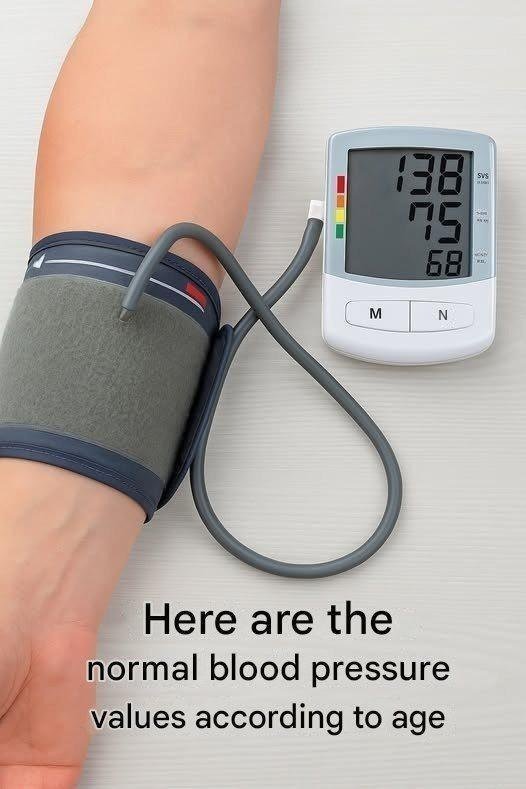
Normal Blood Pressure Values According to Age
Blood pressure is one of the most important indicators of heart health. It measures the force of blood pushing against the walls of the arteries as the heart pumps. Maintaining healthy blood pressure is essential to reduce the risk of heart disease, stroke, and other health problems such as Hypertension.
Blood pressure is recorded with two numbers:
- Systolic pressure – the pressure when the heart beats
- Diastolic pressure – the pressure when the heart rests between beats
For example, a reading of 120/80 mmHg means a systolic pressure of 120 and a diastolic pressure of 80.
Normal Blood Pressure by Age
Although healthy blood pressure can vary slightly from person to person, doctors generally use the following ranges as a guideline.
Children (6–13 years)
- Normal: 90–110 / 55–70 mmHg
Children typically have lower blood pressure than adults because their hearts and blood vessels are still developing.
Teenagers (14–19 years)
- Normal: 105–120 / 65–80 mmHg
Hormonal changes and growth during adolescence can cause mild fluctuations in blood pressure.
Young Adults (20–39 years)
- Normal: 110–125 / 70–80 mmHg
At this age, maintaining healthy habits such as exercise and balanced nutrition is important to keep blood pressure within the normal range.
Adults (40–59 years)
- Normal: 115–135 / 70–85 mmHg
Blood vessels may gradually lose some elasticity with age, which can lead to slightly higher blood pressure.
Seniors (60 years and older)
- Normal: 120–140 / 70–90 mmHg
For older adults, slightly higher readings can still be considered acceptable, but doctors often monitor blood pressure closely to prevent cardiovascular complications.
What Is Considered High Blood Pressure?
Doctors generally diagnose Hypertension when blood pressure readings consistently reach:
- 130/80 mmHg or higher
Persistent high blood pressure can increase the risk of:
- Heart disease
- Stroke
- Kidney damage
- Vision problems
Tips to Maintain Healthy Blood Pressure
Here are simple ways to help keep blood pressure within a healthy range:
- Eat a balanced diet rich in fruits and vegetables
- Limit salt intake
- Exercise regularly
- Maintain a healthy weight
- Avoid smoking and excessive alcohol
- Manage stress effectively
Final Thoughts
Blood pressure naturally changes as people age, but keeping it within a healthy range is crucial for long-term health. Regular checkups and healthy lifestyle choices can help detect problems early and reduce the risk of serious conditions like hypertension. Monitoring your blood pressure regularly is one of the simplest and most effective ways to protect your heart and overall well-being. ❤️
