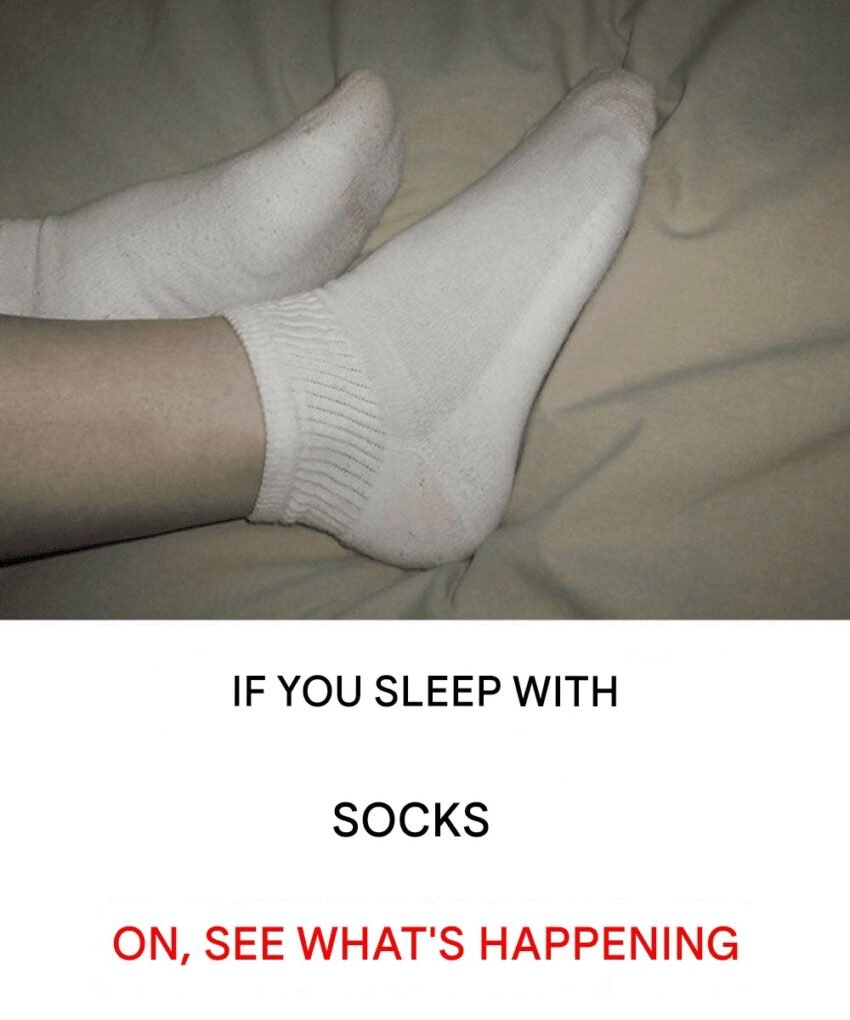
Seniors are often advised to wear socks even at home because aging changes how the body regulates temperature, circulation, balance, and skin health. Going barefoot may feel comfortable, but it can increase several health risks for older adults. Below is a comprehensive explanation of why socks are beneficial for seniors. 🧦
1. Better Blood Circulation
As people age, blood circulation in the feet becomes weaker. Cold floors can constrict blood vessels, reducing circulation even more.
Poor circulation can lead to:
- Cold feet
- Numbness
- Tingling
- Pain
Conditions like Diabetic neuropathy make this worse because nerves in the feet may already be damaged.
Why socks help:
- Maintain warmth
- Improve blood flow
- Reduce numbness and discomfort
2. Prevents Falls and Injuries
Falls are one of the most common causes of injury among seniors.
Walking barefoot can be dangerous because:
- Feet may slip on smooth floors
- Seniors often have weaker balance
- Feet may not feel small objects on the floor
Non-slip socks provide:
- Better grip
- Stability when walking
- Reduced fall risk
This is especially important on:
- Tile floors
- Marble
- Wooden flooring
3. Protects Fragile Skin
Aging makes skin thinner and more fragile, especially on the feet.
Barefoot walking can cause:
- Cuts
- Scratches
- Cracked heels
- Blisters
Even minor injuries can become serious infections in older adults.
Socks act as a protective barrier against:
- Rough surfaces
- Dust and dirt
- Small sharp objects
4. Helps Maintain Body Temperature
Older adults lose body heat faster than younger people.
Cold feet can contribute to overall body chilling and increase the risk of Hypothermia, especially in winter or air-conditioned homes.
Wearing socks:
- Keeps the body warmer
- Helps maintain stable body temperature
5. Supports People With Circulatory Disorders
Some seniors develop circulation conditions such as Raynaud’s disease, where blood vessels in fingers and toes tighten in cold temperatures.
Symptoms include:
- White or blue toes
- Numbness
- Pain
Warm socks help reduce these episodes.
6. Prevents Foot Cracking and Dryness
Feet tend to become dry with age because oil glands slow down.
Without socks:
- Moisture evaporates quickly
- Heels can crack
- Skin may bleed or become infected
Socks help:
- Lock in moisturizer
- Prevent dryness and heel cracks
A common routine doctors recommend:
- Apply foot cream before bed
- Wear cotton socks overnight
7. Improves Sleep Quality
Interestingly, wearing socks can also help seniors sleep better.
When feet are warm:
- Blood vessels dilate
- The body relaxes faster
- Sleep onset improves
Studies show warm feet can help people fall asleep faster.
8. Hygiene and Infection Prevention
Feet easily pick up:
- Bacteria
- Fungus
- Dust
Socks create a hygienic layer that keeps feet cleaner indoors.
For seniors with diabetes or circulation problems, this is especially important.
9. Provides Cushioning and Comfort
Many seniors experience loss of natural padding in the feet.
This can cause:
- Foot pain
- Pressure on bones
- Joint discomfort
Soft socks provide:
- Light cushioning
- Reduced pressure while walking
✅ Best types of socks for seniors
Look for socks that are:
- Non-slip grip socks
- Soft cotton or wool
- Seamless (prevents irritation)
- Loose-top socks (not tight around ankle)
- Moisture-wicking
Avoid:
- Tight elastic socks
- Very thin socks on slippery floors
💡 Simple rule:
For seniors, warm, protective, non-slip socks are safer than walking barefoot indoors.
If you want, I can also show you 7 common foot mistakes seniors make at home that doctors warn about (some are surprisingly risky). 🦶
