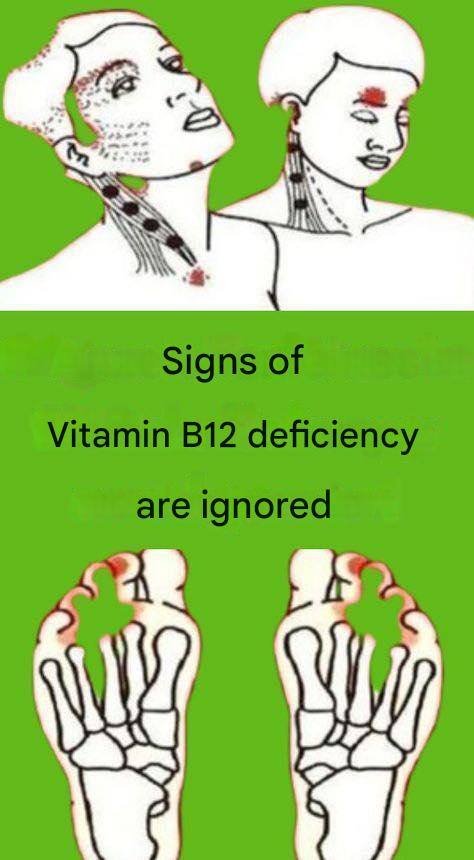
Signs of Vitamin B12 Deficiency Are Often Ignored
Vitamin B12 is an essential nutrient that helps keep your nerves and blood cells healthy. It also plays a key role in making DNA and supporting brain function. Unfortunately, many people ignore early symptoms of vitamin B12 deficiency because they can appear mild or similar to everyday fatigue. Over time, however, a lack of vitamin B12 can lead to serious health problems.
One disease strongly linked to low B12 levels is Vitamin B12 Deficiency, which can affect energy levels, nerve health, and blood production.
What Is Vitamin B12?
Vitamin B12 (also called cobalamin) is a water-soluble vitamin found mainly in animal products such as meat, fish, eggs, and dairy. The body uses it to produce red blood cells and maintain a healthy nervous system.
When the body does not get enough vitamin B12, it can lead to a condition called Pernicious Anemia, a type of anemia caused by poor absorption of B12.
Common Signs of Vitamin B12 Deficiency
1. Constant Fatigue and Weakness
One of the earliest symptoms is persistent tiredness. When the body lacks vitamin B12, it cannot produce enough healthy red blood cells, which carry oxygen throughout the body. This may lead to weakness and low energy levels.
2. Pale or Yellowish Skin
People with vitamin B12 deficiency may notice pale skin or a slightly yellow tint. This happens because red blood cells break down more easily when B12 levels are low.
3. Tingling or Numbness
Vitamin B12 is essential for nerve health. Low levels may damage nerves and cause tingling or numbness in the hands and feet. This nerve damage is associated with problems in the protective covering of nerves called myelin.
4. Memory Problems and Difficulty Concentrating
B12 deficiency can affect brain function and may lead to memory issues, confusion, or difficulty focusing. In severe cases, it may contribute to conditions like Dementia.
5. Mood Changes and Depression
Low levels of vitamin B12 can affect the production of brain chemicals that regulate mood. This may increase the risk of mood disorders such as Depression.
6. Mouth Ulcers and Tongue Pain
Some people develop a swollen or inflamed tongue, a condition known as Glossitis. Mouth ulcers and a burning sensation in the tongue can also occur.
7. Shortness of Breath and Dizziness
When red blood cell production is affected, the body may struggle to transport oxygen effectively. This can lead to dizziness or shortness of breath, especially during physical activity.
Who Is Most at Risk?
Certain groups are more likely to develop vitamin B12 deficiency:
- Older adults
- Vegetarians and vegans
- People with digestive disorders
- Individuals who have had stomach surgery
- People taking long-term acid-reducing medications
Conditions such as Crohn’s Disease can also interfere with vitamin B12 absorption.
How to Prevent Vitamin B12 Deficiency
You can maintain healthy B12 levels by including B12-rich foods in your diet, such as:
- Meat and poultry
- Fish and seafood
- Eggs
- Milk and dairy products
- Fortified cereals
If diet alone is not enough, doctors may recommend supplements or B12 injections.
When to See a Doctor
If you experience persistent fatigue, tingling in the hands or feet, or memory problems, it is important to consult a healthcare professional. A simple blood test can determine whether you have vitamin B12 deficiency and help guide treatment.
Conclusion
Vitamin B12 deficiency is a common yet often overlooked health issue. Because the symptoms can develop slowly, many people ignore the warning signs until the condition becomes severe. Recognizing the early symptoms and maintaining a balanced diet can help prevent complications and support overall health.
If you’d like, I can also write a longer SEO blog version (1,200–1,500 words) that ranks better on Google.
