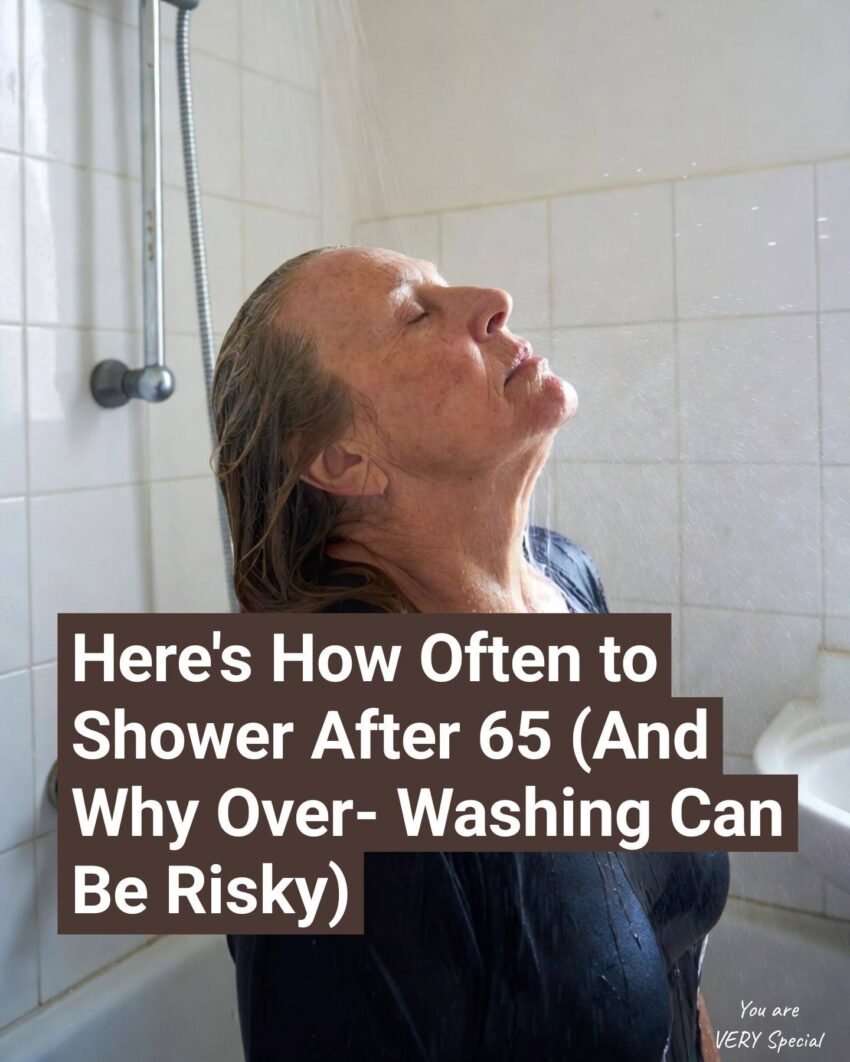
As people age, skin and body physiology change significantly. Because of these changes, many dermatologists suggest that daily showers may not always be necessary after age 65, and excessive washing can sometimes harm skin health.
Below is a comprehensive explanation of how often older adults should shower and why over-washing can be harmful.
How Often Should You Shower After Age 65?
Most dermatologists recommend:
2–3 showers per week for many adults over 65, unless there is heavy sweating, physical activity, or medical reasons that require more frequent bathing.
Daily hygiene should still include:
- Washing the face
- Cleaning the armpits
- Cleaning the genital area
- Washing hands and feet
This approach maintains hygiene while protecting aging skin.
Why Skin Changes After Age 65
Aging skin becomes more delicate due to several biological changes.
1. Reduced Oil Production
The skin produces less sebum, the natural oil that keeps skin moisturized and protected.
Less oil means:
- skin dries out faster
- protective barriers weaken
- irritation occurs more easily
Frequent hot showers remove these oils even more.
2. Thinner Skin Barrier
The outer layer of skin (stratum corneum) becomes thinner with age.
This causes:
- increased sensitivity
- easier tearing
- slower healing
Over-washing accelerates this damage.
3. Reduced Sweat Glands
Older adults sweat less, meaning:
- they usually do not need daily full-body washing
- odor develops more slowly
4. Decline in Skin Microbiome
Healthy bacteria live on the skin and help protect it.
Frequent washing with strong soaps can:
- disrupt this microbiome
- increase risk of infections and irritation
Why Over-Washing Can Be Harmful
1. Severe Dry Skin (Xerosis)
Excess washing removes natural oils.
This can lead to:
- cracking skin
- itching
- flaking
- inflammation
Dry skin is extremely common in older adults.
2. Increased Infection Risk
When skin cracks, bacteria can enter more easily.
This may lead to:
- cellulitis
- fungal infections
- skin ulcers in vulnerable individuals
3. Worsening of Skin Conditions
Frequent bathing can worsen:
- eczema
- psoriasis
- dermatitis
4. Higher Risk of Falls
Long hot showers can cause:
- dizziness
- blood pressure drops
This increases fall risk, which is a major concern in older adults.
Best Showering Practices for People Over 65
1. Use Warm, Not Hot Water
Hot water strips protective oils.
Best temperature:
lukewarm water
2. Keep Showers Short
Recommended duration:
5–10 minutes
3. Use Gentle Soap
Choose:
- fragrance-free cleansers
- moisturizing body washes
- mild soaps
Avoid antibacterial soaps unless medically required.
4. Moisturize Immediately
Apply moisturizer within 3 minutes after showering.
This locks moisture into the skin.
5. Focus on Key Areas
Soap is mainly needed for:
- armpits
- groin
- feet
- skin folds
The rest of the body often only needs water.
Situations Where Daily Showering May Be Needed
Some older adults should still bathe daily, including those who:
- exercise regularly
- sweat heavily
- live in very hot climates
- have certain medical conditions
- require wound care
Signs You May Be Showering Too Often
Watch for:
- itchy skin
- redness
- scaling
- tight feeling after bathing
- cracked skin
If these appear, reducing shower frequency may help.
Hygiene Tips Between Showers
To stay fresh without over-washing:
- use a damp washcloth for key areas
- change underwear daily
- keep feet clean and dry
- maintain oral hygiene
- wash hands regularly
Key Takeaway
After age 65, skin becomes thinner, drier, and more sensitive. Because of this:
Showering about 2–3 times per week is often sufficient, while cleaning key areas daily maintains hygiene.
Over-washing can strip protective oils, disrupt skin bacteria, and increase dryness, irritation, and infection risk.
If you’d like, I can also explain 5 daily habits after age 60 that secretly damage your skin and health (many people do them without realizing it).
