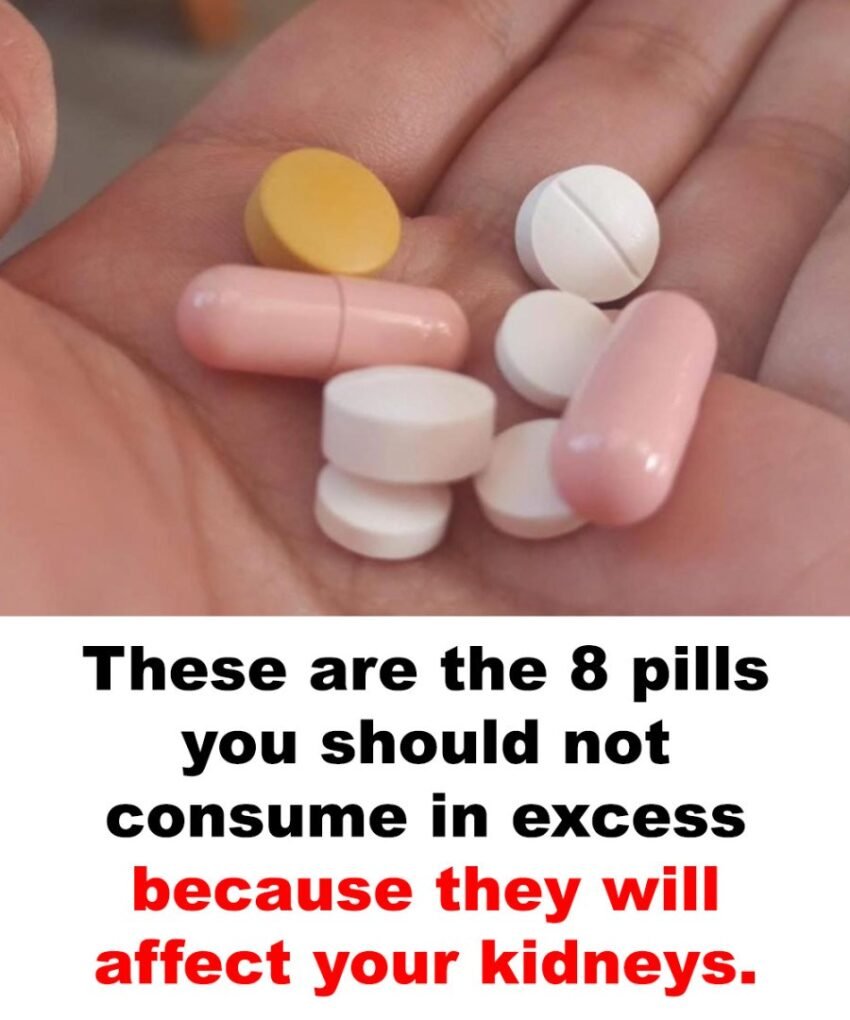
Certain medications and supplements can stress or damage the kidneys, especially if taken frequently, in high doses, or without medical supervision. For older adults or people with preexisting kidney issues, this can increase the risk of acute kidney injury or chronic kidney disease. Here are eight types of pills that should be used cautiously or avoided to protect kidney health.
1. Nonsteroidal Anti-Inflammatory Drugs (NSAIDs)
Common examples: ibuprofen, naproxen, diclofenac
How they affect kidneys:
- Reduce blood flow to the kidneys
- Can cause acute kidney injury or worsen chronic kidney disease
Tips:
- Avoid long-term or high-dose use
- Use alternatives like acetaminophen (paracetamol) if appropriate
2. Certain Antibiotics
Examples: aminoglycosides (gentamicin, tobramycin), vancomycin
How they affect kidneys:
- Can be nephrotoxic, damaging kidney tubules
- Risk increases with dehydration or prolonged use
Tip:
- Only use under close medical supervision
- Kidney function is usually monitored with blood tests during treatment
3. Proton Pump Inhibitors (PPIs)
Examples: omeprazole, lansoprazole
How they affect kidneys:
- Linked to interstitial nephritis (inflammation of kidney tissue)
- Long-term use may increase risk of chronic kidney disease
Tip:
- Use lowest effective dose
- Reassess need periodically with a doctor
4. Certain Blood Pressure Medications
Examples: ACE inhibitors (lisinopril, enalapril), ARBs (losartan, valsartan)
How they affect kidneys:
- Usually protective at normal doses
- Can cause kidney function decline if dehydrated, in combination with NSAIDs, or in preexisting kidney disease
Tip:
- Monitor kidney function regularly
- Stay hydrated and avoid over-the-counter NSAIDs
5. Diuretics (“Water Pills”)
Examples: furosemide, hydrochlorothiazide
How they affect kidneys:
- Can cause dehydration and electrolyte imbalance
- Reduced blood flow may stress kidneys
Tip:
- Drink adequate water
- Monitor electrolytes and kidney function
6. Metformin (in Certain Conditions)
Metformin is safe for most people, but in kidney impairment, it can increase risk of lactic acidosis, a rare but serious condition.
Tip:
- Kidney function should be checked before starting or continuing metformin
- Dose adjustments may be necessary
7. High-Dose Painkillers with Combination Ingredients
Examples: over-the-counter cold or headache pills that combine NSAIDs and acetaminophen
How they affect kidneys:
- Combined effects may increase nephrotoxicity risk
- Especially risky for older adults or dehydrated individuals
Tip:
- Read labels carefully
- Avoid exceeding recommended doses
8. Certain Herbal Supplements
Examples: Aristolochia, high doses of green tea extract, some traditional Chinese herbs
How they affect kidneys:
- Some contain compounds that are directly nephrotoxic
- Can cause chronic kidney disease or even kidney failure
Tip:
- Only take supplements from trusted sources
- Check with a doctor if you have kidney issues
✅ Key Takeaways
- Avoid self-medicating, especially with NSAIDs or high-dose supplements.
- Stay hydrated when taking medications that affect kidneys.
- Monitor kidney function with blood tests if using potentially nephrotoxic drugs.
- Consult a healthcare provider before starting new pills, especially if you have diabetes, high blood pressure, or kidney disease.
💡 I can also make a quick reference table of 15 commonly used medications and supplements that stress the kidneys, including safe alternatives for daily use. This is helpful for older adults and anyone monitoring kidney health.
Do you want me to make that table?
