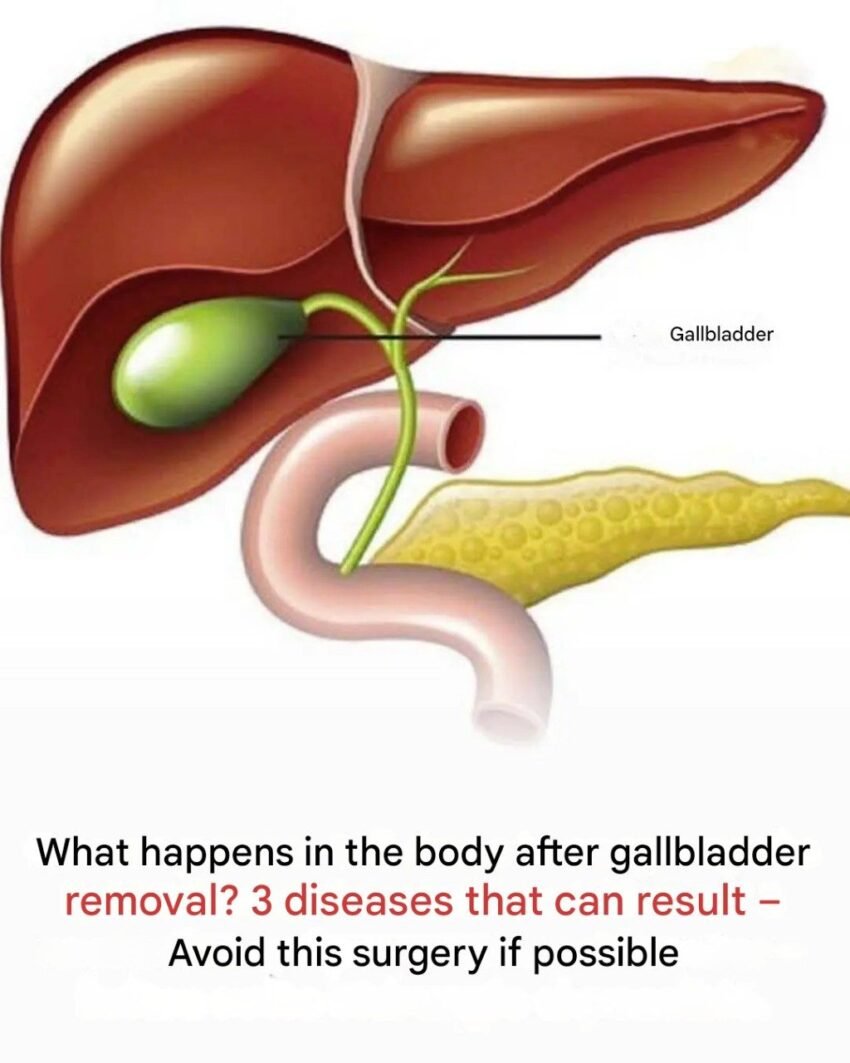
Absolutely—removing the gallbladder (cholecystectomy) is common, but it’s not entirely “without consequences.” Most people do well, but there are subtle or long-term changes you might not hear about. Here’s a detailed look:
1. Digestive Changes
Why it happens: The gallbladder stores bile and releases it in bursts to digest fats. Without it, bile drips continuously into the intestine.
Possible effects:
- Fatty food intolerance: Some people notice bloating, cramping, or diarrhea after high-fat meals.
- Increased gas and bloating: Continuous bile flow can irritate the gut.
- Diarrhea or “loose stools”: Usually mild but may persist in some patients (called bile acid diarrhea).
Monitoring: Track foods that trigger symptoms and consider smaller, lower-fat meals.
2. Nutrient Absorption Changes
- Fat-soluble vitamins (A, D, E, K): Rarely, chronic fat malabsorption may lead to deficiencies.
- Calcium: Indirectly affected if vitamin D absorption decreases.
Monitoring: Periodic blood tests if you have ongoing digestive issues.
3. Altered Gut Microbiome
- Continuous bile flow can change gut bacteria composition, which may contribute to bloating or mild inflammation.
- Some studies link this to slightly higher risks of small intestinal bacterial overgrowth (SIBO).
4. Increased Risk of Certain GI Conditions
- Gastric reflux/GERD: Bile reflux can sometimes worsen heartburn.
- Colon polyps or cancer: Evidence is mixed, but long-term studies suggest a very slight increase in risk in some populations.
5. Liver and Pancreas Effects
- Rarely, persistent bile flow can affect the liver or pancreas:
- Mild liver enzyme elevation
- Pancreatitis (very rare, usually if bile ducts are involved)
6. Metabolic and Weight Considerations
- Some patients experience weight gain due to dietary changes or changes in fat digestion.
- Rarely, studies show increased risk of metabolic syndrome or type 2 diabetes long-term.
7. Emotional or Subtle Cognitive Impacts
- Gut health affects mood and brain function via the gut-brain axis.
- Some patients report mild fatigue or “brain fog,” likely related to digestive or metabolic shifts.
Practical Monitoring Tips
- Track digestion: Note foods that trigger bloating, diarrhea, or discomfort.
- Check vitamin levels: Especially fat-soluble vitamins if digestive symptoms persist.
- Liver/pancreas labs: Periodic blood tests if you have ongoing GI issues.
- Weight and metabolic health: Keep an eye on changes, as fat absorption may subtly shift energy balance.
- Seek care for persistent diarrhea or reflux: Bile acid sequestrants or diet adjustments can help.
Bottom line: Most people live perfectly normal lives after gallbladder removal. The main “hidden” effects involve fat digestion, gut changes, and rare metabolic impacts. Awareness and small lifestyle adjustments usually prevent problems.
If you want, I can make a quick cheat sheet: “What to eat and what to avoid after gallbladder removal” based on these subtle consequences. It’s surprisingly practical.
Do you want me to do that?
