If Your Nails Look Like This, It’s Time for a Check-Up
Your nails can reveal a lot about your overall health. Changes in color, shape, or texture may sometimes signal underlying health issues. While occasional nail damage from daily activities is normal, persistent problems—like splitting nails—may indicate that your body needs attention. If you notice unusual nail changes that do not improve, it may be time to schedule a medical check-up. 💅🩺
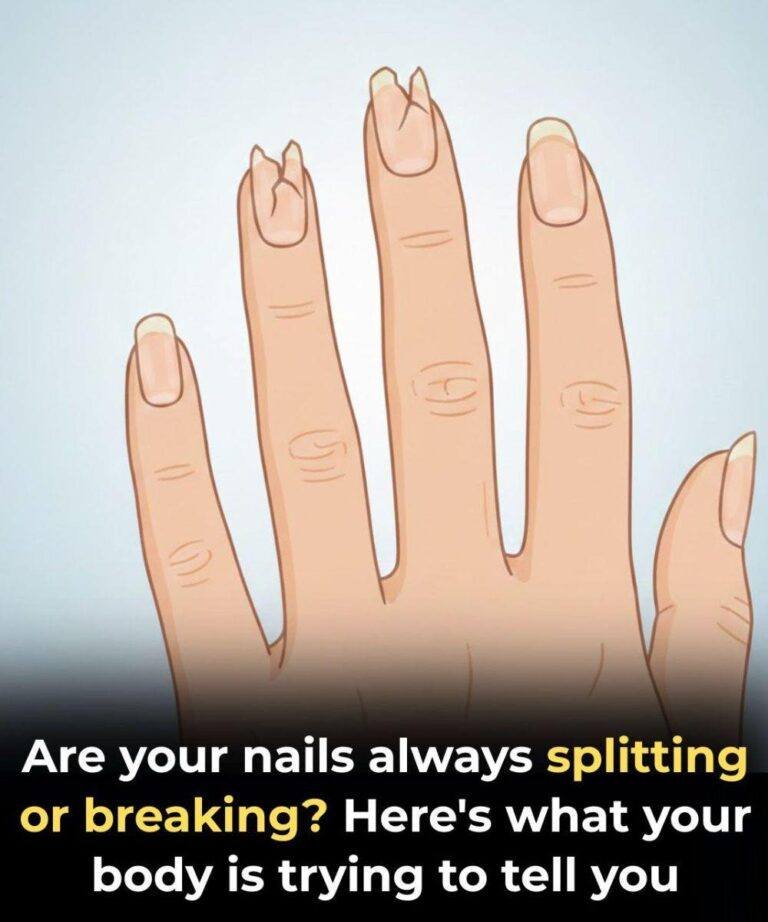
1. Splitting or Peeling Nails
Nails that split, peel, or separate into layers (a condition often called brittle nails) can be caused by frequent exposure to water, harsh chemicals, or nail products. However, persistent splitting may also be linked to:
- Nutritional deficiencies, especially low iron or biotin
- Dehydration
- Thyroid problems
- Aging
If your nails constantly split even with proper care, a doctor may recommend checking your diet or running basic blood tests.
2. Pale or White Nails
Very pale or white nails may sometimes indicate conditions such as:
- Anemia
- Liver disease
- Malnutrition
- Heart problems
If the nail beds lose their natural pink tone and stay pale for a long time, it’s a good idea to seek medical advice.
3. Yellow Nails
Yellowing nails can occur due to nail polish staining, but in some cases they may signal:
- Fungal infections
- Respiratory conditions
- Diabetes
- A rare condition called yellow nail syndrome
If the nails become thick, slow-growing, and yellow, a healthcare professional should evaluate them.
4. Dark Lines or Spots
Dark streaks or spots under the nail may sometimes appear after injury. However, if a dark line appears without any known trauma and keeps growing, it could be a warning sign of a serious condition such as skin cancer under the nail. This should be checked by a doctor as soon as possible.
5. Spoon-Shaped Nails
When nails become thin and curve upward like a spoon, it may indicate iron-deficiency anemia or other medical conditions. Doctors often recommend blood tests to identify the cause.
6. Clubbing (Rounded, Bulging Nails)
Clubbing occurs when the fingertips enlarge and the nails curve around them. This condition may develop slowly and can sometimes be linked to:
- Lung disease
- Heart disease
- Liver disorders
If you notice this change, it is important to consult a healthcare professional.
7. Ridges and Pitting
Vertical ridges in nails are often harmless and may appear with aging. However, deep ridges, dents, or pitting may be related to conditions such as psoriasis, eczema, or autoimmune disorders.
When Should You See a Doctor?
You should consider a medical check-up if you notice:
- Persistent splitting or peeling nails
- Sudden color changes
- Thickening or unusual nail shapes
- Pain, swelling, or infection around the nail
- Dark lines that appear without injury
Early evaluation can help identify underlying health problems and allow timely treatment.
Simple Tips for Healthier Nails
You can improve nail health by:
- Eating a balanced diet rich in protein, iron, zinc, and vitamins
- Keeping nails clean and moisturized
- Limiting exposure to harsh chemicals
- Wearing gloves when doing household chores
- Avoiding excessive nail biting or picking
Final Thoughts
Your nails are more than just a cosmetic feature—they can act as a window into your health. While many nail changes are harmless, persistent problems like splitting nails, unusual discoloration, or abnormal shapes should not be ignored. Paying attention to these signs and seeking medical advice when necessary can help you maintain both healthy nails and overall well-being. ✨
If you want, I can also help you turn this into a blog post, SEO article, or 800–1000 word version.
