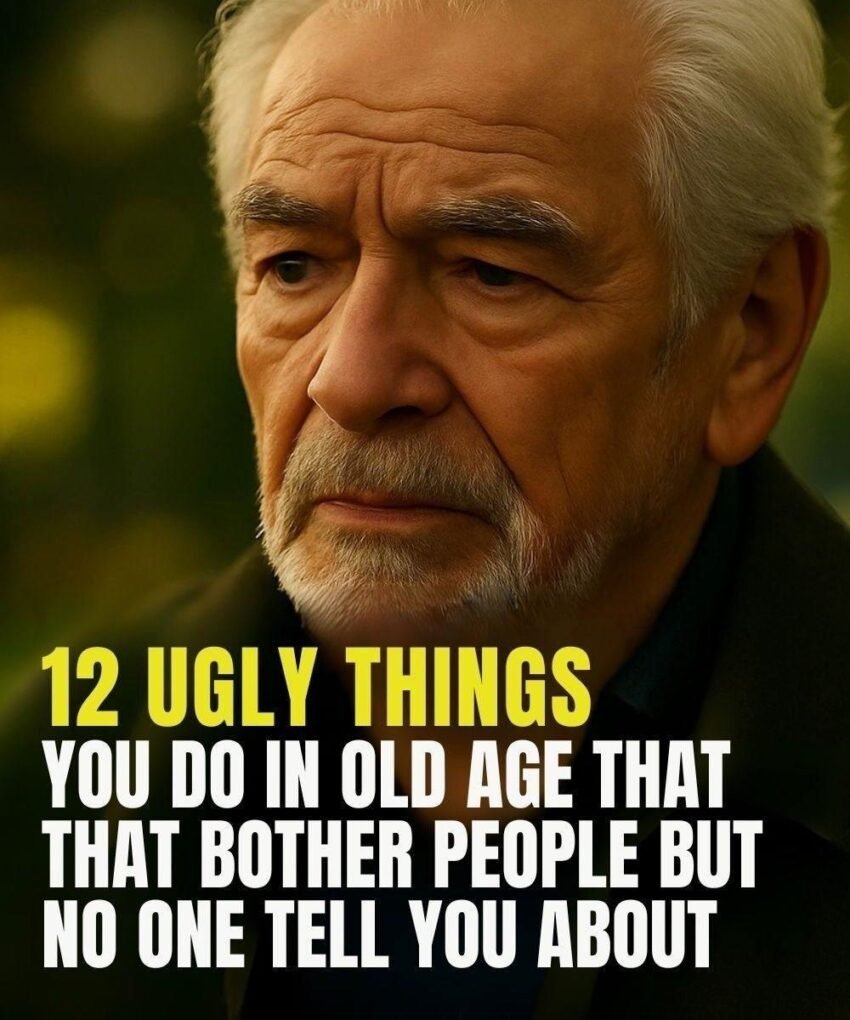
As we age, our bodies and minds go through changes that can be both challenging and surprising. While many of us are aware of the typical signs of aging—wrinkles, gray hair, and slower metabolism—there are also less-discussed habits and behaviors that can accompany the aging process. These are the “ugly habits” that often bother both the person aging and the people around them, but no one really talks about. Here are 12 common but uncomfortable habits of old age that can cause frustration and embarrassment.
1. Forgetfulness and Memory Lapses
As we age, it’s not uncommon for our memory to start slipping. Forgetting someone’s name, misplacing keys, or struggling to recall details from conversations can be frustrating. For some, it may even be more serious, leading to anxiety about cognitive decline.
- Why it happens: The brain naturally slows down with age, affecting memory, attention span, and recall speed. Conditions like Alzheimer’s or other forms of dementia can also accelerate memory loss.
- What to do about it: Keeping mentally active with puzzles, reading, or learning new skills can help, as can staying physically active to promote overall brain health.
2. Increased Sensitivity to Heat and Cold
Old age can lead to a diminished ability to regulate body temperature. Seniors often feel much colder than they used to, or conversely, can struggle with feeling too hot.
- Why it happens: Reduced circulation, thinning skin, and changes in the body’s thermostat can make it harder to maintain a stable internal temperature.
- What to do about it: Dressing in layers, using blankets, or adjusting the thermostat to a comfortable temperature are simple solutions.
3. Frequent Bathroom Trips
One of the most uncomfortable habits of aging is the frequent need to use the bathroom. It becomes more common for older adults to need to use the restroom more often, sometimes leading to accidents or feeling embarrassed.
- Why it happens: The bladder weakens with age, and hormones or medications can also contribute. Conditions like prostate enlargement in men and weakened pelvic muscles in women are common culprits.
- What to do about it: Staying hydrated is important, but try to limit caffeine and alcohol, which can irritate the bladder. Kegel exercises and pelvic floor therapy can also help.
4. Slower Movements and Stiffness
As joints and muscles lose elasticity, older adults often experience slower movements and a general feeling of stiffness, especially after periods of inactivity.
- Why it happens: The cartilage in joints breaks down with age, and muscle mass naturally decreases over time.
- What to do about it: Regular stretching, light aerobic exercise, and strength training can help improve flexibility and mobility. Joint supplements like glucosamine may offer relief.
5. Changes in Sleep Patterns
Getting a good night’s sleep becomes increasingly difficult as people age. Many elderly individuals experience problems such as waking up too early, difficulty falling asleep, or feeling unrested after sleeping.
- Why it happens: The body’s internal clock shifts with age, and hormonal changes can also affect sleep. Medical conditions and medications can further disrupt sleep patterns.
- What to do about it: Creating a regular sleep schedule, limiting caffeine intake, and trying relaxation techniques can improve sleep quality.
6. Hearing Loss and Asking People to Repeat Themselves
Hearing loss is one of the most common complaints among the elderly. It often manifests as difficulty understanding conversations, especially in noisy environments.
- Why it happens: Age-related hearing loss (presbycusis) is due to the natural degeneration of the auditory system. Long-term exposure to loud sounds can accelerate this process.
- What to do about it: Hearing aids or other assistive devices can help. It’s also important to protect your ears from further damage by avoiding loud noises.
7. Unintentionally Loud Speech
Some older adults speak more loudly than they realize, which can be embarrassing for both them and those around them. This is often due to changes in hearing, voice control, or simply not realizing how loud they are speaking.
- Why it happens: Aging affects the vocal cords, and seniors may struggle to hear their own volume. This can lead to unintentionally loud speech, especially in quiet settings.
- What to do about it: Being mindful of volume and practicing soft-spoken communication can help. Additionally, speech therapy may assist in improving vocal control.
8. Dry Skin and Itching
As the skin loses moisture and elasticity with age, dry, flaky skin becomes a common complaint. The itching and irritation that come with it can make older adults self-conscious.
- Why it happens: Aging skin produces less oil and becomes thinner, leading to increased dryness.
- What to do about it: Use gentle, hydrating moisturizers, avoid hot showers, and stay hydrated. A humidifier can also help add moisture to the air.
9. Poor Posture and Rounded Back
With age, many people experience a hunched or rounded back, especially in the upper spine. This can lead to discomfort and a less confident posture.
- Why it happens: Muscles and bones weaken with age, and osteoporosis (bone loss) can cause the spine to curve.
- What to do about it: Practicing good posture, doing strength-building exercises, and seeking physical therapy can help improve posture and alleviate pain.
10. Unwanted Weight Gain or Loss
It’s common for older adults to experience weight changes, whether it’s gaining weight due to a slower metabolism or losing weight due to muscle loss or appetite changes.
- Why it happens: Metabolism slows with age, and some medical conditions or medications can contribute to weight loss or gain. Additionally, reduced physical activity can lead to muscle loss and fat accumulation.
- What to do about it: Eating a balanced diet with nutrient-dense foods and engaging in regular physical activity can help manage weight.
11. Reduced Social Interaction and Isolation
As people age, they may find it harder to maintain social connections, leading to feelings of loneliness and isolation.
- Why it happens: Retiring from work, losing a spouse or friends, and declining health can all contribute to decreased social interaction.
- What to do about it: Staying involved in community activities, taking part in online groups, and seeking support from loved ones can combat isolation.
12. Complaints About Minor Health Issues
Older adults may frequently complain about small health issues, even if they are minor. These complaints, while valid, can sometimes seem excessive to others.
- Why it happens: As we age, the body undergoes more frequent aches, pains, and discomforts. These changes can be frustrating, especially when they feel like a regular part of daily life.
- What to do about it: While regular health checkups are important, staying mentally and physically active can help reduce the frequency and severity of minor issues.
Conclusion
While these “ugly habits” of old age may be bothersome, it’s important to remember that they are part of the natural aging process. Accepting these changes and taking proactive steps to manage them can help make the later years of life more comfortable and enjoyable. Regular physical activity, a balanced diet, mental stimulation, and staying socially active are all key factors in promoting healthy aging and minimizing the impact of these habits. And, most importantly, it’s essential to approach aging with compassion and humor.
