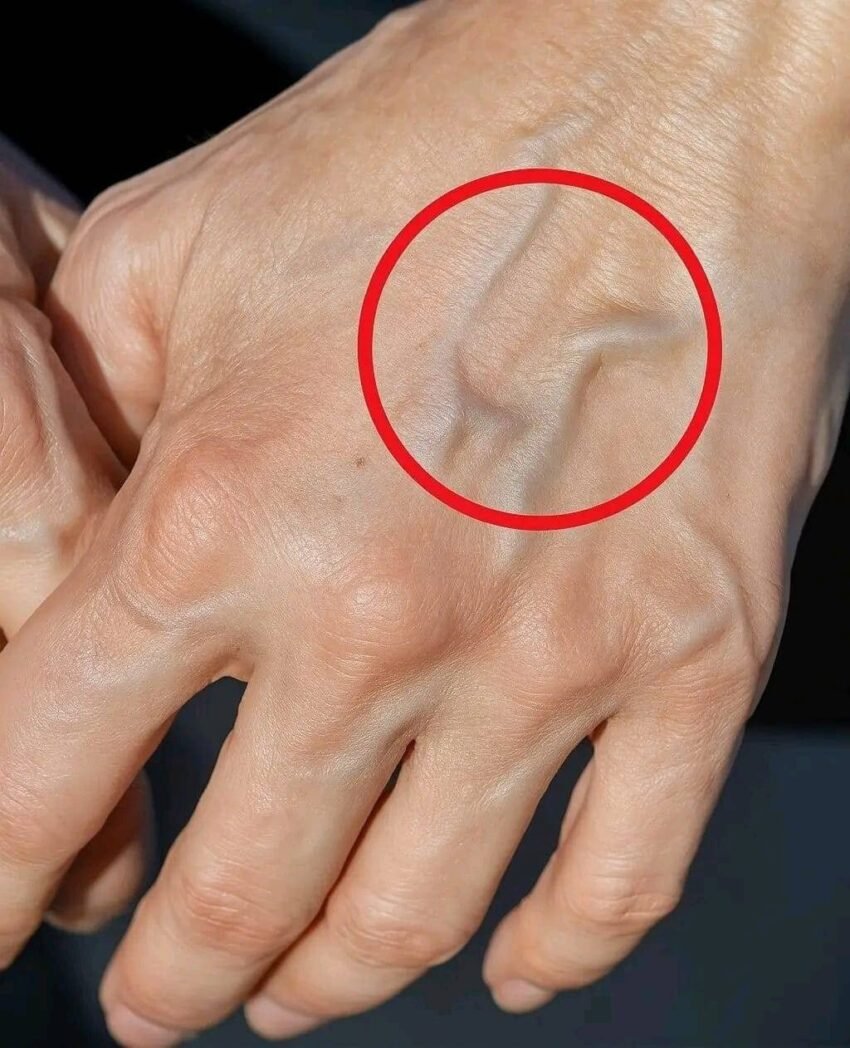
Visible veins, especially in certain areas like the arms, legs, or hands, are a pretty common sight and don’t always indicate a health problem. They can be influenced by a variety of factors. Here are some possibilities:
1. Low Body Fat:
- More Definition: If you’re lean or have a low body fat percentage, your veins can appear more visible because there’s less fat covering them. Athletes, especially bodybuilders, often experience this effect.
2. Increased Muscle Mass:
- Muscle Pump: If you’re someone who exercises regularly, especially strength training, your muscles may push veins closer to the surface of your skin, making them more visible.
3. Age:
- Skin Thinness: As we age, our skin naturally becomes thinner and less elastic, causing veins to stand out more.
4. Genetics:
- Inherited Traits: Some people are simply genetically predisposed to have more visible veins. It can run in families.
5. Temperature Changes:
- Vasodilation: When you’re hot, your body works to cool itself down by widening (dilating) blood vessels, which can make veins more prominent.
6. Varicose Veins:
- Bulging and Twisting: If your veins are not only visible but also bulging, twisting, or feeling painful, it could be a sign of varicose veins, which are more common in older individuals or those with poor circulation.
7. Hydration and Blood Flow:
- Blood Flow: If you’re hydrated and your blood is circulating well, veins can look more prominent. Exercise, especially cardio, increases blood flow to the muscles and makes veins stand out temporarily.
If your veins are just visible but don’t hurt or feel tender, it’s likely a normal thing. However, if you notice symptoms like pain, swelling, or heaviness in your legs, it’s a good idea to talk to a healthcare provider to rule out any circulation issues.
